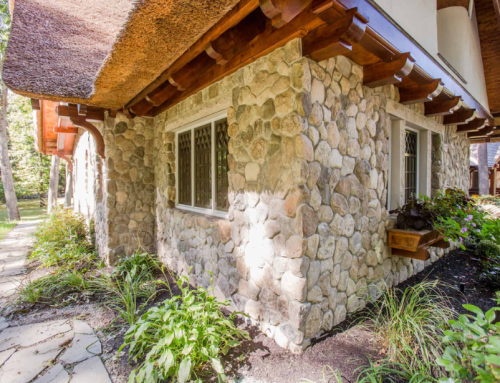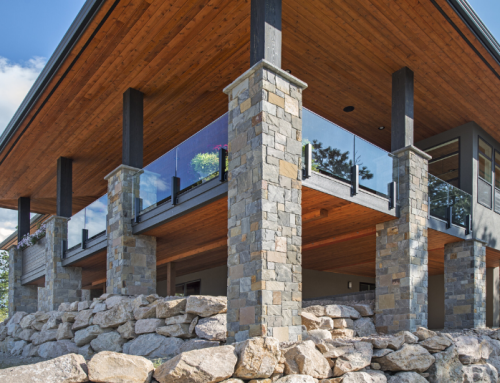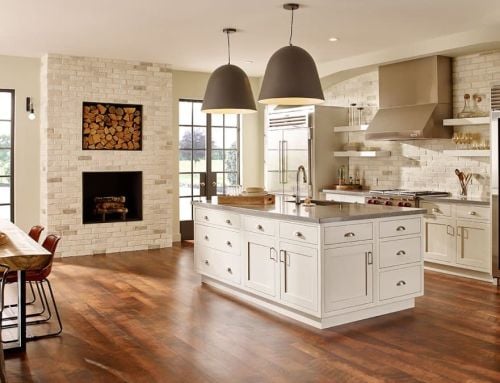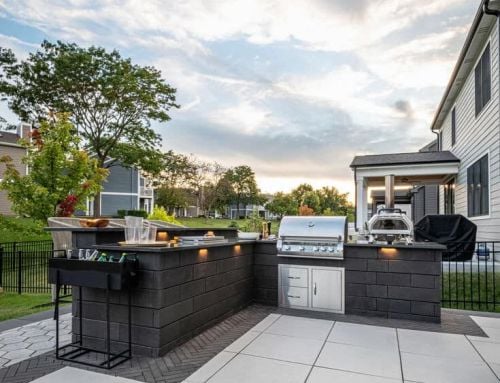
Thin masonry veneer is a popular choice for homeowners and contractors who want the look of real stone without the heavy structure. This material provides the natural beauty of traditional masonry while reducing weight, cost, and installation time. Whether you are working on an exterior wall, fireplaces, or a full outdoor project, thin masonry veneer offers flexibility and performance that fits many designs.
Also referred to as adhered masonry veneer, this material is installed directly onto a surface using mortar. Unlike a full bed stone, it does not carry a structural load. Instead, it acts as a decorative and protective layer. This makes it ideal for both interior and exterior applications where you want the look of natural stone or brick without the added thickness.
What Is Thin Masonry Veneer
Thin masonry veneer is a lightweight material made from natural stone, thin brick, or manufactured products. These pieces are cut or formed to a smaller thickness, usually between 0.75 and 2 inches. Because of this reduced thickness, the veneer can be installed on walls without needing extra structural support.
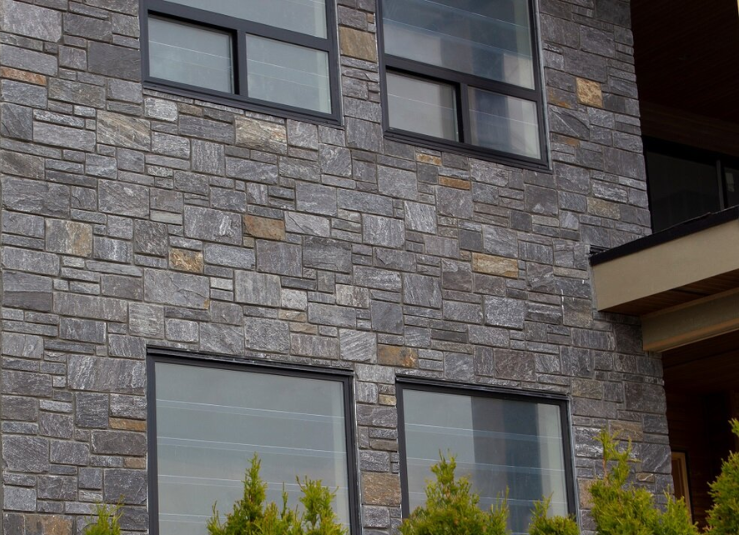
This type of stone veneer is designed to replicate the look of full bed masonry. It delivers the same texture, color, and edge detail as real stone while being easier to handle. Many products come with corner pieces, which help create a finished look around edges and corners without exposing cuts.
What Are The Types of Thin Masonry Veneer
Thin masonry veneer comes in three main types: natural stone veneer, manufactured stone veneer, and thin brick veneer. Each option offers a different combination of appearance, cost, and performance depending on your project needs.
Natural Stone Veneer
Natural stone veneer is cut from real stone sourced from quarries. Each piece has unique colors, texture, and natural variation. This option offers unmatched beauty and durability, making it a top choice for high-end projects.
Manufactured Stone Veneer
Manufactured stone veneer is made from concrete and molded to resemble natural stone. It offers consistent shapes and colors, and it is often more budget-friendly. It is also lightweight and easy to install.
Thin Brick Veneer
Thin brick veneer is created by cutting real brick into thinner pieces. It works well for both modern and classic designs. This material is often used for interior walls, fireplaces, and exterior accents.
Where Thin Masonry Veneer Is Used
It works well in many types of projects. It is commonly used for both residential and commercial applications where design and durability matter.
You can use this material for exterior siding, interior feature walls, fireplaces, and outdoor living spaces. It is also popular for columns, retaining walls, and kitchen areas where a natural look is desired.
Common Applications
- Exterior wall cladding
- Interior accent walls
- Fireplaces and chimneys
- Outdoor kitchens and seating areas
- Entryways and columns
What Are The Benefits of Thin Masonry Veneer
Masonry veneer offers several advantages compared to full bed stone. Its lightweight design reduces structural demands while still providing strength and durability. This makes it easier to transport, cut, and install on-site.
It also provides flexibility in design. You can achieve a wide variety of looks by combining different colors, textures, and stone types. This allows homeowners and designers to create a custom finish that matches their vision.
Comparison Table
| Feature | Thin Masonry Veneer | Full Bed Stone |
| Weight | Lightweight | Heavy |
| Thickness | Thin | Thick |
| Installation | Faster | Slower |
| Cost | Lower costs | Higher costs |
| Structure | Non-load-bearing | Load-bearing |
Thin Masonry Veneer vs. Full Stone
Thin masonry veneer and full bed stone differ in both structure and application. Full bed stone is thick and heavy, and it often requires additional support. It is considered structural masonry and can handle load-bearing applications.
Thin stone veneer, on the other hand, is adhered to a wall using mortar. It does not carry structural weight. Instead, it is used to achieve the look of real stone while reducing costs and simplifying the installation process. This makes it ideal for renovations or projects with limited structural capacity.
How to Choose the Right Thin Masonry Veneer
Choosing the right thin masonry veneer depends on your project goals, budget, and design preference. Some materials offer more natural beauty, while others provide better cost control and consistency. Understanding these differences helps you select a veneer that fits both your style and performance needs.
You should also consider where the veneer will be installed and how it will perform over time. Exterior projects require materials that handle moisture and temperature changes, while interior walls allow more flexibility. Matching color, texture, and stone type with your overall design will help achieve a clean and finished look.
Key Factors to Consider
- Natural stone vs manufactured veneer
- Interior or exterior application
- Climate and moisture exposure
- Color, texture, and design style
- Budget and cost per square foot
Installation Overview
The installation of thin masonry veneer involves preparing the surface, applying mortar, and placing each piece carefully for a secure fit. A proper installation process helps improve durability, moisture control, and long-term performance.
Basic Steps
The installation process starts with preparing the surface. A clean and stable wall is required before applying a moisture barrier and metal lath. Mortar is then applied, and the stone veneer pieces are carefully placed and adjusted.
Why Proper Installation Matters
Proper installation affects durability and performance. Poor installation can lead to moisture issues, cracking, or failure over time. A well-installed system allows for proper drying, drainage, and long-term strength. Research shows that polymer-modified mortar improves bond strength by allowing better penetration into the masonry surface. A 2023 study in Construction and Building Materials found that this type of mortar can achieve up to 12 times stronger bond performance than traditional Type S mortar. Stronger bonding helps reduce detachment risk and improves long-term durability in adhered veneer systems.
What Surfaces Can Thin Masonry Veneer Be Installed On
Thin masonry veneer can be installed on several types of surfaces, as long as they are properly prepared. A stable and clean base is required to support the adhered veneer system and allow proper bonding with mortar. The right surface preparation also helps control moisture and improve long-term durability.
Most installations require a moisture barrier, metal lath, and a scratch coat before placing the stone veneer. These layers help create a strong bond and allow for proper drying. Skipping these steps can affect performance and lead to issues over time.
Common Surface Types
- Concrete and masonry walls
- Cement board and backer board
- Brick surfaces (with proper preparation)
- Interior drywall (for dry, non-exposed areas)
Cost of Thin Masonry Veneer
The cost of thin masonry veneer depends on several factors, including the type of material and project size. Natural stone veneer typically costs more per square foot than manufactured options. Labor costs also vary depending on the complexity of the design and installation.
Shipping, production, and access to materials can also affect pricing. Projects that require custom cuts, corner pieces, or complex patterns may increase overall costs.
Cost Factors
- Material type (natural vs manufactured)
- Project size and square foot coverage
- Labor and installation complexity
- Shipping and site access
- Design details and finish
Durability and Maintenance of Thin Masonry Veneer
When installed correctly, this material offers strong durability and long-term performance. It can withstand high temperatures, making it suitable for fireplaces and exterior walls. Natural stone and brick veneers are known for their strength and ability to handle everyday wear.
Regular cleaning helps maintain its appearance and keeps the surface looking fresh. In some cases, sealing may be recommended to manage moisture and protect the finish. Proper joints and drainage systems also help prevent damage and support long-term performance.
What Are the Common Mistakes to Avoid with Thin Masonry Veneer?
Mistakes during thin masonry veneer installation can lead to long-term issues with durability, moisture, and overall performance. Understanding what to avoid helps you achieve a clean finish and a reliable result for your project.
Key Mistakes
- Ignoring moisture control during installation
- Choosing materials based only on look
- Skipping proper surface preparation
- Using incorrect mortar or installation methods
- Not accounting for weight and support
Avoiding these mistakes helps maintain performance and ensures a clean, finished result.
When Thin Masonry Veneer Is the Right Choice
Thin masonry veneer is ideal for projects where weight and flexibility are important. It works well for remodeling, interior upgrades, and exterior improvements where full bed stone is not practical.
It is also a strong choice when you want to achieve the look of natural stone without increasing structural load. Designers and contractors often choose this material for its balance of beauty, strength, and cost efficiency.
Conclusion
Thin masonry veneer offers a practical way to achieve the look of real stone without the weight and complexity of full-bed masonry. It combines natural beauty, durability, and flexibility, making it suitable for a wide range of projects. Whether you are upgrading a wall, building fireplaces, or creating an outdoor space, this material delivers both performance and style.
At Old Station Outdoor & Landscape Supply, we help you find the right stone veneer for your project. From natural stone to manufactured options, our team can guide you through material selection, design, and installation considerations. Contact us today or visit our location to explore high-quality veneer products and get expert advice for your next project.
FAQs
Can thin masonry veneer increase home value?
Yes, thin masonry veneer can increase home value by improving curb appeal and overall design quality. Many buyers view natural stone and brick finishes as premium features, which can make a property more attractive.
Do you need a foundation for thin masonry veneer?
No, thin masonry veneer does not require a structural foundation because it is not load-bearing. It is applied as an adhered veneer system, which reduces weight and allows installation on existing walls.
How thick is thin masonry veneer compared to full stone?
Thin masonry veneer is typically 0.75 to 2 inches thick, while full bed stone is often 3 to 5 inches thick or more. This reduced thickness makes the thin veneer lighter and easier to install.
Can thin masonry veneer be used in cold climates?
Yes, thin masonry veneer can perform well in cold climates when installed correctly. Proper moisture control, drainage, and freeze-thaw protection are important for long-term durability.