Artificial grass and synthetic turf are a smart investment for yards. They offer a low-maintenance alternative to natural grass. These products provide long-lasting durability and a realistic appearance. They eliminate the need for constant mowing, watering, and fertilizing. This makes them a cost-effective solution for homeowners, businesses, and sports facilities. Synthetic turf can withstand heavy foot traffic and environmental conditions. It creates a beautiful, functional outdoor space without the hassle of regular upkeep.
In addition to saving time and money on maintenance, artificial grass and synthetic turf also contribute to water conservation, reduce the use of pesticides, and remain green year-round. Whether you’re looking to transform your backyard into a vibrant, pet-friendly play area or enhance a commercial space with low-maintenance landscaping, Old Station Outdoor & Landscape Supply offers durable and environmentally friendly synthetic turf solutions that look great in any setting.
What Is Artificial Grass and Synthetic Turf?
Artificial grass and synthetic turf are engineered products designed to replicate real grass in both look and feel. While artificial grass is commonly used for residential lawns, synthetic turf is more often found in commercial and sports settings due to its ability to withstand heavy foot traffic and environmental conditions. Both products are made from durable fibers, including polyethylene and nylon, and are designed to offer a green lawn that requires minimal care.
The Difference Between Artificial Grass and Natural Grass
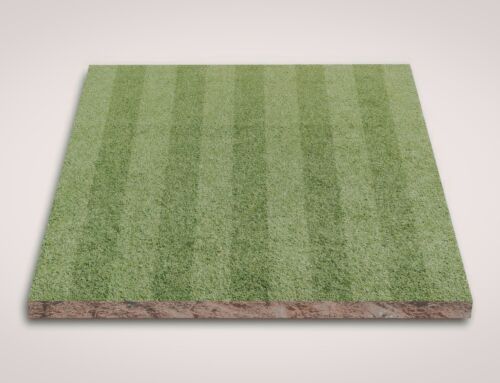
While natural grass can be a beautiful addition to any yard, it requires regular mowing, watering, and pesticides. In contrast, artificial grass eliminates the need for all these tasks. Plus, it stays green year-round, regardless of the weather or seasonal changes. Unlike real grass, which can get muddy during rain or snow, synthetic turf maintains its pristine look.
Benefits of Artificial Grass and Synthetic Turf
Choosing synthetic turf over natural grass offers quite a few advantages. This makes it a smart investment for both residential and commercial properties. Let’s dive into some of the key benefits.
Low Maintenance
One of the biggest appeals of artificial grass is the maintenance savings. With synthetic turf, there’s no need for watering, mowing, or fertilizing. This means no more wasted hours each week on yard upkeep. It’s also non-toxic, making it safe for pets, children, and the environment.
Durability and Longevity
Unlike real grass, which can wear down quickly from heavy use, synthetic turf is designed to withstand constant foot traffic. Whether you’re installing it in your backyard or a commercial space, synthetic turf will maintain its beauty for decades with minimal maintenance. It’s designed to endure mud, rain, and hot sun without fading or deteriorating.
Eco-Friendly
One of the most overlooked benefits of artificial grass is its environmental impact. Since it doesn’t need watering or pesticides, it conserves precious water resources and helps eliminate chemical runoff. Installing synthetic turf can also reduce your carbon footprint by cutting down on the need for lawn mowers and other gas-powered tools.
Year-Round Green Lawn
Another key advantage of artificial grass is that it stays vibrant year-round, even in the harshest conditions. It remains green despite changes in temperature or weather, meaning no more dead patches or brown spots during the winter. Whether it’s summer or winter, you can have a soft, green space all the time.
Applications of Artificial Grass and Synthetic Turf
Synthetic turf isn’t just for residential lawns. Its versatility makes it suitable for a wide range of applications, both inside and outside of the home. Here are a few ways you can incorporate it into your space.
Residential Yards
Artificial grass is a great choice for homeowners looking to reduce the time spent maintaining their lawn. Whether it’s for a backyard, front yard, or even a rooftop garden, synthetic turf creates a green, lush environment without the hassle of regular mowing or watering. Also, it’s great for families with pets or kids, offering a safe, durable surface for play.
Commercial Spaces
For businesses that want to make a great impression, artificial grass is an excellent landscaping option. It can enhance curb appeal and provide a welcoming environment for customers, without the need for constant upkeep. From office buildings to shopping centers, synthetic turf offers a cost-effective solution for creating beautiful outdoor spaces.
Sports Fields
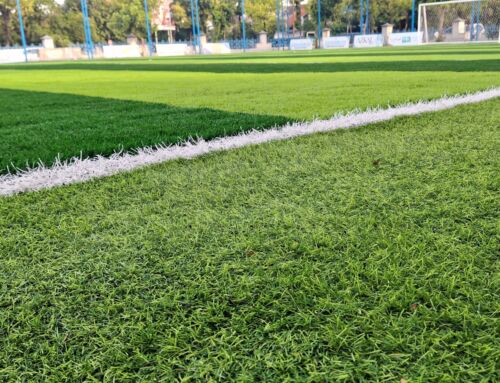
Many sports teams opt for synthetic turf because it can withstand high-impact games without becoming worn out. Whether it’s for soccer fields, football fields, or tennis courts, synthetic turf provides a durable surface that can handle intense use. It’s also easier to maintain than real grass, making it a top choice for high-traffic areas.
Playgrounds
Artificial grass is a family-friendly option for play areas. It’s soft and non-toxic, making it safer for kids to play on. Additionally, it’s low-maintenance, meaning parents don’t have to worry about constant repairs or the upkeep of real grass.
Installation Process for Artificial Grass and Synthetic Turf
While installing artificial grass may seem like a DIY project, professional installation ensures the best results. Here’s a breakdown of the general installation process.
Site Preparation
Before installation begins, the area must be prepared. This involves removing any existing grass, weeds, or debris. The ground is then leveled and compacted to provide a solid base for the synthetic turf.
Base Materials
A base layer is laid down to promote proper drainage. This material helps prevent water from collecting under the turf and causing damage. Gravel or crushed stone is typically used for the base.
Turf Installation
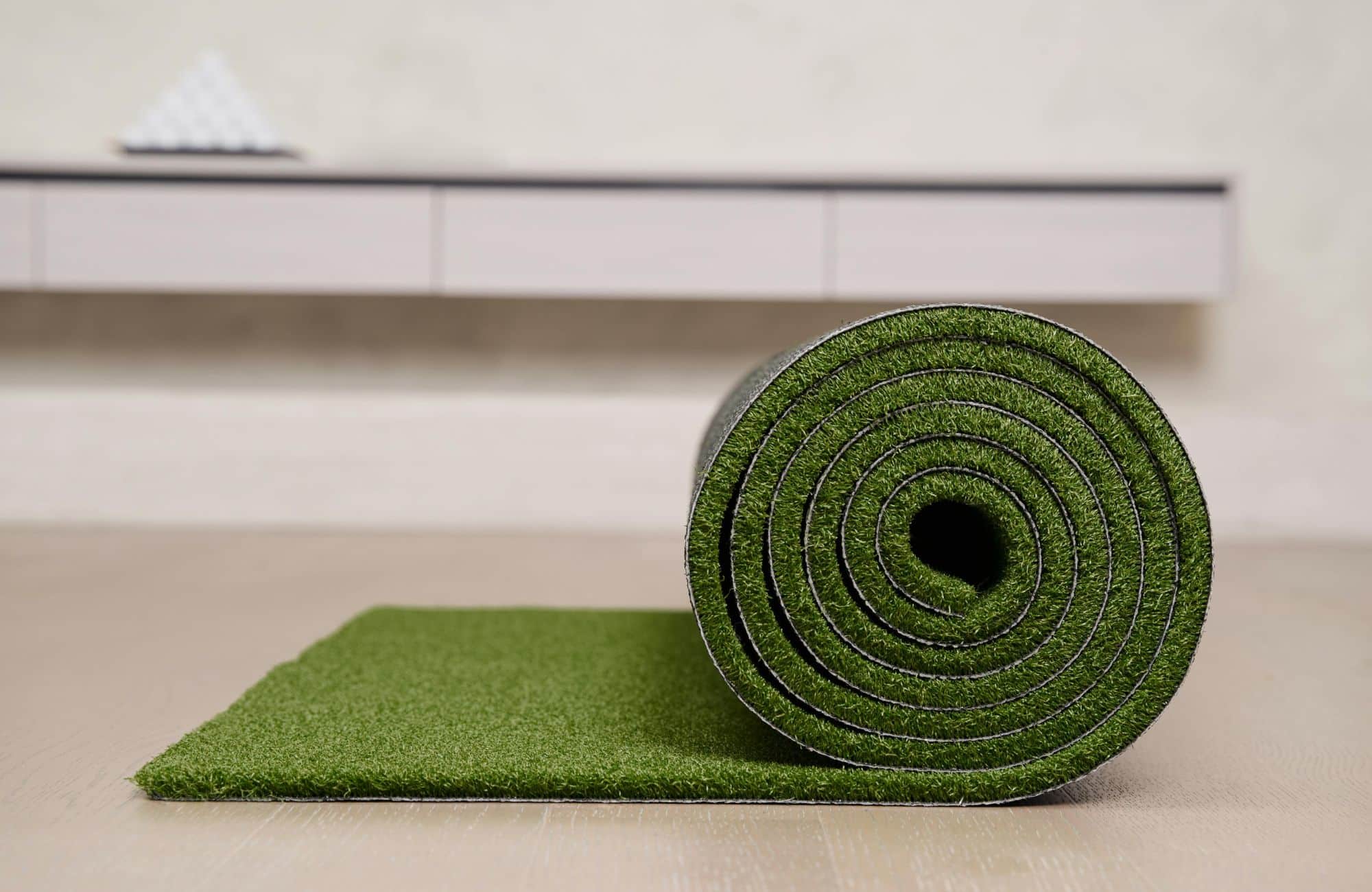
Once the base is ready, the synthetic turf is rolled out and laid over the surface. The turf is then secured using stakes, nails, or adhesive. Edges are trimmed to fit and secured properly.
Infill
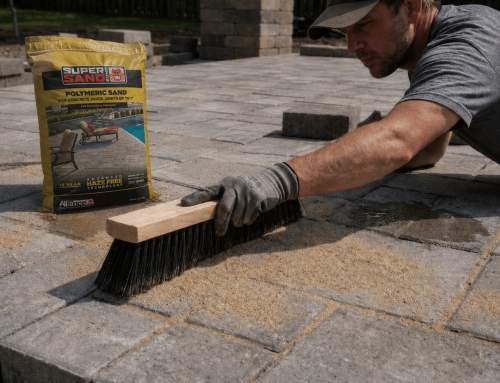
The final step in the installation process is adding infill to the turf. This material helps the blades of artificial grass stand upright and gives the surface a more realistic look and feel. Sand, rubber, or a combination of both is commonly used.
Common Issues with Artificial Grass and Synthetic Turf
While synthetic turf offers many benefits, it’s not without its challenges. Here are a few potential issues to be aware of.
Heat Retention
One common concern with artificial grass is that it can get hot under the sun. This is particularly noticeable during the summer months. However, newer synthetic turf products are designed with heat-reflective technologies to reduce temperature buildup.
Pet Waste
Although synthetic turf is pet-friendly, it’s important to clean up after pets promptly. Pet waste can lead to odor and stains if left untreated. Regular cleaning with water or specialized turf cleaners can help prevent this.
Wear and Tear
Although artificial grass is designed to be durable, heavy traffic and improper installation can cause it to wear out prematurely. It’s important to choose high-quality turf and have it installed by professionals to ensure long-term performance.
How to Choose the Right Artificial Grass or Synthetic Turf
Selecting the right synthetic turf can be tricky, but there are a few factors to consider when making your choice.
Intended Use
What will the turf be used for? Different types of synthetic turf are designed for different purposes. For instance, residential turf may prioritize softness, while sports turf is built for durability and performance.
Quality and Durability
Not all artificial grass is created equal. Look for high-quality materials that can withstand the wear and tear of daily use. Be sure to check for a guarantee to ensure you get a product that will last.
Aesthetic Appeal
Choose a turf that mimics real grass as closely as possible. Look for turf with realistic blade shapes and colors that match your desired aesthetic.
Professional Installation
While you may be tempted to install synthetic turf yourself, professional installation ensures the best results. Experts can ensure the turf is laid correctly, properly infilled, and securely fastened to prevent future issues.
Conclusion
Choosing artificial grass and synthetic turf is a smart investment for anyone looking to improve their landscaping while reducing maintenance and water usage. Whether you’re a homeowner, business owner, or sports facility manager, synthetic turf provides a durable, low-maintenance alternative to natural grass. It’s an excellent solution for backyards, commercial spaces, sports fields, and even playgrounds. With its realistic appearance and long-lasting durability, synthetic turf is sure to enhance any outdoor area.
Old Station Outdoor & Landscape Supply offers top-quality artificial grass and synthetic turf options, along with expert installation services. Looking for a one-stop shop for synthetic turf? Contact us today and let our team help you transform your yard or commercial space with durable, low-maintenance turf solutions.
FAQs
How long does artificial grass last?
Artificial grass can last between 15 and 25 years, depending on the quality of the product and how well it’s maintained. High-quality turf with proper installation and maintenance can significantly extend its lifespan.
Is artificial grass safe for pets and children?
Yes, artificial grass is non-toxic and safe for both pets and children. It’s durable, easy to clean, and doesn’t require harmful chemicals, making it an ideal choice for families and pet owners.
Can artificial grass be installed over existing grass?
Yes, synthetic turf can be installed over existing grass, but the ground must be properly prepared. This includes removing the old grass, leveling the surface, and adding a solid base layer to ensure proper drainage and a stable installation.
Does artificial grass require a lot of maintenance?
No, artificial grass is very low maintenance compared to real grass. It only needs occasional cleaning, brushing, and debris removal, with no need for watering, mowing, or fertilizing.