If you’re wondering how to lay artificial turf on grass, the process involves removing the existing lawn, preparing a stable base, and installing synthetic turf that stays green year-round. With proper preparation and installation, artificial grass can create a clean, durable, and low-maintenance outdoor surface.
This guide explains each step of installing artificial turf, from removing grass and leveling the ground to securing the turf and applying infill. By following the right process, homeowners can create a smooth lawn that drains well, withstands foot traffic, and requires far less maintenance than natural grass.
Why Choose Artificial Turf Over Grass?
There are several reasons why many homeowners opt for artificial turf over a real lawn. First, artificial grass requires much less maintenance. You won’t need to mow, water, or fertilize, and you’ll avoid the mess of mud after rain or pets running through the yard. Synthetic turf also conserves water, making it a more sustainable option, especially in areas with water restrictions.
Moreover, fake grass stays green all year round. It withstands heavy foot traffic, making it ideal for backyards, play areas, or even commercial properties. Whether you’re looking for a low-maintenance lawn, a safe play area for kids and pets, or simply a beautiful outdoor aesthetic, artificial turf can provide a perfect solution.
Tools and Materials You’ll Need
Before you begin your turf installation, make sure you have all the necessary tools and materials to complete the job. Here’s a checklist of what you’ll need:
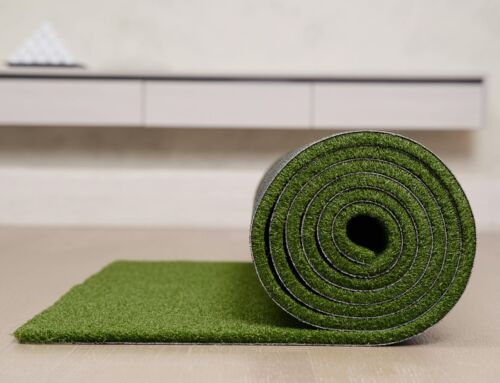
- Artificial Turf Rolls (measuring the required size)
- Weed Barrier Fabric (to prevent weeds from growing under the turf)
- Gravel or Decomposed Granite (for the base layer)
- Plate Compactor (to compact the base material)
- Shovel, Rake, and Push Broom
- Box Cutter or Utility Knife (for cutting turf)
- Seam Tape and Turf Adhesive (for securing seams)
- Nails or Turf Stakes (to secure the turf at the perimeter)
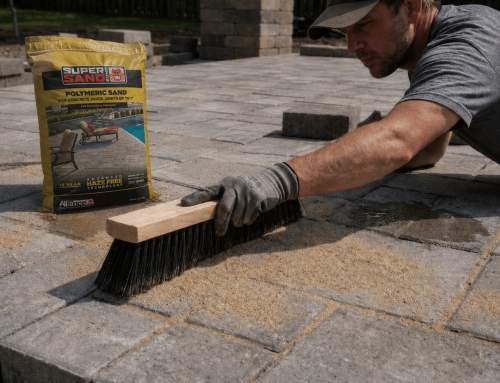
- Infill Sand (to support turf blades and keep them upright)
Make sure the infill sand and seam tape are spread evenly across the surface, as this will help maintain the integrity and look of your artificial turf.
How to Lay Artificial Turf on Grass
If you’re looking for a low-maintenance, durable alternative to natural grass, installing artificial turf is the perfect solution. Below are the steps on how to lay artificial turf on grass, ensuring a smooth and long-lasting result.
Step 1: Assessing Your Lawn
The first thing to do before installing your artificial turf is to assess your lawn. Look for uneven surfaces, low spots, and drainage issues. You’ll want to ensure that your synthetic grass has a stable foundation to lie on. Here’s what to look for:
- Soil Condition: Ensure that the soil is not too compacted. You may need to dig or loosen the soil before proceeding.
- Drainage: Poor drainage can cause water to pool under the artificial grass. Make sure the area is properly graded to allow water to run off.
If your yard has uneven grass or soil, you might need to level the area by spreading sand or gravel and compacting it with a plate compactor.
Step 2: Preparing the Ground
Before you start laying the artificial turf, the next step is to prepare the ground. Here’s how to properly prepare the grass area:
- Remove Existing Grass and Weeds: Use a shovel or sod cutter to remove the existing grass and weeds. A weed barrier can be used to help prevent future weed growth. If you have stubborn grass, you may need to apply a weed killer and wait for a couple of weeks before continuing the project.
- Level the Ground: You may notice that your lawn has low spots or uneven areas. These should be filled with gravel or decomposed granite to create a stable base layer. Most artificial turf installations require about 2 to 4 inches of compacted base material to ensure proper drainage and prevent the turf from shifting or sinking. Once the base is spread evenly, compact it with a plate compactor to create a firm foundation.
Step 3: Laying the Artificial Turf
Once the ground is prepared, you can begin the turf installation. Follow these steps to ensure a smooth and accurate installation:
- Roll Out the Turf: Unroll the artificial grass across your prepared surface, making sure to align it properly. Leave a few extra inches at the outer edges to allow for trimming. Install artificial grass in the same direction to create a natural look. Stretch the turf lightly as you go to avoid wrinkles.
- Cut the Turf: Use a box cutter or utility knife to cut turf around obstacles like garden beds or edges. Make sure to leave a couple of inches around the perimeter for securing the artificial turf later.
Step 4: Securing the Turf
After placing the turf pieces, it’s time to secure seams and anchor the turf in place. Here’s how:
- Secure the Seams: If you’re using multiple pieces of artificial turf, use seam tape and adhesive to join the edges. Apply the adhesive to the seams, and press the turf pieces firmly together to ensure a seamless appearance.
- Anchor the Turf: Use nails or turf stakes to secure the turf along the perimeter. Place the nails every 6 to 12 inches along the outer edge to keep the turf firmly in place and prevent shifting.
Step 5: Adding Infill and Finishing Touches
Infill is used to support the grass blades and create a more natural look. Follow these steps to apply the infill sand and give your turf its final touch:
- Apply Infill Sand: Spread the infill sand evenly across the entire surface using a drop spreader. The sand helps weigh down the turf and keeps the grass blades standing tall. Use a push broom to sweep the sand into the turf fibers.
- Brush the Turf: Once the infill is applied, use a push broom to brush the synthetic grass. This helps lift the blades and gives the turf a more natural, lush look. Be sure to brush in the direction of the turf grain for the best effect.
Maintenance Tips for Artificial Turf
Artificial turf requires less upkeep than natural grass, but occasional maintenance helps keep the surface clean and looking natural. Regular cleaning is important to remove leaves, dirt, and debris that can accumulate on the turf. Homeowners can use a rake or blower to clear the surface. If pets use the area, rinsing the turf with cold water helps prevent odor buildup and keeps the surface fresh.
Brushing the turf periodically also helps maintain its appearance by keeping the grass blades standing upright. Over time, the infill sand may settle due to foot traffic and weather conditions. Adding small amounts of infill when needed helps support the turf fibers and keeps the artificial lawn looking full and even.
Common Mistakes to Avoid
While installing artificial turf is relatively straightforward, there are a few common mistakes you should avoid:
- Skipping Base Preparation: A solid, level base is key to a successful installation. Never cut corners here.
- Incorrect Turf Cutting: Always cut turf to fit the area properly. Overlapping turf or cutting it too short will result in gaps and an uneven appearance.
- Not Using a Weed Barrier: Without a weed barrier, weeds can push through and ruin your artificial turf over time.
Conclusion
Installing artificial turf over grass provides a practical way to create a clean, durable, and low-maintenance lawn. The process involves removing existing grass, preparing and leveling the ground, installing a stable base layer, laying and securing the turf, and finishing with infill sand to support the grass blades. When these steps are done correctly, artificial turf can create a smooth surface that drains well, withstands heavy use, and stays green throughout the year.
At Old Station Outdoor & Landscape Supply, we help homeowners and contractors plan successful artificial turf installation projects with the right materials and guidance. Our team can assist you in selecting artificial grass, base materials, crushed stone, and other landscaping supplies needed for a long-lasting lawn. Whether you are starting a backyard upgrade or a larger landscape project, our experts are ready to help. Contact us today to learn more about the products and support available for your artificial turf installation.
FAQs
Can you install artificial turf directly on top of grass?
No. Artificial turf should not be installed directly on top of natural grass because the grass will decompose and create an uneven surface. Proper installation requires removing the existing grass and adding a compacted base layer such as crushed stone or decomposed granite. This ensures proper drainage and prevents sinking.
How long does artificial turf last after installation?
Most high-quality artificial turf lasts 15 to 20 years with proper installation and maintenance. The lifespan depends on factors such as foot traffic, climate conditions, and the quality of the base preparation. Regular brushing and occasional infill replenishment help extend its durability.
Does artificial turf drain well after rain?
Yes. Artificial turf systems are designed with a perforated backing that allows water to drain through the base layer. When installed with a properly compacted gravel or crushed stone base, rainwater drains quickly and prevents pooling. Good drainage is one reason artificial turf works well in residential yards and play areas.
How much does it cost to install artificial turf?
Artificial turf installation typically costs $8 to $20 per square foot, depending on turf quality, site preparation, and labor. DIY installations can reduce costs but still require materials like base rock, weed barrier, and infill sand. Professional installation ensures proper drainage, leveling, and long-term performance.