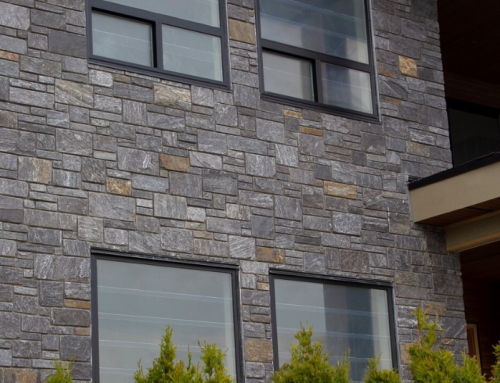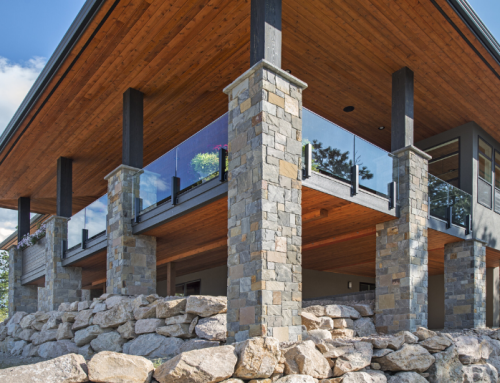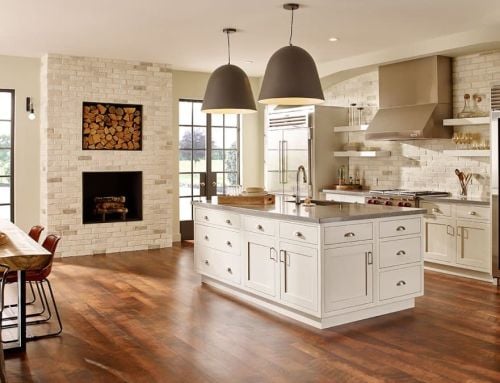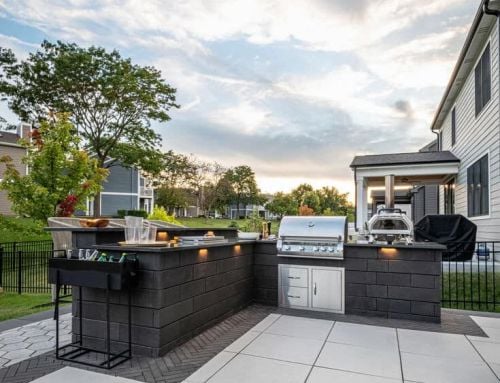
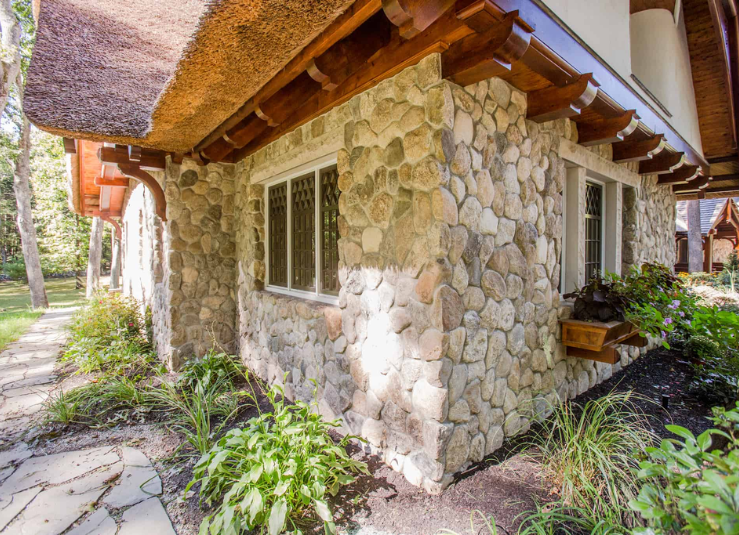
House using Stoneyard Boston Blend Round
Choosing the right thin round stone veneer starts with your project type, style, and budget. For exterior projects like building facades, chimneys, and foundations, natural stone such as granite or quartzite offers strong durability and handles moisture and high temperatures well. For interior fireplaces and accent walls, both natural and manufactured stone veneers can work, depending on the look you want. Pay attention to color variation, stone type, and the pattern created by rounded shapes, whether you prefer an irregular mosaic or a more consistent layout.
Thin round stone veneer is a practical way to bring the look of natural stone into a project without the heavy weight of full masonry. It uses thin stone veneer pieces with rounded shapes to create a natural, flowing appearance across interior and exterior surfaces. Installed with mortar as a non-structural layer, it delivers the beauty of real stone while staying lightweight and easier to work with for a wide range of projects.
What Is Thin Round Stone Veneer?
Thin round stone veneer is a type of stone veneer made from either natural stone or manufactured materials. Natural thin stone veneer is cut from quarries and sawn to reduce thickness while preserving texture and color variation. Manufactured options use concrete to replicate the shapes and textures of real stone.
This veneer typically has a reduced bed depth, which makes it lightweight and easier to install. The rounded shapes create a softer appearance compared to square or linear stone types. Because it is non-structural, it is commonly used on walls, chimneys, and foundations where appearance matters more than load-bearing strength.
What Makes Round Stone Veneer Different From Other Styles?
Round stone veneer stands apart because of its irregular and rounded shapes. Unlike ledge stone or ashlar, which follow more structured patterns, this style creates a mosaic-like layout. The result is a more natural and organic appearance that blends well with outdoor environments.
This style is often used to create a softer visual edge in both interior and exterior designs. The irregular pattern and varied textures help create depth and movement across the surface. It is a strong choice for projects that aim to highlight natural beauty rather than clean geometric lines.
Quick Comparison of Stone Veneer Styles
| Style | Look | Best Use Case |
| Round Stone | Smooth, irregular | Landscapes, rustic walls |
| Ledgestone | Linear, stacked | Contemporary walls |
| Ashlar | Structured, square | Formal facades |
| Fieldstone | Rough, natural | Traditional exteriors |
Where Thin Round Stone Veneer Works Best
This material performs well in both exterior and interior projects, offering flexibility across a wide range of applications. It is commonly used for building facades, foundations, chimneys, and pillars because it adds depth without excessive weight. This makes it a practical option for exterior projects where structural limits need to be considered.
It is also widely used for interior fireplaces, feature walls, and accent surfaces. The rounded shapes help create a natural transition between materials, which works well in both indoor and outdoor environments. Many projects also use this stone for outdoor kitchens, seating walls, and garden features to achieve a cohesive design.
Natural vs. Manufactured Thin Round Stone Veneer
Natural thin stone veneer is sourced from quarries and cut into thinner pieces. Each stone has a unique color variation, textures, and irregular shapes. Materials like granite and quartzite offer strong durability and can handle high temperatures, making them suitable for fireplaces and exterior use.
Manufactured stone veneer is made from concrete and molded into consistent shapes. It is often lighter and easier to install, which can reduce labor time. While it may not have the same depth as natural stone, it still delivers a strong visual result for many projects.
Key Differences at a Glance
| Feature | Natural Stone Veneer | Manufactured Veneer |
| Material | Real stone | Concrete-based |
| Appearance | Unique variation | Consistent shapes |
| Weight | Moderate | Lightweight |
| Cost | Higher | Lower range |
What Are The Benefits of Thin Round Stone Veneer
Thin round stone veneer offers several benefits that make it a reliable choice for many applications. Its lightweight structure and natural appearance make it suitable for both interior and exterior projects.
- Lightweight design reduces stress on walls and foundations
- Easier installation compared to full masonry stone
- Works well for both new construction and renovation projects
- Durable and resistant to moisture and weather conditions
- Maintains its appearance over time with minimal maintenance
- Offers natural beauty with unique color variation and textures
- Flexible design options for different styles and applications
Thin Round Stone Veneer vs. Full Stone
Full stone and thin round stone veneer differ in both weight and installation requirements. Full stone has greater thickness and depth, which increases its weight per square foot and often requires added structural support. This can make the installation process more complex and time-consuming, especially for larger exterior projects.
According to the Natural Stone Institute, thin stone veneer typically weighs under 15 pounds per square foot, while full stone can exceed 40 pounds. This difference reduces structural load and makes installation easier.
Thin round stone veneer is installed using mortar and bonds directly to a wall surface without carrying structural load. This approach reduces installation time and overall cost while still achieving the appearance of full masonry. For most interior and exterior applications, it offers a practical balance between performance, efficiency, and design flexibility.
Cost of Thin Round Stone Veneer
The cost of thin round stone veneer depends on several factors, including the stone type and project size. Natural stone options generally fall within a higher price range per square foot, while manufactured stone offers a more budget-friendly alternative. Materials sourced locally in New England may also affect shipping costs.
Labor costs vary based on the complexity of the installation. Projects with irregular shapes, corner pieces, and detailed patterns may require more time. Working with a professional mason helps manage these factors and improves the final result.
What Affects the Cost?
- Type of stone (natural or manufactured)
- Total square foot coverage
- Installation complexity and pattern
- Shipping and material availability
- Use of corner pieces and detailed cuts
What to Expect During Installation
The installation process begins with proper surface preparation. A stable wall is required before applying a moisture barrier and scratch coat. Mortar is then used to secure each stone in place, creating a strong bond between the veneer and the surface.
Polymer-modified mortar improves bonding strength by allowing better contact with the stone. This helps reduce the risk of detachment over time. A professional mason will also manage joints, spacing, and alignment to achieve a clean and consistent pattern.
Design Styles and Visual Impact
A natural and timeless appearance makes thin, round stone veneer suitable for many design styles. It fits well in rustic settings, yet it can also complement contemporary spaces when paired with clean lines and simple materials. The combination of irregular shapes, varied textures, and color variation adds depth and visual interest to any wall or surface.
This material works especially well in outdoor living areas. It enhances patios, fireplaces, and entryways while blending with surrounding stone and landscape elements. Neutral tones like gray and blended colors help it match a wide range of design choices and finishes.
Maintenance and Long-Term Performance
Durability and low maintenance are key advantages of thin round stone veneer. Natural stone performs well against moisture, weather exposure, and temperature changes, making it a dependable option for both indoor and outdoor applications. This makes it a strong choice for long-term use in different environments.
Basic cleaning helps keep the surface looking clean and consistent over time. Some stone types may benefit from sealing to manage moisture exposure. Proper installation, including drainage and joint spacing, also plays an important role in maintaining performance and preventing damage.
Common Mistakes to Avoid
Many issues with stone veneer come from poor installation or material selection. Skipping proper surface preparation or using incorrect mortar can lead to long-term problems. It is important to follow the correct process to maintain durability.
Another common mistake is choosing a stone type that does not match the project. Some designs require specific textures or shapes to achieve the desired look. Working with experienced professionals helps avoid these issues and improves the final outcome.
How to Choose the Right Thin Round Stone Veneer
Choosing the right thin round stone veneer depends on your project goals, style, and budget. Natural stone is often the best choice for projects that require authenticity and long-term durability. Manufactured options may be better for projects that need a consistent look at a lower cost.
Seeing materials in person helps you understand color variation, texture, and overall appearance. This allows you to make a more informed decision. Expert guidance can also help you select the right materials and achieve the desired result for your project.
Conclusion
Thin round stone veneer offers a practical way to bring the beauty of natural stone into both interior and exterior projects. It combines lightweight construction, durable materials, and flexible design options that fit a wide range of applications. From fireplaces to building facades, this veneer delivers a strong visual impact without the complexity of full masonry.
At Old Station Outdoor & Landscape Supply, we help you choose the right stone for your project. Whether you are working on a patio, wall, or full outdoor space, our team can guide you through materials, design, and installation. Contact us today to get expert advice and find the right thin round stone veneer for your project.
FAQs
Can thin, round stone veneer be installed over existing surfaces?
Yes, thin round stone veneer can be installed over existing surfaces like concrete, masonry, and properly prepared drywall. The surface must be clean, stable, and include a moisture barrier and scratch coat to support proper bonding.
Do you need special corner pieces for thin round stone veneer?
Yes, corner pieces are recommended for a finished look. They help create the illusion of full-depth stone by covering exposed edges and corners, especially on pillars, walls, and exterior facades.
Is thin, round stone veneer suitable for freeze-thaw climates like New England?
Yes, natural thin stone veneer performs well in freeze-thaw climates when installed correctly. Proper drainage, mortar application, and moisture control are important to prevent cracking or long-term damage.
How much thin round stone veneer do I need for my project?
You need to measure the total square foot area of the surface and add extra material for cuts and waste. Most projects require an additional 5–10% to account for irregular shapes, corners, and pattern adjustments.