Natural thin stone veneer is one of the most practical ways to use real stone in modern projects. This material gives you the beauty of natural stone without the weight of full-thickness masonry. Many homeowners and builders choose natural thin stone veneer to transform a wall, fireplace, or outdoor space. It works well for both interior and exterior applications, depending on your design and structure.
If you are planning a project, choosing the right stone veneer matters. The right selection improves appearance, durability, and long-term value. In this guide, you will learn how natural thin stone veneer works, where to use it, and how to choose the right type for your space.
What Is Natural Thin Stone Veneer?
Natural thin stone veneer is real stone that has been quarried and cut into thin pieces. These pieces usually range from about ¾ inch to 1.5 inches in thickness. Unlike full stone, this veneer does not support structural loads. It is applied as a surface layer over masonry surfaces like concrete, cement board, or brick.
Each piece keeps its natural texture, shape, and imperfections. This gives every installation a unique look that manufactured stone cannot fully match. Because it is thinner and lighter, it is easier to install and works in more areas.
How Natural Thin Stone Veneer Is Made
The process begins with real stone that is quarried from the earth. Large blocks are extracted and then cut into thinner pieces using specialized equipment. This reduces thickness while preserving the natural face, texture, and overall character of the stone.
Each piece is then sorted based on size, shape, and color. Some are machine-cut for consistency, while others are split to maintain a more natural appearance. This process ensures that every veneer piece keeps its unique variation and authentic look.
Why Natural Thin Stone Veneer Is Popular
One of the main reasons this material is widely used is its flexibility compared to full stone. Builders and homeowners can achieve a high-end look without dealing with heavy structural requirements. It works well for both small upgrades and larger outdoor projects.
Another key advantage is the balance between performance and appearance. You still get the feel of real stone, but with easier installation and reduced weight. This makes it a practical choice for fireplaces, feature walls, and exterior facades.
Types of Natural Thin Stone Veneer
Different styles of natural thin stone veneer create different design outcomes. The most common types include ledgestone, fieldstone, ashlar, and mosaic, each offering a distinct look depending on your space and project goals. Choosing the right type depends on your design style, layout, and how you want the finished wall or surface to appear.
- Ledgestone: Ledgestone uses long, thin pieces stacked tightly together. It creates a clean and modern appearance with strong horizontal lines. This type works well for accent walls and contemporary fireplaces.
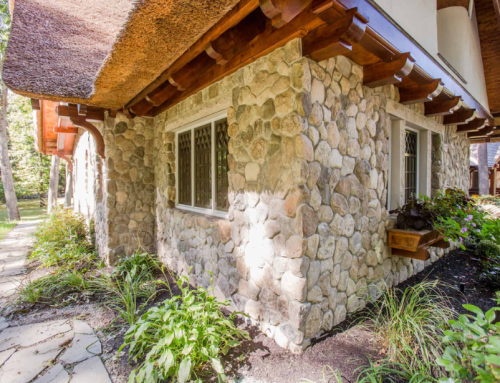
- Fieldstone: Fieldstone uses irregular shapes and sizes. It creates a more natural and rustic look. This style is often used for outdoor spaces and traditional designs.
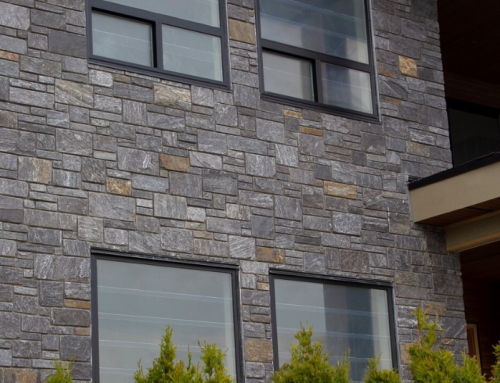
- Ashlar: Ashlar features rectangular pieces with clean edges. It offers a more structured and formal appearance. Many architects use this style for facades and entryways.
- Mosaic: Mosaic stone uses random shapes and layouts. It highlights natural variation and texture. This type works well when you want a more organic and unique design.
Where Natural Thin Stone Veneer Works Best
Natural thin stone veneer is versatile and works in many applications. It can transform both indoor and outdoor spaces with minimal structural changes.
Interior Applications
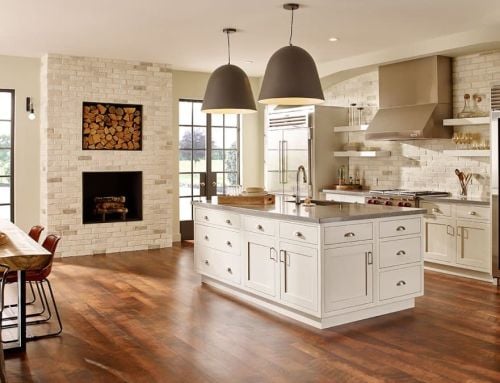
Inside the home, it is often used on fireplaces, feature walls, and kitchen backsplashes. It adds texture and depth without taking up too much space. It also works well in areas with limited wall thickness.
Exterior Applications
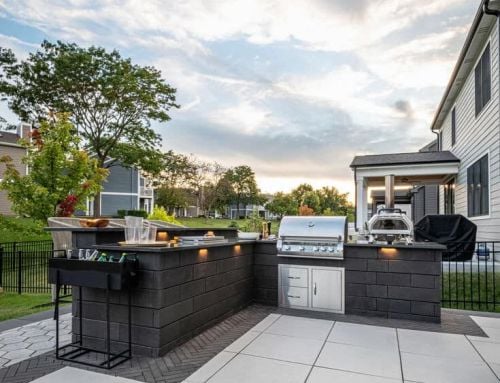
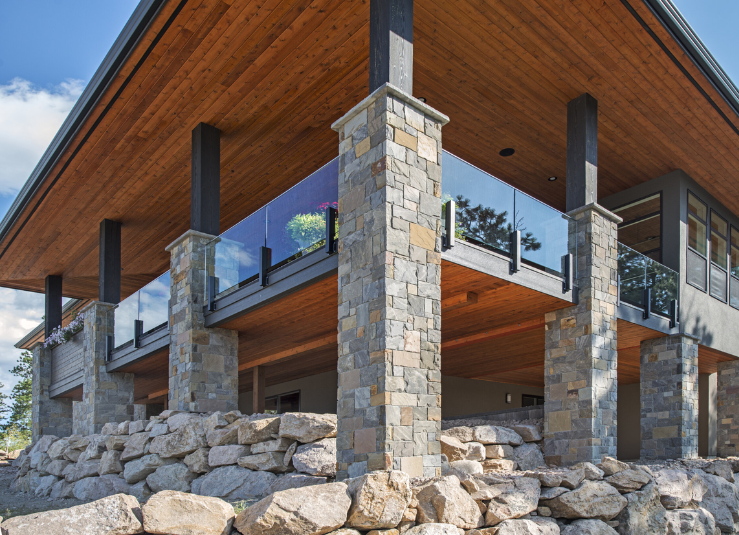
Outside, it is used for facades, columns, outdoor kitchens, and entryways. It improves curb appeal and adds durability. Many builders use it to match existing stone or brick elements.
Natural Stone Veneer vs. Manufactured Stone
Understanding the difference between natural stone veneer and manufactured stone helps you make a better decision. Both options serve similar purposes, but they differ in material, performance, and long-term value.
| Feature | Natural Thin Stone Veneer | Manufactured Stone |
| Material | Real quarried stone | Concrete-based |
| Appearance | Natural texture and variation | Molded and consistent |
| Durability | Long-lasting and weather-resistant | Moderate durability |
| Maintenance | Low maintenance | May require more upkeep |
| Cost | Higher upfront | Lower upfront |
Natural stone veneer offers a more authentic look and better long-term performance. Manufactured stone can be a budget-friendly option, but it may not match the same level of durability or aesthetic.
How Long Does Natural Thin Stone Veneer Last?
Natural thin stone veneer can last for decades when installed correctly. Because it is real stone, it resists weather, moisture, and temperature changes better than many manufactured materials. Natural stone has been used in construction for thousands of years. This long history supports its durability and long-term performance when properly installed. Its lifespan often matches full stone when properly maintained.
The key factor is installation quality. Proper surface preparation and drainage help prevent long-term issues. With the right setup, this material can last as long as the structure itself.
Cost of Natural Thin Stone Veneer
The cost of natural thin stone veneer depends on several factors. These include the type of stone, thickness, pattern, and availability. Some stones are more limited, which can affect pricing and lead time.
Installation costs also vary depending on the complexity of the project. A simple wall may cost less than a detailed fireplace or exterior facade. While the upfront cost may be higher, natural stone often provides better long-term value.
Common Mistakes to Avoid
Many issues with stone veneer come from poor planning or incorrect installation. Avoiding these mistakes helps protect your investment and ensures better results.
- Installing on the wrong surface without proper preparation
- Skipping moisture control or drainage steps
- Using incorrect mortar for the material
- Choosing the wrong stone type for the environment
- Not matching the thickness and edge pieces properly
Working with experienced builders or suppliers helps reduce these risks. Early guidance often prevents costly corrections later.
How to Choose the Right Natural Thin Stone Veneer
Choosing the right natural thin stone veneer depends on your project, style, and budget. This step is important because it affects both the final look and performance.
- Identify your project type (interior or exterior)
- Match the stone style with your design
- Consider color, texture, and natural variation
- Check thickness and installation requirements
- Review available products and samples
- Confirm material availability and order time
Seeing the stone in person makes a difference. Photos or computer screens cannot fully show texture, color, or depth. Visiting a local supplier allows you to explore options and compare samples directly.
Why Work With a Local Stone Supplier
Choosing a local supplier gives you better access to quality materials and expert knowledge. You can view products in person, compare styles, and get guidance based on your project.
Local suppliers also help match stone with your existing space. They understand regional conditions and recommend materials that perform well. This reduces the risk of delays, mismatched colors, or incorrect selections.
Conclusion
Natural thin stone veneer gives you the look and feel of real stone without the weight and complexity of full masonry. It works across many applications, from fireplaces and feature walls to exterior facades and outdoor living spaces. With the right selection, you can match your design, improve durability, and create a space that feels natural and long-lasting. Taking time to understand styles, costs, and installation helps you avoid common mistakes and get better results for your project.
At Old Station Outdoor & Landscape Supply, we help homeowners and builders choose the right natural thin stone veneer for any project. You can visit us to explore products, view samples in person, and get expert guidance based on your needs. Our team is here to help you match the right material, plan your installation, and move forward with confidence. Contact us today to get started on your project.
FAQs
How thick is natural thin stone veneer compared to full stone?
Natural thin stone veneer is typically ¾ inch to 1.5 inches thick, while full stone can be 3 to 5 inches thick. This thinner profile makes it lighter and easier to install. It also reduces structural load on walls and foundations.
Do you need special tools to install thin stone veneer?
Yes, installing thin stone veneer requires basic masonry tools such as a trowel, level, and wet saw. Proper tools help cut stone pieces cleanly and ensure accurate placement. Many projects also require mortar mixing and surface preparation tools.
Can natural thin stone veneer be installed over existing brick?
Yes, natural thin stone veneer can be installed over existing brick if the surface is stable and properly prepared. A bonding agent or scratch coat may be required to ensure proper adhesion. It is important to check the condition of the brick before installation.
Does natural thin stone veneer increase home value?
Yes, natural thin stone veneer can increase home value by improving curb appeal and overall design. It creates a premium look that appeals to buyers and enhances the property’s aesthetic. Its durability and low maintenance also add long-term value.