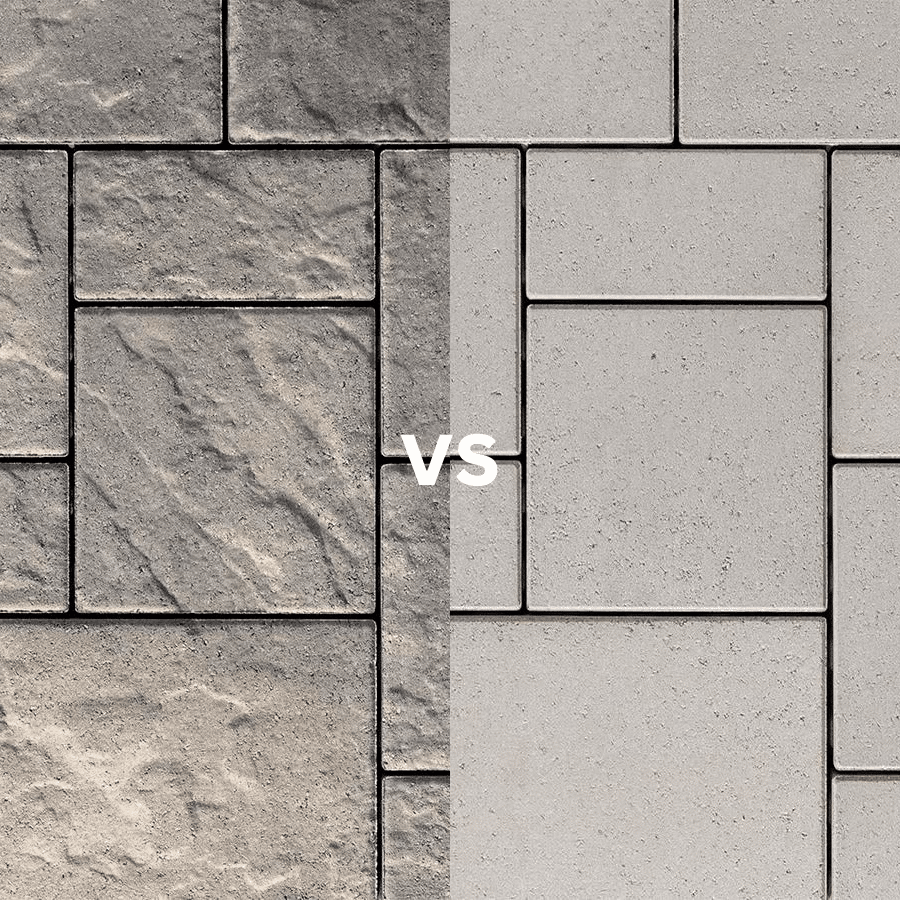
When choosing the right surface finish for your home or outdoor space, the type of finish you opt for can drastically impact both the aesthetic and functionality of the area. Among the popular options, slate finish vs smooth finish is a common comparison. Understanding the differences between these two finishes is essential for making the best decision for your design project. Each finish provides distinct visual appeal and performance benefits depending on your needs.
Whether you’re working with natural stone, slate flooring, or ceramic tile, both finishes offer unique advantages. Slate finish tends to have a rough, textured surface ideal for high-traffic areas or outdoor settings, while smooth finish provides a sleek, polished look perfect for modern spaces. This guide will walk you through the characteristics of each finish, its benefits, and how to decide which one is the best choice for your space.
What Is a Slate Finish?
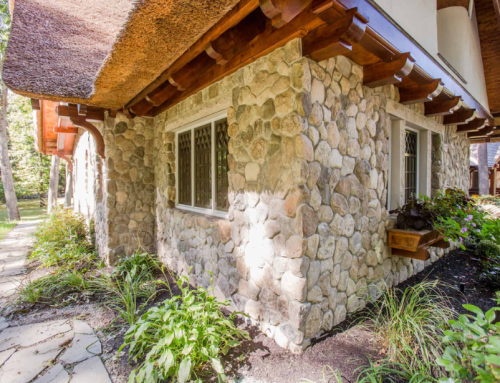
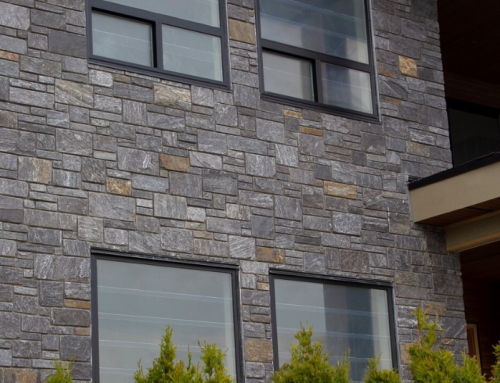
A slate finish is often defined by its rough surface and textured appearance. This is typically achieved by cutting or cleaving the stone into irregular pieces. This natural finish has a more earthy and rustic aesthetic, making it perfect for spaces that benefit from a natural slate look. It often has a cleft slate texture that is distinctive and unique. The process of obtaining a new slate results in a surface that is rough and sometimes uneven, giving it a more organic and raw feel.
Characteristics of Slate Finish
- Texture: A rough, tactile surface that varies in its natural clefts.
- Aesthetic Appeal: A rustic, organic look that blends well with natural elements.
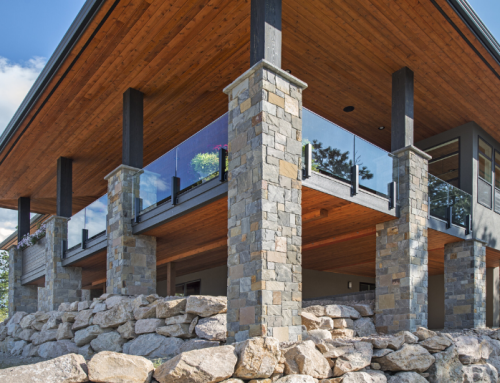
- Common Uses: Used primarily in outdoor settings, such as entryways, garden paths, and patios, as it is durable and slip-resistant, especially in wet areas.
This textured finish not only adds character but also provides practical benefits. Slate flooring and other natural stone flooring types are often chosen for their durability and slip resistance. This makes them ideal for areas where safety and durability are paramount.
What Is a Smooth Finish?
On the other side of the spectrum, a smooth finish is typically associated with a flat finish and sleek appearance. This finish is often achieved through processes like honing or polishing, which result in a glossy finish that is smooth to the touch. The look of a smooth finish is more refined, making it perfect for spaces that need a touch of elegance and modern appeal. You can find smooth finishes in a variety of materials, including marble, granite, and porcelain tiles.
Characteristics of Smooth Finish
- Texture: Even, sleek, and polished to provide a shiny surface.
- Aesthetic Appeal: Elegant, modern, and sophisticated, often used in contemporary designs.
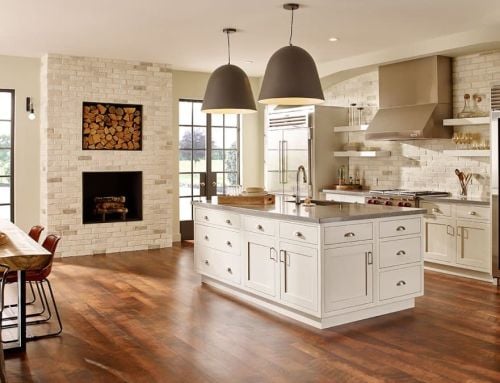
- Common Uses: Smooth finishes are commonly found in bathrooms, kitchens, and living rooms, where the glossy finish complements modern appliances and furniture.
This finish can transform spaces, making them feel open, light, and sleek. It pairs wonderfully with minimalist designs and creates a polished, refined atmosphere.
Slate Finish vs Smooth Finish: Side-by-Side Comparison
To help you visualize the differences, here’s a quick comparison of both finishes:
| Feature | Slate Finish | Smooth Finish |
| Texture | Rough, cleft, irregular | Flat, polished, sleek |
| Aesthetic | Natural, rustic, earthy | Modern, sleek, and shiny |
| Slip Resistance | High, ideal for wet areas | Can be slippery, needs sealing |
| Maintenance | Requires regular cleaning and sealing | Easy to clean, but needs polishing |
| Durability | Highly durable and resistant to weathering | Durable, but can show chips and scratches |
| Ideal for | Outdoor paths, garden steps, entryways | Indoor spaces, kitchens, bathrooms |
| Colors Available | Typically, shades of gray, blue, black, and brown | Available in a variety of colors, often white, beige, and gold |
The texture of slate makes it a better choice for outdoor areas that are exposed to the elements, while the smooth finish shines in spaces where a sleek, refined look is desired.
Where Does a Slate Finish Work Best?
The slate finish is perfect for areas that need to stand up to heavy foot traffic, weather exposure, and moisture. It provides a rough surface that offers excellent slip resistance, which is especially important in wet areas like gardens or patios that may experience rain. The natural texture of slate also adds an organic touch to the landscape.
Best Uses for Slate Finish:
- Garden paths: The rough texture helps prevent slipping.
- Driveways: Slate’s durability and weather resistance make it ideal for high-traffic outdoor areas.
- Patios: Slate is commonly used for outdoor living spaces, especially when you need a surface that can handle heat and moisture.
Because of its durability and unique appearance, slate has long been a popular choice for hardscaping and outdoor flooring.
Where Does a Smooth Finish Work Best?
A smooth finish is ideal for spaces where comfort and elegance are important. Since the finish is sleek and polished, it is often used in areas that require a high-end look. Whether in bathrooms, kitchens, or living rooms, the smooth finish provides a glossy surface that is easy to clean and maintain.
Best Uses for Smooth Finish:
- Kitchens: Works well around countertops, refrigerators, cooktops, and dishwashers, as it provides a clean, modern look.
- Bathrooms: The smooth texture complements porcelain tiles and other polished materials often used in bathrooms.
- Living rooms: Smooth stone or granite flooring adds a touch of luxury and style.
What Are the Benefits of a Slate Finish?
When it comes to outdoor design, choosing the right finish can greatly enhance the functionality and aesthetic of your space. A slate finish offers several advantages, making it an ideal choice for a variety of settings.
Advantages of Slate Finish
- Slip Resistance: Because of its rough surface, slate finish naturally provides traction, making it ideal for wet and high-traffic areas like garden paths and entryways.
- Rustic Aesthetic: Slate’s natural appearance enhances its appeal, creating a timeless look that blends seamlessly with outdoor landscapes.
- Durability: As a natural stone, slate is highly durable and resistant to the elements, making it perfect for long-lasting outdoor applications.
What Are the Benefits of a Smooth Finish?
A smooth finish is a popular choice for those seeking a sleek and modern look in both indoor and outdoor spaces. With its polished appearance and easy-to-clean surface, it offers several benefits that can enhance the design and functionality of your space.
Advantages of Smooth Finish
- Sleek & Modern: The polished, refined look of a smooth finish works well in modern designs and high-end spaces like kitchens and bathrooms.
- Low Maintenance: Unlike rough surfaces, smooth finishes are easy to clean and maintain. The sealed surface prevents mold or grout from building up, which is common in rougher textures.
- Comfortable: Smooth surfaces are comfortable to walk on, making them perfect for indoor areas like living rooms and bedrooms.
What Are the Drawbacks of Slate Finish and Smooth Finish, and How Can You Overcome Them?
While both slate finish and smooth finish offer distinct advantages, each comes with its own set of drawbacks. Understanding these limitations will help you decide how to manage and maintain these surfaces for optimal performance.
Disadvantages of Slate Finish
- Dirt and Debris: The texture of slate can trap dirt, requiring more frequent cleaning compared to smooth finishes.
- Cracking: Slate can crack under pressure, so it’s important to handle and install it carefully to avoid chips.
Solution: Regularly clean and seal slate to reduce dirt accumulation. Professional installation helps prevent cracking and enhances durability.
Disadvantages of Smooth Finish
- Slippery When Wet: Smooth finishes can be slippery, especially in wet areas like poolside or bathrooms.
- Susceptible to Scratches: Although durable, smooth surfaces may show fingerprints, scratches, or dents more easily.
Solution: Apply a non-slip treatment to smooth finishes, especially in wet areas. Regular polishing can help minimize visible scratches and keep the surface shiny.
How Do You Maintain Slate and Smooth Finishes?
To maintain a slate finish, sweep regularly to remove dirt and debris. Seal with a stone-specific product to protect the surface and prevent moisture damage. For stains, use a stone-safe cleaner to scrub and maintain its texture.
For smooth finishes, clean with a damp cloth or mop to remove dust and fingerprints. Periodically polish the surface to maintain shine, and apply a sealant to protect it from stains and damage, ensuring it stays glossy and easy to care for.
Which Finish Is Better for Your Project?
When deciding between a slate finish and a smooth finish, consider the following factors:
- Location: Choose slate for outdoor settings where durability and traction are important, and a smooth finish for indoor areas or modern spaces.
- Design Preference: Opt for a rustic slate finish to add texture and warmth or a smooth finish for sleek, polished designs.
- Maintenance: If you prefer a low-maintenance finish, smooth surfaces will be easier to clean.
Conclusion
Choosing between a slate finish and a smooth finish ultimately depends on your specific needs, design preferences, and the environment in which the material will be used. Slate finishes are ideal for rustic, high-traffic outdoor spaces, offering durability, slip resistance, and a natural, earthy look. On the other hand, smooth finishes shine in modern, polished indoor settings, providing ease of maintenance, sleek aesthetics, and comfort. Whether you prioritize practicality or style, understanding the differences between these finishes will help you make the right choice for your space.
At Old Station Outdoor & Landscape Supply, we offer a wide variety of natural stone options to suit all your outdoor design needs. Whether you’re looking for slate flooring for your garden paths or smooth finishes for a luxurious patio, we have the materials and expertise to bring your vision to life. Contact us today to get personalized recommendations. Let us help you choose the perfect surface finish to transform your outdoor space.
FAQs
Is a slate finish good for wet areas?
Yes, a slate finish is ideal for wet areas due to its natural slip resistance. The textured surface helps prevent slipping, making it suitable for garden paths, driveways, and patios exposed to rain or moisture.
Can a smooth finish be used outdoors?
While smooth finishes are often used indoors, they can be used outdoors with the right treatments. Non-slip coatings and regular sealing help maintain safety and prevent slips, especially in wet areas like poolside or outdoor kitchens.
How do I clean slate flooring?
To clean slate flooring, regularly sweep to remove dirt and debris. For deeper cleaning, use a stone-safe cleaner and occasionally scrub with a brush to prevent dirt from embedding in the texture.
Is a smooth finish more expensive than slate?
A smooth finish can be more expensive depending on the material and polishing process. Marble or granite with a smooth finish typically costs more than slate, but both offer long-term durability and aesthetic appeal.