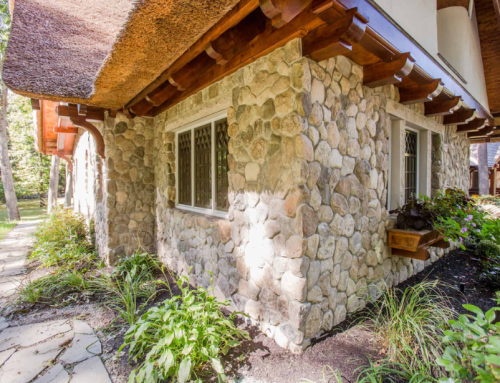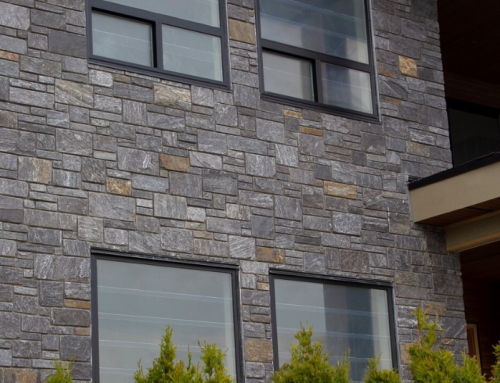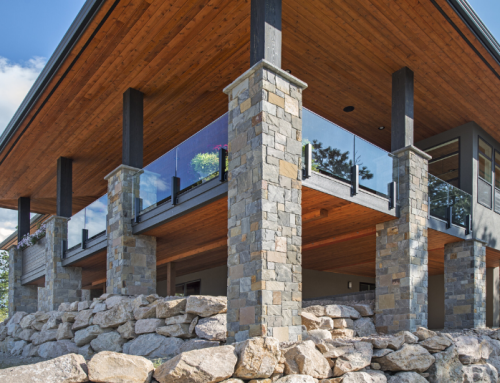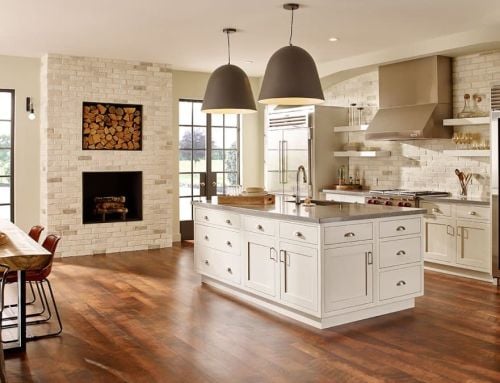
Transforming your outdoor space is easy with a Rivercrest retaining wall. This innovative system combines the natural beauty of stone with the practicality of manufactured concrete, offering a versatile solution for landscaping projects. Whether you’re building a garden wall, seat wall, or creating a standout feature like a fire pit or outdoor kitchen, the Rivercrest wall delivers both aesthetic appeal and long-lasting durability.
In this guide, we’ll explore the many benefits, installation tips, and design possibilities that make the Rivercrest wall a top choice for homeowners and contractors. From its easy installation to its ability to integrate into various outdoor features, the Rivercrest wall stands out as a functional and stylish option for enhancing your landscape. At Old Station Outdoor & Landscape Supply, we provide the premium materials and expert guidance to help you make the most of your Rivercrest retaining wall project.
What Is a Rivercrest Retaining Wall?
A Rivercrest retaining wall is a premium hardscape product that combines the appearance of natural stone with the ease of concrete installation. Manufactured by Unilock, this system mimics the look of stacked flagstone while providing the durability and affordability of concrete. The system is designed to be easy to install. This makes it a great option for both DIY enthusiasts and professional landscapers.
Key Features of the Rivercrest Wall:
- Natural Appearance: The Rivercrest system is designed to resemble real stone surfaces while offering the uniformity and durability of manufactured concrete. The textures and character of each block make it a perfect option for creating a natural beauty in your landscape.
- Variety of Designs: Whether you’re looking for straight walls, curved walls, or more intricate designs like pillars or outdoor kitchens, the Rivercrest system offers great flexibility. The blocks are available in various sizes and shapes, making them suitable for a wide range of applications.
- Ease of Installation: The Rivercrest wall system is designed for easy installation, with no cutting required for most applications. The modular design allows for quick and efficient construction of garden walls, retaining walls, and other outdoor features.
Key Benefits of Rivercrest Retaining Walls
When choosing a retaining wall system, the Rivercrest wall stands out due to its natural look, durability, and easy installation. But the benefits don’t stop there. Here’s a deeper dive into why so many homeowners and contractors choose the Rivercrest system for their landscaping projects:
Durability
The Rivercrest retaining wall system is made from manufactured concrete that mimics the texture and appearance of stone. This means it’s not only built to last but also designed to withstand the elements. Whether you’re dealing with heavy rains, snow, or temperature fluctuations, the Rivercrest wall system will remain intact for years to come.
Aesthetic Appeal
Unlike traditional concrete blocks, the Rivercrest system offers a natural stone look without the hassle or cost of using real stone. The stacked flagstone appearance adds a timeless charm to any landscaping project, making it ideal for everything from small garden walls to larger retaining walls. The natural textures and real stone surfaces are designed to blend seamlessly into your landscape, creating a clean yet rustic finish.
Versatility
The Rivercrest retaining wall system is incredibly versatile. It’s perfect for a variety of applications, including:
- Garden walls
- Seat walls for patios or gardens
- Retaining walls to hold back soil and create level planting areas
- Outdoor kitchens, fire pits, and water features
With such a wide range of uses, the Rivercrest wall is a great solution for anyone looking to enhance their outdoor space.
Ease of Installation
One of the standout features of the Rivercrest wall is its ease of installation. The interlocking design eliminates the need for cutting or special tools, and the blocks are designed to fit together easily. This makes the system suitable for DIY projects, saving on both time and installation costs.
How to Install a Rivercrest Retaining Wall
Installing a Rivercrest retaining wall is a straightforward process, especially if you’re working with the modular system. Whether you’re a DIYer or hiring a professional, here’s an overview of the installation process:
Preparation
Before you start, make sure the ground where the wall will be installed is clear of debris, plants, or anything else that might get in the way. The area should be level and compacted to ensure the wall has a solid foundation. Use a level to ensure that the first layer of blocks is perfectly straight.
Layout and Measuring
Next, mark out the area where the wall will be placed. Measure the length, width, and height of the wall and make sure you have enough Rivercrest blocks to cover the area.
Laying the First Row
Start by laying the first row of Rivercrest blocks along the base. Make sure each block is level, and check the alignment regularly. This first row will serve as the foundation for the rest of the wall.
Stacking the Blocks
Once the first row is laid, continue stacking additional rows of blocks. Ensure each row is level and aligned. The blocks are designed to interlock, making it easy to stack them securely.
Backfilling
As you lay the wall, backfill the space behind the wall with gravel or other compactable material. This will help keep the wall stable and prevent soil erosion. Be sure to tamp down the backfill to ensure the wall is secure.
Finishing Touches
Once the wall is complete, check for any gaps or uneven areas. Fill in any voids with additional material and make sure the wall is sturdy and level.
Rivercrest Retaining Wall Design Ideas
The Rivercrest wall system is not just functional; it’s also designed to add beauty to your outdoor space. Here are some creative ideas for using Rivercrest walls in your landscape:
Curved Garden Walls
The flexibility of the Rivercrest system allows you to create curved walls that fit perfectly into your garden design. Whether you’re creating a flower bed or a raised planting area, curved walls can add elegance and flow to your garden.
Seat Walls and Fire Pits
Use Rivercrest walls to build seat walls around your patio or fire pit area. This clever design creates additional seating while also acting as a decorative feature in your yard. The natural stone appearance makes it perfect for creating a rustic yet comfortable outdoor living area.
Outdoor Kitchens and Bar Areas
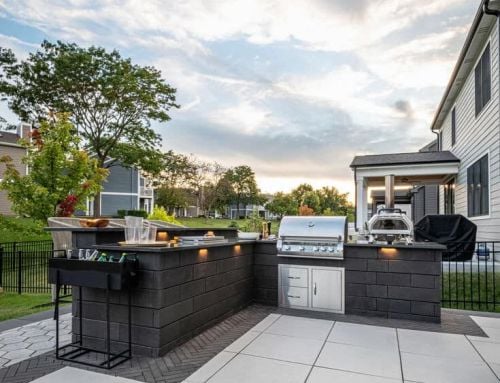
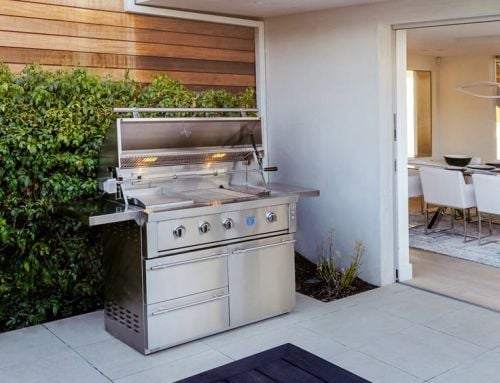
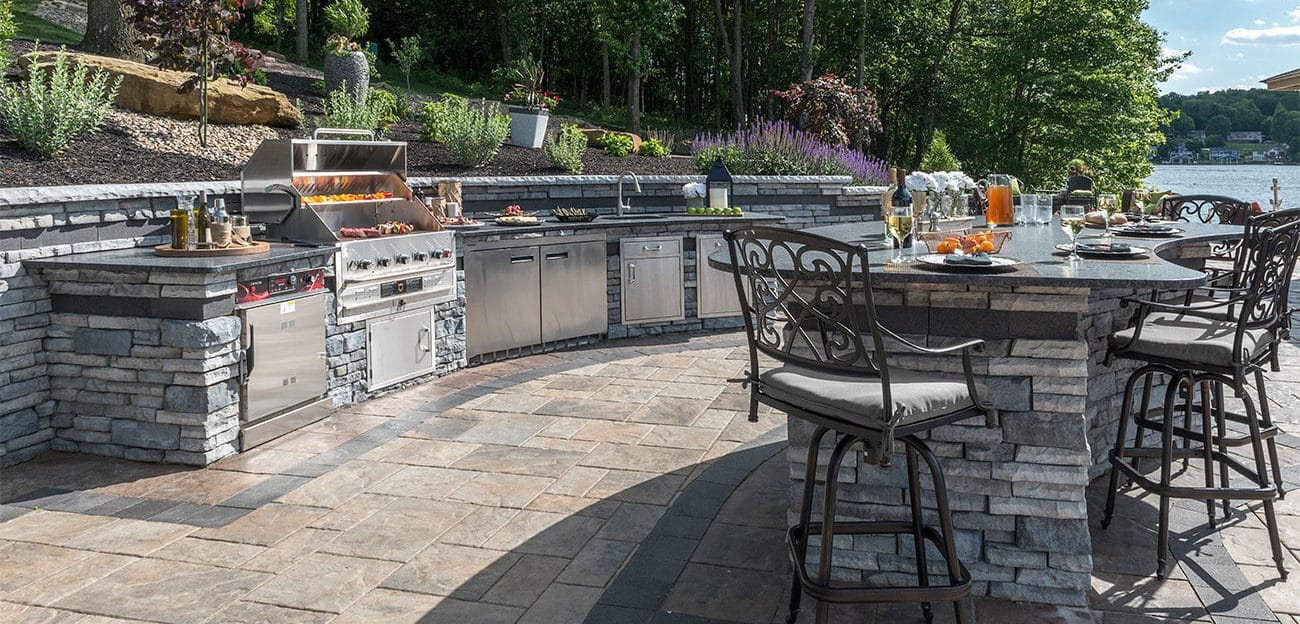
Integrate Rivercrest walls into your outdoor kitchen or bar area. These walls can form the base for countertops, built-in grills, and storage areas. The real stone look adds a high-end finish to your cooking area, making it the perfect space for entertaining guests.
Retaining Walls for Sloped Yards
For properties with uneven or sloped terrain, Rivercrest retaining walls can help level out areas for gardens, pathways, and seating. These walls hold back soil while creating visually appealing, tiered landscapes.
Rivercrest Retaining Wall Maintenance
Maintaining your Rivercrest wall is essential to ensure it stays looking great for years. While the system is durable, a little regular care goes a long way.
Cleaning
To keep your Rivercrest wall looking fresh, occasionally scrub it with a soft-bristle brush and mild soap. Avoid harsh chemicals that could damage the surface.
Checking for Damage
Regularly inspect the wall for any cracks or shifting. If you notice any issues, address them as soon as possible to prevent further damage.
Sealing
Consider applying a sealant to protect the wall from the elements and to keep the colors vibrant. Sealants also help prevent stains and water damage.
Cost Considerations for Rivercrest Retaining Walls
When planning your Rivercrest retaining wall project, it’s important to understand the associated costs. The total cost will depend on several factors, including the size of the wall, the complexity of the design, and whether you’re doing the installation yourself or hiring a professional.
Factors That Affect Cost:
- Material Cost: The price of Rivercrest blocks varies depending on your location and supplier. On average, you can expect to pay $10 to $20 per square foot for the materials.
- Labor Cost: If you hire a professional, labor costs can add $50 to $100 per hour, depending on your location and the complexity of the installation.
- Site Preparation: Additional costs may include site clearing, excavation, and backfilling materials.
Conclusion
The Rivercrest retaining wall offers an ideal blend of durability, aesthetic appeal, and ease of installation, making it a top choice for homeowners and contractors alike. Whether you’re looking to enhance your landscape with a garden wall, seat wall, or outdoor feature, Rivercrest provides the versatility and long-lasting quality needed to transform your outdoor space. With its natural stone look and reliable performance, the Rivercrest wall will continue to stand strong and beautiful for years to come.
At Old Station Outdoor & Landscape Supply, we provide the premium materials and expert support you need to bring your Rivercrest retaining wall project to life. Our team is here to guide you through the process, from product selection to installation tips. Contact us today for a personalized consultation, and let us help you build the perfect retaining wall for your outdoor space.
FAQs
What is the cheapest retaining wall option?
The cheapest retaining wall options are typically timber or treated wood walls. They are easy to install and cost-effective, but they may not offer as much durability or aesthetic appeal as other materials.
Can you use river rock behind a retaining wall?
Yes, you can use river rock behind a retaining wall. It is often used as a drainage material to prevent water buildup and help with soil stability.
What is the best material for a waterfront retaining wall?
The best material for a waterfront retaining wall is typically natural stone or concrete blocks, as they are highly durable and can withstand water pressure and erosion.
How much is a 5-foot retaining wall?
The cost of a 5-foot retaining wall varies depending on material and location, but typically ranges from $15 to $40 per square foot for basic materials like concrete or timber.