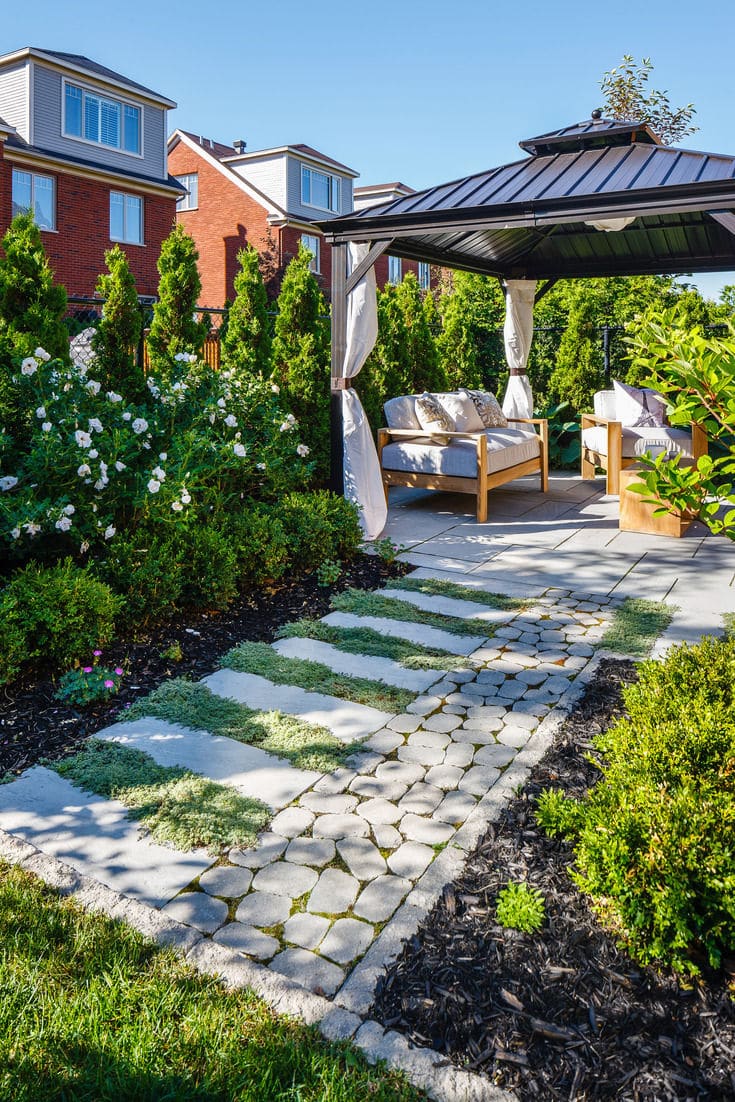
Picture walking across a stunning patio that seamlessly blends natural beauty with lasting durability. That is the magic of flagstones. These stones have helped transform countless backyards, garden paths, and outdoor spaces into breathtaking landscapes built to last.
Whether planning a new patio, adding stepping stones to a garden, or designing elegant walkways, understanding the world of flagstones is the first step toward making an informed decision. From the rough texture of weathered sandstone to the polished elegance of quartzite, flagstones offer a wide variety of colors, shapes, and thicknesses to suit any style or project.
What is Flagstone?
Flagstone is one of the most practical natural materials for landscaping and construction. Formed through geological processes over millions of years, these flat, layered stones split naturally along sedimentary lines, making them ideal for patios, walkways, and retaining walls. The term "flagstone" doesn't refer to one specific type of rock but rather any stone that can be easily split into thin, flat pieces.
One of flagstone's biggest advantages is its natural variety. Different regions produce stones with distinct colors, textures, and finishes, ranging from smooth and polished to rough and rustic. This diversity allows for creative, durable designs that suit a wide range of outdoor styles and environments.
Popular Flagstone Types
Slate
Slate is a versatile metamorphic stone best suited for wall cladding, artistic features, and moderate-traffic areas. Its smooth, slip-resistant surface and ease of cutting make it a popular choice for decorative use. However, since slate can absorb water, sealing is recommended in regions prone to freeze-thaw cycles to prevent damage.
Sandstone
Sandstone is an affordable sedimentary stone best for patios, pool areas, and walkways. It stays cool underfoot in hot weather, making it ideal for barefoot use. Due to its porous nature, proper drainage is important to prevent water absorption and potential damage.
Quartzite
Quartzite is ideal for high-traffic areas and driveways due to its extreme durability, natural slip resistance, and ability to withstand harsh climates. While it's weather-resistant and long-lasting, the stone's hardness makes it difficult to cut, often requiring professional installation.
Limestone
Limestone is best for formal landscapes and humid climates, offering a refined appearance and natural weather resistance. Though durable, it can be affected by acidic substances and its heavy weight may increase installation costs.
Bluestone
Bluestone is best for traditional New England designs, offering strong regional appeal and excellent durability. This dense sandstone features a rough texture for good traction and withstands harsh winters well. Sealing is recommended to preserve its color and protect against staining.d holds up well to harsh winters. The stone requires sealing to maintain color and resist staining.
Travertine
Travertine is best for pool areas and luxury installations, offering a naturally cool surface and a textured, weathered look with distinctive surface pits. While it's durable and upscale, the porous texture can make maintenance more demanding.
How to Choose the Right Flagstone
Consider Your Climate
In Massachusetts, harsh winters are a constant challenge. Dense stones like quartzite or bluestone handle freeze-thaw cycles better than porous options like sandstone. Their durability helps prevent cracking and shifting, making them a reliable choice for long-lasting outdoor surfaces.
Match Your Style
Based on our experience with hundreds of projects:
- Traditional homes: Irregular shapes with earthy colors like brown, tan, and rust blend seamlessly with classic architecture and natural surroundings, creating a timeless, welcoming look.
- Contemporary designs: Cut edges with uniform colors such as gray, charcoal, or blue provide clean lines and a sleek, modern aesthetic that complements minimalist outdoor spaces.
- Rustic landscapes: Natural weathered textures and irregular flagstones enhance the organic feel of rural or woodland settings, adding charm and character to garden paths and patios.
- Formal gardens: Smooth, polished surfaces in soft neutrals or light tones offer a refined, elegant appearance ideal for structured landscapes and symmetrical layouts.
Budget Planning
Material costs are just the beginning. It's important to also factor in installation fees (typically $10–$15 per square foot for professionals), site preparation and base materials, tools and equipment for DIY projects, and ongoing maintenance supplies.
Size and Shape Considerations
- Small pieces (12″-18″): Better for curves and intricate patterns
- Large pieces (18″-36″): Faster installation, contemporary look
- Natural edges: Organic, rustic appearance
- Cut edges: Clean, modern lines
Installation Recommendations
Professional vs. DIY
Professional installation is best for projects involving heavy stones like limestone, large surface areas, complex drainage needs, or when warranty coverage matters. Skilled installers can ensure proper leveling, alignment, and long-term durability.
DIY is a great option for smaller projects like garden paths, simple patios, or when using lighter stones such as sandstone. Basic rectangular patterns are easier to handle and require minimal tools, making them manageable for most homeowners.
Foundation Requirements
A proper foundation typically includes:
- Excavation: 6-8 inches deep for most applications
- Base layer: 4-6 inches of compacted gravel
- Sand layer: 1-2 inches for leveling
- Drainage: Proper slope and water management
Joint Options
- Sand joints: Natural look, allows for slight movement
- Polymeric sand: Weed prevention, more stable
- Mortar joints: Permanent installation, formal appearance
- Laid dry: Natural gaps for plant growth
Maintenance and Care
Regular Maintenance
- Cleaning: Sweep regularly to remove dirt, leaves, and debris that can cause staining or surface wear. Pressure wash two to three times per year using a fan-tip nozzle and stone-safe detergent to maintain a fresh appearance without damaging the surface.
- Weed control: Apply polymeric sand between joints to harden gaps and prevent weed growth. For existing weeds, use a safe herbicide or manually remove them to keep pathways clear and attractive.
- Stain removal: Address spills quickly to prevent deep staining, especially from oil, rust, or organic matter like berries. Use pH-neutral or stone-specific cleaners, and avoid harsh chemicals that could damage the surface.
Sealing Requirements
Most flagstones benefit from sealing every 2–5 years. Dense stones like quartzite may not need sealing, while porous varieties like sandstone typically require it. Sealing helps protect against stains, moisture damage, and color fading, especially in high-traffic or weather-exposed areas. Regular sealing also makes cleaning and maintenance easier over time.
Seasonal Care
- Winter: Promptly remove ice and snow to prevent moisture damage, especially in freeze-thaw climates. Avoid using salt or harsh deicers on natural stones like limestone, as they can cause surface erosion or discoloration.
- Summer: Perform a deep clean using a stone-safe cleaner and a stiff brush to remove dirt, algae, or mildew. It's also a good time to inspect for cracks, shifting stones, or other damage that may need repair.
- Spring/Fall: These seasons offer mild temperatures and low moisture, making them ideal for sealing flagstone and performing major maintenance tasks like leveling or resetting loose pieces. Regular upkeep during these times helps extend the lifespan and appearance of the stone.
Popular Applications
Patios and Outdoor Living
Flagstones create beautiful outdoor spaces that naturally incorporate into landscaping. Choose stones that complement your house style and provide adequate space for furniture and traffic flow. Smooth, durable stones like bluestone or slate work well for these areas. Add features like fire pits or built-in seating to enhance functionality.
Walkways and Garden Paths
Stepping stones and continuous walkways guide visitors through your yard while adding visual interest. Consider slip-resistant varieties for safety. Irregular shapes can create a rustic, natural look, while uniform cuts offer a more polished design. Proper spacing and base preparation help prevent shifting and weeds.
Pool Areas
Select stones that stay cool and handle water exposure well. Travertine and limestone are excellent choices that won't become slippery when wet. These stones also enhance the luxurious feel of a poolside retreat. Be sure to seal surfaces regularly to resist chlorine and moisture damage.
Retaining Walls
Thicker flagstones can be used for low retaining walls and garden borders. Ensure proper installation for structural integrity. Dry-stacking or using mortar depends on the height and load of the wall. These walls also help control erosion and define planting areas.
a
tr th, tr td
tr th
Unilock Bristol Valley Pavers
Unilock Bristol Valley® Pavers are a refined, manufactured alternative to natural flagstone that deliver the look of natural stone with the consistency and performance of concrete pavers. Designed with a subtle surface texture and gently waved edges, Bristol Valley offers the character of traditional flagstone while providing uniform thickness and precise sizing for easier installation and long‑term durability.
These pavers are manufactured using Unilock's EnduraColor® technology, which creates a dense, color‑rich surface layer that resists fading, wear, and staining over time. Unlike surface‑applied sealers, EnduraColor locks color into the paver during production, helping maintain its appearance in patios, walkways, and pool surrounds exposed to the elements.
Bristol Valley pavers are available in a random bundle of three sizes—large rectangle, small rectangle, and square—allowing for flexible layout patterns that closely resemble natural flagstone installations. In select regions, a larger XL rectangle is also available and can be used alone or combined with the standard bundle for more contemporary designs.
Common applications include:
- Patios and outdoor living areas
- Walkways and garden paths
- Pool decks and surrounds
- Accent borders and pedestrian areas
Because Bristol Valley pavers are manufactured to consistent thickness, they provide excellent stability and are well‑suited for installations where precise leveling and clean joint lines are important—making them a popular choice for homeowners who want the aesthetic of flagstone with the reliability of a paver system.
Conclusion
Flagstones bring together timeless beauty and practical performance, making them a top choice for patios, walkways, pool areas, and more. With so many types, textures, and finishes available, it's easy to find a stone that fits your style, climate, and budget. From proper installation to regular care, understanding these details ensures your flagstone project stays beautiful and durable for decades.
At Old Station Outdoor & Landscape Supply, we've helped countless homeowners and contractors choose the right flagstone for their unique needs. Whether you're planning a simple garden path or a full-scale outdoor living area, we're here to guide you every step of the way. Visit our showroom in Norton, MA, or contact us today to get expert advice, see our wide selection, and find the perfect stone for your project.
FAQs
Why are they called flagstones?
The name comes from the Middle English word "flagge," meaning turf, which likely originated from the Old Norse word "flaga," meaning chip or slab, perfectly describing these flat stone pieces used for outdoor flooring applications.
How does flagstone form?
Flagstones form through geological processes where sedimentary rocks like sandstone develop in layers over millions of years, or when existing rocks undergo metamorphic transformation under heat and pressure, creating natural splitting lines that provide easy access to flat segments.
Are there different kinds of flagstones?
Yes, there are many different types, including slate, sandstone, quartzite, bluestone, travertine, and basalt, each offering different colors ranging from subtle grays and beiges to vibrant reds, blues, and greens depending on their geological formation.
Is flagstone a natural stone?
Yes, flagstone is 100% natural stone that's quarried directly from the earth with minimal processing, including popular varieties like limestone that maintain all their natural beauty and unique characteristics formed by geological processes over millions of years.
a
tr th, tr td
tr th
What is a flagstone?
Flagstone is a type of natural stone that naturally splits into flat layers, making it ideal for outdoor paving and landscaping. Common types of flagstone include sandstone, limestone, slate, and bluestone, each offering unique textures, colors, and durability.
What are flagstones used for?
Flagstones are commonly used for:
- Outdoor patios
- Walkways and garden paths
- Steps and stair treads
- Pool decks
- Courtyards and outdoor living spaces
Their flat shape, slip resistance, and natural appearance make them a popular choice for both residential and commercial landscaping projects.
What types of flagstone are available?
Flagstone comes in several natural stone varieties, including:
- Sandstone flagstone – warm colors and natural texture
- Limestone flagstone – smooth surface and classic appearance
- Slate flagstone – darker tones with a more uniform thickness
- Bluestone – dense, durable, and often used for high‑traffic areas
Each type differs in color, finish, and performance depending on the application.
Is flagstone a natural stone?
Yes. Flagstone is a 100% natural stone quarried from sedimentary or metamorphic rock. It is split or cut into flat pieces without artificial manufacturing, making it a durable and environmentally friendly material for outdoor use.
What is the difference between flagstone and slate?
Slate is a specific type of metamorphic stone known for its smooth surface and uniform thickness. Flagstone, on the other hand, is a broader term that refers to flat natural stones, which may include slate, sandstone, or limestone. Slate is often more consistent in shape, while flagstone offers a more natural, irregular look.
Flagstone vs limestone: what's the difference?
Limestone flagstone tends to be lighter in color with a smoother surface, giving it a refined appearance. Other flagstones, such as sandstone, often have more texture and variation. Limestone is frequently chosen for patios and walkways where a clean, classic look is desired.
Is flagstone good for patios?
Yes — flagstone is an excellent material for patios. It offers:
- Natural slip resistance
- Long‑term durability
- Timeless aesthetic appeal
When installed correctly and properly maintained, a flagstone patio can last for decades.
What are flagstone pavers?
Flagstone pavers are flat pieces of natural stone used to create paved outdoor surfaces. They can be irregularly shaped for a natural look or cut into more uniform sizes for a more structured design. Flagstone pavers are commonly used for patios, walkways, and courtyards.
Is flagstone porous?
Some types of flagstone, particularly sandstone and limestone, are porous. This means they can absorb water if left untreated. Applying a quality stone sealer helps reduce moisture absorption and protects the stone from staining and weathering.
What is the best flagstone for landscaping?
The best flagstone depends on how it will be used:
- Sandstone and bluestone are popular for walkways and patios
- Limestone is often used in refined outdoor living areas
- Slate works well where consistent thickness is important
Choosing the right flagstone depends on design goals, climate, and foot traffic.
Where can I buy flagstone near me?
You can find a wide selection of high‑quality natural flagstone for patios and landscaping at Old Station Landscape Supply. We serve homeowners and contractors with durable stone options suitable for a variety of outdoor projects.