Winter weather can create hazardous conditions, especially when ice accumulates on roads, driveways, and sidewalks. A common solution for tackling ice during the colder months is rock salt. But, does rock salt melt ice effectively, and is it the best option for de-icing your property?
In this comprehensive guide, we’ll explore how rock salt works, the best practices for its application, and alternatives you can consider. We’ll also discuss the environmental impact and the most efficient ways to use salt for ice melting. By the end, you’ll be equipped with the knowledge to keep your surfaces safe while minimizing harm to your environment. At Old Station Outdoor & Landscape Supply, we provide high-quality ice melt products and expert advice to help you manage winter conditions effectively and responsibly.
How Does Rock Salt Work to Melt Ice?
Does rock salt melt ice? The simple answer is yes, but there’s more to it than just sprinkling salt on a patch of ice. To understand why rock salt is effective, we need to look at how it interacts with ice and snow.
Freezing Point Depression
At its core, the process behind how rock salt melts ice is called freezing point depression. Salt, specifically sodium chloride (NaCl), works by lowering the freezing point of water. Normally, water freezes at 32°F (0°C), but when salt is added, it disrupts the process by breaking up the ice’s crystal structure. This makes it harder for the ice to remain solid. As a result, the ice begins to melt, even if the temperature is below the normal freezing point.
This means rock salt is most effective when temperatures are above 15°F (-9°C). Below this temperature, salt’s effectiveness diminishes, and it can be less efficient at melting ice.
How Does Salt Dissolve Ice?
When rock salt is applied to ice, the salt dissolves in the thin layer of water that forms on top of the ice. As the salt mixes with the water, it creates a brine solution. This brine solution has a lower freezing point than pure water. This means the ice can no longer remain solid at the same temperature, and it begins to melt.
However, it’s important to note that the salt doesn’t “disappear” in the process. It just changes the freezing point of the surrounding water. This allows it to stay liquid at lower temperatures, ultimately turning ice back into water.
Best Practices for Using Rock Salt on Ice
Rock salt can be an effective solution for melting ice, but only if it’s used correctly. Here’s how to get the best results while avoiding common mistakes.
How Much Rock Salt Should You Use?
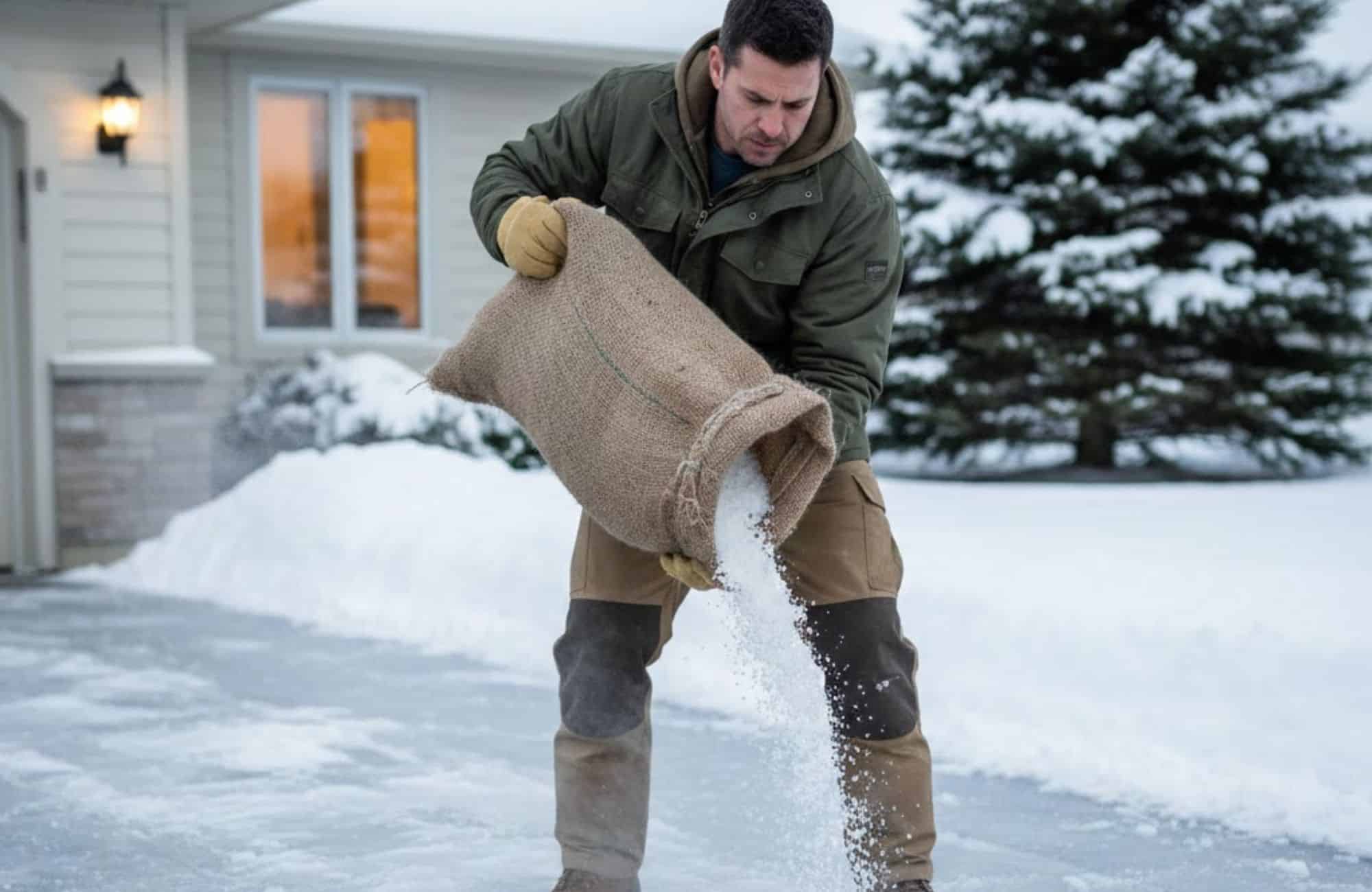
While it may seem like more salt is better, too much salt can actually be counterproductive. Salt works best when it is applied evenly over the icy surface. A general guideline is to use 1 pound of salt per 5 square feet of surface area. This ensures you are using enough to lower the freezing point, but not so much that it becomes wasteful or harmful to the environment.
When Should You Apply Salt?
Timing is crucial for effective ice melting. It’s best to apply rock salt before the snow or ice starts accumulating, as this can prevent ice from forming in the first place. However, if you’re dealing with an existing ice buildup, you should spread salt evenly over the ice and give it time to work. Salt typically takes about 30 minutes to 1 hour to start melting the ice.
Using Salt on Different Surfaces
Salt is highly effective on hard, flat surfaces like asphalt and concrete. However, it can damage softer surfaces such as wood or certain types of metal. Always check the manufacturer’s recommendations if you’re applying salt to a vehicle, patio, or deck. Additionally, salt can cause damage to your plants and lawns, so be mindful of where you’re applying it, especially near vegetation.
Rock Salt vs Ice Melt: Which Works Better?
While rock salt is effective for melting ice, it’s not always the best option. Let’s take a look at how it compares to other ice melts, such as calcium chloride and magnesium chloride.
- Effectiveness at Lower Temperatures: Calcium chloride works more efficiently at lower temperatures than rock salt. It can melt ice at temperatures as low as -25°F (-32°C), whereas rock salt is ineffective below 15°F (-9°C). If you live in an area that experiences extreme cold, calcium chloride or magnesium chloride might be better options.
- Environmental Impact: One downside of rock salt is its environmental impact. While it’s effective at melting ice, it can cause significant damage to plant life, soil, and concrete when used in excess. On the other hand, magnesium chloride is less harmful to vegetation and concrete. This makes it a more eco-friendly choice for those concerned about the environment.
- Cost Comparison: Rock salt is generally the cheapest option, making it an appealing choice for large areas like driveways and parking lots. However, if you’re looking for better performance at lower temperatures or want something less damaging to your property, the additional cost of calcium chloride may be worthwhile.
Environmental Impact of Rock Salt
While rock salt is a popular solution for melting ice, its environmental impact can be significant, particularly when used in excess.
Impact on Concrete and Asphalt
Rock salt can lead to cracking and spalling of concrete, particularly in areas with repeated freeze-thaw cycles. The salt can seep into the surface, causing the concrete to break down over time. This is why it’s important to use salt sparingly and follow the manufacturer’s guidelines for application.
Harm to Plants and Wildlife
Salt runoff can wash into nearby soil, affecting plant roots and disrupting local ecosystems. Saltwater solutions can harm aquatic life when they enter waterways, and excessive salt can cause long-term soil degradation. If you’re concerned about these issues, consider using an eco-friendly de-icer or reducing your salt use.
How to Safely Store Rock Salt
Proper storage of rock salt is essential to maintain its effectiveness. When exposed to moisture, rock salt can clump together. This makes it difficult to spread evenly and reduces its ability to melt ice efficiently. Storing rock salt in a cool, dry place helps prevent moisture absorption, ensuring that the salt remains free-flowing and ready for use when needed.
Storage Tips:
To keep your rock salt fresh throughout the winter season, follow these simple tips:
- Seal the Bag: If you purchase rock salt in bags, make sure to seal them tightly after each use. This helps prevent moisture from getting in.
- Use a Covered Container: Store your salt in plastic bins or buckets with tight-fitting lids to keep out humidity.
- Elevate the Storage Area: If possible, store your salt off the ground, on a pallet or shelf, to prevent moisture from seeping in from the floor.
- Organize for Easy Access: Keep your storage area organized with clearly labeled containers. This makes it easy to find and access the salt when you need it.
By following these tips, you can ensure that your rock salt remains in good condition and ready to help you tackle icy conditions all winter long.
Alternatives to Rock Salt: Eco-Friendly Ice Melt Options
If you’re concerned about the negative effects of rock salt, there are several eco-friendly alternatives that are effective at melting ice. Calcium chloride and magnesium chloride are great options, especially in colder temperatures. These de-icers tend to work faster than rock salt and are generally less harmful to the environment, though they can be more expensive.
For a more environmentally friendly approach, consider alternatives like sand, beet juice, and calcium magnesium acetate. While these options may not melt ice as quickly as rock salt, they are safer for your landscaping and have a lower environmental impact, making them a better choice for long-term use.
Conclusion
Rock salt is an effective ice melter when used properly, but it’s important to balance its use to prevent environmental and property damage. For areas with extreme winter conditions, consider using alternatives like calcium chloride or magnesium chloride. They work better in colder temperatures and are less harmful to the environment.
At Old Station Outdoor & Landscape Supply, we offer a wide range of de-icing products, including eco-friendly alternatives, to keep your surfaces safe and clear all winter long. Whether you choose rock salt or a greener option, our expert team is here to help you select the best solution for your needs. Contact us today for more information and assistance with your winter preparedness.
FAQs
At what temperature does road salt stop working?
Road salt begins to lose its effectiveness below 15°F (-9°C). At these lower temperatures, it can no longer lower the freezing point of water enough to melt ice efficiently. For temperatures colder than this, alternative de-icers like calcium chloride are more effective.
What does salt do to ice?
Salt lowers the freezing point of water through a process called freezing point depression. It prevents the formation of ice crystals by dissolving into the thin layer of water on the surface, causing the ice to melt. This process makes it easier to break down the ice and turn it into liquid water.
Does regular salt melt ice?
Yes, regular salt (sodium chloride) can melt ice by lowering the freezing point of water. However, it is most effective when temperatures are above 15°F (-9°C). In colder conditions, other de-icers may be more effective.
How long does rock salt take to melt ice?
Rock salt typically starts melting ice within 30 minutes to an hour of application. The time can vary depending on the amount used, the temperature, and the thickness of the ice. For thicker ice or colder temperatures, it may take longer for rock salt to work effectively.