Winter often requires effective ice management, especially when sidewalks, driveways, and roads become slippery due to snow and freezing rain. One of the most common solutions people use is rock salt, as it is affordable and readily available. But can you use rock salt for ice melt effectively in all conditions? While it works well in moderate temperatures, rock salt may not be as effective in extremely cold weather. It can also cause damage to surfaces and the environment.
In this article, we’ll explore its effectiveness, the pros and cons of using it, and alternative de‑icers that might better suit your needs. While rock salt is an affordable and readily available option, it’s important to understand its limitations. We will break down when rock salt works best, how it compares to other ice melt products, and the potential risks associated with its use.
What Is Rock Salt and How Does It Work?
Rock salt, also known as sodium chloride, is a naturally occurring mineral commonly used for melting ice. It works by lowering the freezing point of water, a process called freezing point depression. When you spread rock salt on ice, it dissolves into the ice and water mixture. This breaks the bonds between the ice crystals, making it easier to melt the ice and prevent further freezing.
How Rock Salt Works for Ice Melt:
- Chemical Composition: Sodium chloride (NaCl) is the primary component of rock salt.
- Melting Process: Rock salt lowers the freezing point of water because the dissolved ions disrupt the formation of the ordered crystal structure of ice, which is an entropy effect.
- Ideal Conditions: Rock salt is effective in temperatures above 20°F (-6°C), but its effectiveness drops significantly as temperatures fall below this range.
While rock salt is affordable and easy to use, it has some limitations, especially when temperatures drop below freezing. It’s also not suitable for all surfaces and environments, which is why it’s essential to consider alternatives.
The Pros and Cons of Using Rock Salt for Ice Melt
When it comes to melting ice, rock salt is a popular choice due to its affordability and widespread availability. However, like any de‑icer, it has its advantages and drawbacks, which should be considered before deciding if it’s the right option for your needs.
Pros of Using Rock Salt:
- Affordability: Rock salt is one of the most cost-effective ice melt options available. It provides an economical solution for those needing to treat large areas without breaking the bank.
- Widely Available: It is easy to find and can be purchased at most hardware stores and online retailers. This accessibility makes it a convenient choice for homeowners and businesses alike.
- Fast Acting: When applied in appropriate conditions, rock salt can start melting ice within minutes. It’s especially effective in moderate cold temperatures, providing quick relief in winter conditions.
- Effective for Large Areas: Rock salt is excellent for treating large parking lots or roads that need quick de‑icing. Its affordability and efficiency make it a go-to solution for large-scale de‑icing projects.
Cons of Using Rock Salt:
- Limited Effectiveness in Extreme Cold: As temperatures drop below 20°F (-6°C), rock salt’s ability to melt ice diminishes significantly. In colder conditions, you may need to apply larger quantities or choose alternatives like calcium chloride.
- Environmental Concerns: Rock salt can harm plants, soil, and local waterways. When it melts, it can seep into the ground, affecting the ecosystem.
- Damage to Concrete and Surfaces: Frequent use of rock salt can cause concrete to crack and deteriorate over time. It can also corrode metal surfaces, leading to rust on cars and infrastructure.
- Pet Safety: Salt can cause irritation or burns on pets’ paws. It’s essential to wash their paws after walking them outside, especially if they’ve walked on salted sidewalks or driveways.
Rock Salt vs Ice Melt: What’s the Difference?
When it comes to melting ice, there are several de‑icing products available, including ice melt blends and rock salt. While rock salt is a common choice, ice melt products often outperform rock salt in certain conditions. Let’s compare the two:
| Feature | Rock Salt | Ice Melt Blends |
|---|---|---|
| Melting Temperature | Effective down to 20°F (-6°C) | Effective in colder temperatures (below -20°F/-29°C) |
| Speed | Melts slowly in colder temps | Fast-acting, ideal for immediate de‑icing |
| Surface Safety | Can damage concrete and corrode metals | Typically safer for surfaces, less corrosive |
| Environmental Impact | Harmful to plants and soil | Eco-friendly blends available |
| Cost | Most affordable | Generally, more expensive than rock salt |
Ice melt blends often combine calcium chloride, magnesium chloride, or potassium chloride, which have a lower freezing point than rock salt and work better in extreme cold. These blends are more environmentally friendly and less damaging to concrete.
When Should You Use Rock Salt vs Alternatives?
Rock salt is most effective when temperatures are above 20°F (-6°C), making it ideal for moderate winter weather. It’s also the best choice when you need to treat large areas quickly, such as parking lots, streets, and driveways, due to its low cost and wide availability. If you’re on a budget and need a cost-effective solution, rock salt is often the go-to option.
However, when temperatures drop below 20°F (-6°C), alternatives like calcium chloride or magnesium chloride are more effective in extreme cold. If surface damage is a concern, especially on driveways or sidewalks, eco-friendly ice melts or sand can provide traction without long-term harm. Additionally, if pet safety is a priority, it’s best to use pet-safe de‑icers that are gentler on animals and the environment.
How to Apply Rock Salt Safely and Effectively
To get the most out of rock salt, proper application is crucial. Here are some key tips:
Step 1: Measure the Right Amount
When applying rock salt, it’s important to measure the right amount to avoid overuse, as excess salt can damage surfaces and harm the environment. A thin layer of salt is typically sufficient for mild ice, while a slightly heavier application may be necessary for more stubborn ice. By using just the right amount, you can achieve effective ice melt without causing unnecessary harm to your surfaces or the surroundings.
Step 2: Apply Evenly
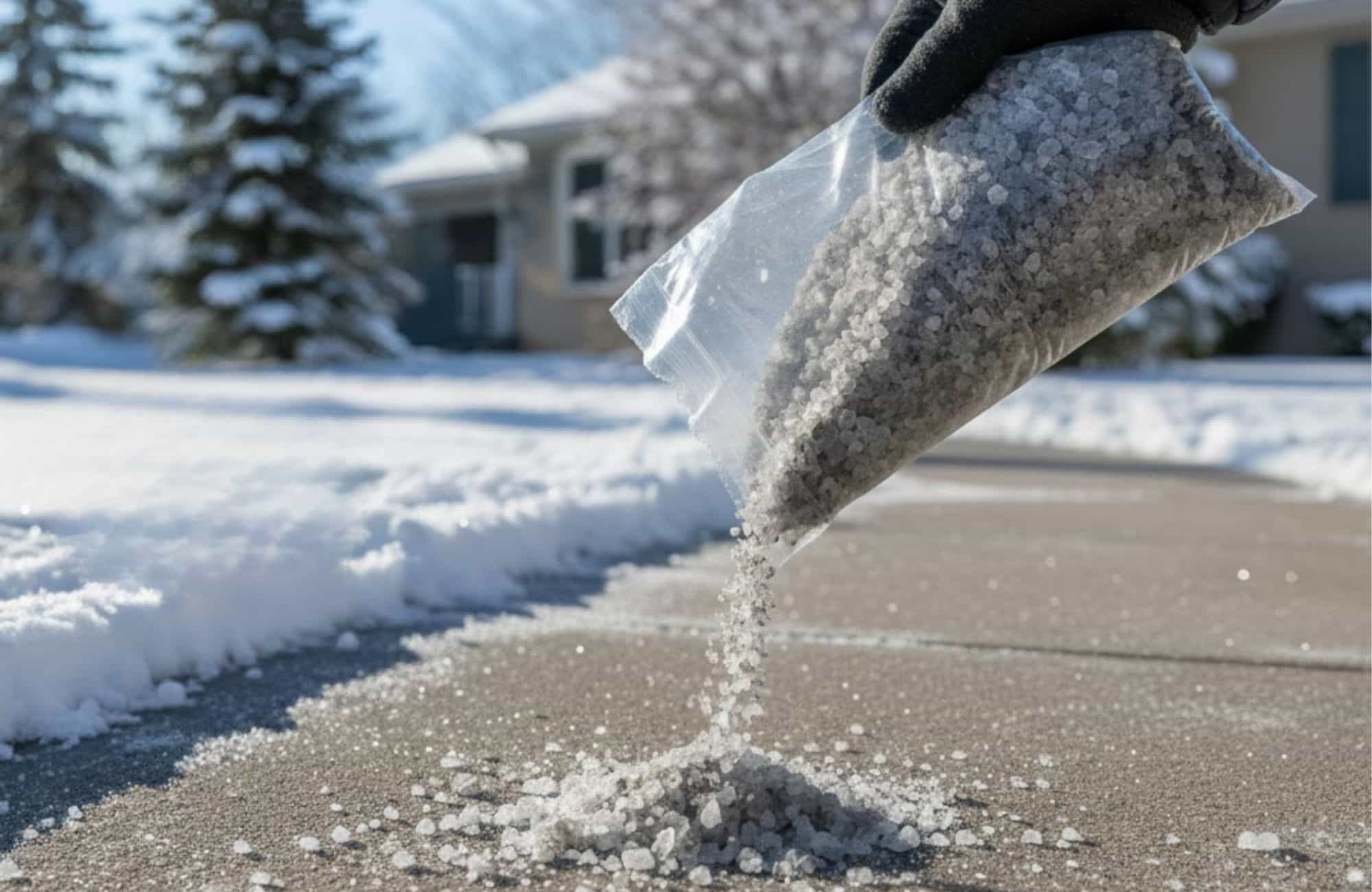
To ensure even distribution, use a salt spreader when applying rock salt. This helps melt the ice more effectively and prevents untreated areas. For smaller areas, you can sprinkle the salt by hand, but be mindful of applying it evenly to avoid uneven spreading and ensure consistent results.
Step 3: Timing Matters
Timing is crucial when using rock salt. Apply it before a snowstorm to prevent ice from forming in the first place. If the ice has already formed, apply rock salt as soon as possible to promote quicker melting and prevent the ice from bonding to the surface.
Conclusion
Rock salt can be an effective and affordable solution for melting ice in moderate winter conditions, but it does have its drawbacks. It can cause surface damage, harm the environment, and may lose its effectiveness in extremely cold temperatures. Understanding when and how to use rock salt and when to switch to alternatives can help you keep surfaces safe and clear while minimizing potential risks.
At Old Station Outdoor & Landscape Supply, we provide a wide range of de‑icing products and expert advice to help you manage winter weather effectively. Whether you need rock salt, eco-friendly ice melts, or other winter solutions, we have you covered. Contact us today for guidance on the best options for your needs, and let us help you keep your property safe and ice-free this winter.
FAQs
Does rock salt or ice melt work better?
Ice melt generally works better than rock salt in extremely cold temperatures because it has a lower freezing point. It also tends to melt ice faster and is less damaging to surfaces like concrete. Rock salt is more cost-effective but loses its effectiveness below 20°F (-6°C).
Can you use rock salt instead of ice cream salt?
Yes, you can use rock salt instead of ice cream salt, but rock salt may not be as effective for the ice cream freezing process. Ice cream salt is typically a finer granule, which allows it to dissolve faster and create colder temperatures. For ice cream, a finer salt is preferred for more efficient cooling.
What kind of salt is needed to melt ice?
The most common salt used to melt ice is rock salt (sodium chloride), as it is affordable and widely available. Calcium chloride and magnesium chloride are also effective, especially in colder temperatures, as they work at much lower freezing points. Choose the type based on the weather conditions and surface protection needs.
When not to use rock salt?
Avoid using rock salt when temperatures are below 20°F (-6°C), as it loses its effectiveness in extreme cold. It should also be avoided on delicate surfaces like concrete, as it can cause damage over time. If you have pets, consider alternatives, as rock salt can irritate their paws.