
As winter approaches, pet owners often worry about how to keep their furry friends safe from snow, ice, and the chemicals used to melt it. One common concern is, “Is Morton rock salt safe for pets?” This popular de-icing product can pose risks to pets, so it’s important to understand the potential dangers. In this guide, we’ll explore the risks of using traditional rock salt and discuss safer, pet-friendly alternatives.
We’ll also provide practical tips on how to protect your pets’ paws from the harmful effects of salt exposure and explain how to identify the symptoms of salt poisoning if it occurs. At Old Station Outdoor & Landscape Supply, we offer pet-safe ice melt products that can help keep your furry friends safe this winter. With these insights and our recommended products, you can ensure your pets stay comfortable and protected throughout the winter months.
Understanding Morton Rock Salt and Its Impact on Pets
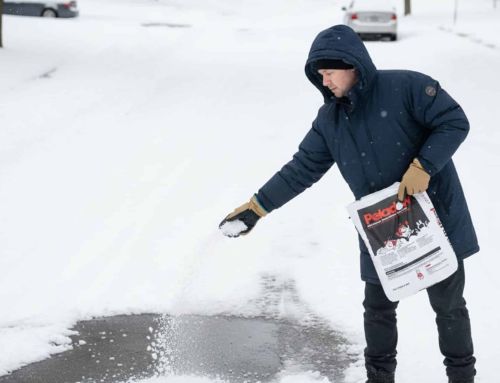
Morton Rock Salt is commonly used to melt snow and ice on driveways, walkways, and roads. It’s made from sodium chloride, the same ingredient found in table salt. While effective at melting ice, it can pose serious risks to pets if they come into contact with it.
When pets walk on salted surfaces, the salt can irritate their paws and cause discomfort. Additionally, if your pet licks the salt off their paws or ingests it, they may suffer from poisoning. The symptoms of salt poisoning can include vomiting, diarrhea, and, in severe cases, even death.
The Dangers of Rock Salt to Pets
Traditional rock salt is highly corrosive and can cause a range of health issues for pets. Here’s a closer look at the potential dangers:
- Paw Irritation: Sodium chloride can cause irritation and burns on your pet’s paws, leading to pain and discomfort.
- Ingestion: If your pet licks their paws after walking on salted surfaces or eats snow that’s been treated with salt, they may ingest toxic amounts. This can result in gastrointestinal upset, dehydration, and more severe symptoms like seizures or organ failure.
- Skin and Eye Irritation: Rock salt can cause skin irritation, especially for pets with sensitive skin. If it gets into your pet’s eyes, it can lead to burning and discomfort.
While Morton Rock Salt is effective at clearing ice, it’s not the best choice for homes with pets. It’s crucial to take steps to protect your pets from exposure to these harsh chemicals.
How to Protect Your Pet’s Paws from Salt Exposure
Protecting your pet’s paws is essential during the winter months. If you live in an area where de-icing chemicals like Morton Rock Salt are commonly used, follow these tips to keep your pet safe:
- Use Paw Wax or Booties: Applying paw wax to your pet’s paws can create a barrier that prevents salt from sticking. Pet booties are another excellent option for protecting paws from harmful chemicals.
- Clean Your Pet’s Paws After Walks: After walks, wipe your pet’s paws with a damp cloth to remove any salt residue. This is one of the easiest and most effective ways to prevent poisoning and irritation.
- Avoid Walking on Salted Surfaces: If possible, try to walk your pet on untreated surfaces or areas that are free of salt. If your area is heavily salted, consider taking shorter walks or walking your pet on grassy or snow-covered areas where salt isn’t applied.
Additionally, if you notice any redness or irritation on your pet’s paws, it’s important to address it immediately. Paw irritation can cause your pet to lick their paws excessively, which may lead to further issues.
Is Morton Safe-T-Pet a Better Option for Your Pets?
If you’re looking for a safer alternative to Morton Rock Salt, consider Morton Safe-T-Pet. This de-icer is specifically formulated to be safe for pets. This makes it an excellent choice for pet owners who want to protect their furry friends during the winter months.
Key Features of Morton Safe-T-Pet:
Morton Safe-T-Pet offers key features that make it a safer alternative to regular rock salt. It’s made from a non-toxic mixture of calcium magnesium acetate, which is much safer for pets, and is free from sodium chloride, the harmful ingredient in traditional rock salt. This salt-free formula makes it ideal for homes with pets and small children. Additionally, Morton Safe-T-Pet remains effective in extremely cold temperatures, providing the same de-icing performance as traditional products without the risks.
Benefits of Using Morton Safe-T-Pet:
Using Morton Safe-T-Pet offers several benefits, including preventing paw burns and irritation caused by traditional rock salt, being non-toxic if ingested to reduce the risk of poisoning, and providing a safer, more eco-friendly de-icing option. However, while it’s a better choice for pet owners, it’s important to remember that no de-icer is completely risk-free. Always take precautions to keep pets away from treated surfaces and consider other alternatives if you’re concerned about exposure.
Alternatives to Morton Rock Salt
While Morton Safe-T-Pet is a great option, there are other pet-safe ice melt alternatives that you can consider. Here are some of the best choices available on the market:
- Safe Paw: Safe Paw is a non-toxic, salt-free ice melt designed to be safe for both pets and the environment. It’s made from a combination of ingredients that prevent the formation of ice without using harmful chemicals.
- Green Gobbler Pet-Safe Ice Melt: This ice melt uses magnesium chloride, which is safer for pets than traditional rock salt. It’s also effective at lower temperatures.
- PetSafe Ice Melt: Specifically designed for homes with pets, PetSafe Ice Melt uses a combination of magnesium chloride and other non-toxic ingredients to safely melt ice without causing harm to your pets.
Each of these alternatives provides pet owners with safer options to keep their properties clear of ice without risking the health of their pets.
How to Identify and Treat Salt Poisoning in Pets
Salt poisoning can occur if a pet ingests too much salt, either by licking paws after walking on treated surfaces or eating salted snow. Pets are particularly at risk when exposed to de-icing products like Morton Rock Salt or other common salts used to melt ice. The signs of salt poisoning include vomiting, diarrhea, excessive thirst, lethargy, and in severe cases, muscle tremors or seizures. In some instances, salt poisoning can lead to kidney damage or even death if not treated promptly. If you suspect your pet has ingested salt, it’s crucial to act quickly.
Immediate action involves contacting your veterinarian, who may induce vomiting or administer IV fluids to prevent dehydration and further complications like electrolyte imbalances. The veterinarian may also perform blood tests to check kidney function and other vital signs. To prevent salt poisoning, keep your pet indoors during heavy salting or use safer de-icing alternatives like Morton Safe-T-Pet or other salt-free products. Additionally, always wipe your pet’s paws after walks to remove any salt residue, and keep your pet from licking their paws, especially after exposure to salted surfaces.
Conclusion
When it comes to keeping your pets safe during the winter months, choosing the right de-icing products is crucial. While Morton Rock Salt may clear ice effectively, it poses significant risks to your pets. Morton Safe-T-Pet and other pet-safe alternatives offer safer options that protect your pets’ paws and health, allowing you to enjoy winter walks with peace of mind.
At Old Station Outdoor & Landscape Supply, we offer a selection of pet-safe ice melt products to ensure your furry friends stay comfortable and protected. Our products are specifically designed to be safe for pets while effectively melting ice and preventing slips and falls. Whether you need ice melt for your driveway, walkways, or patios, we have the right solution for you. Contact us today to find the best solution for your property this winter!
FAQs
Is Morton Salt pet-friendly?
Morton salt is not pet-friendly as it contains sodium chloride, which can be harmful to pets. It can cause paw irritation, burns, and even poisoning if ingested. It’s best to avoid using Morton salt around pets and consider safer alternatives like Morton Safe-T-Pet.
Is rock salt safe for pets?
Rock salt is not safe for pets, as it can cause serious harm if ingested or if it comes into contact with their paws. The salt can irritate their skin and paws, leading to burns or infections. Additionally, ingestion can result in salt poisoning, which may cause vomiting, diarrhea, and lethargy.
Is salt rock good for dogs?
Salt rock is not good for dogs, as it poses several health risks, including paw burns and potential poisoning if ingested. When dogs lick their paws after walking on salted surfaces, they can ingest harmful amounts of salt, leading to gastrointestinal issues. It’s important to use pet-safe alternatives to protect your dog’s health during the winter months.
What is the safest pet-safe ice melt?
The safest pet-safe ice melt options are those that are salt-free and made from ingredients like calcium magnesium acetate or potassium chloride. These alternatives are non-toxic and do not cause harm to pets if ingested. Morton Safe-T-Pet and Safe Paw are two popular choices that effectively melt ice without endangering your pets.