A smooth stone slab is one of those materials that looks simple on the surface but offers a surprising amount of flexibility once you understand it. It is commonly used in outdoor patios, walkways, pool decks, and interior flooring. Many homeowners and contractors underestimate how much the finish, stone type, and installation method affect overall performance.
Unlike rough or natural cleft stone, smooth stone slabs are processed to create a flatter, more refined surface. That refinement changes everything, from how the stone feels underfoot to how easy it is to clean and maintain. Choosing the right smooth stone slab is less about aesthetics alone and more about matching the stone to its intended use. This guide breaks down what smooth stone slabs are, where they work best, their advantages and limitations, and how to choose the right slab with confidence.
What Is a Smooth Stone Slab?
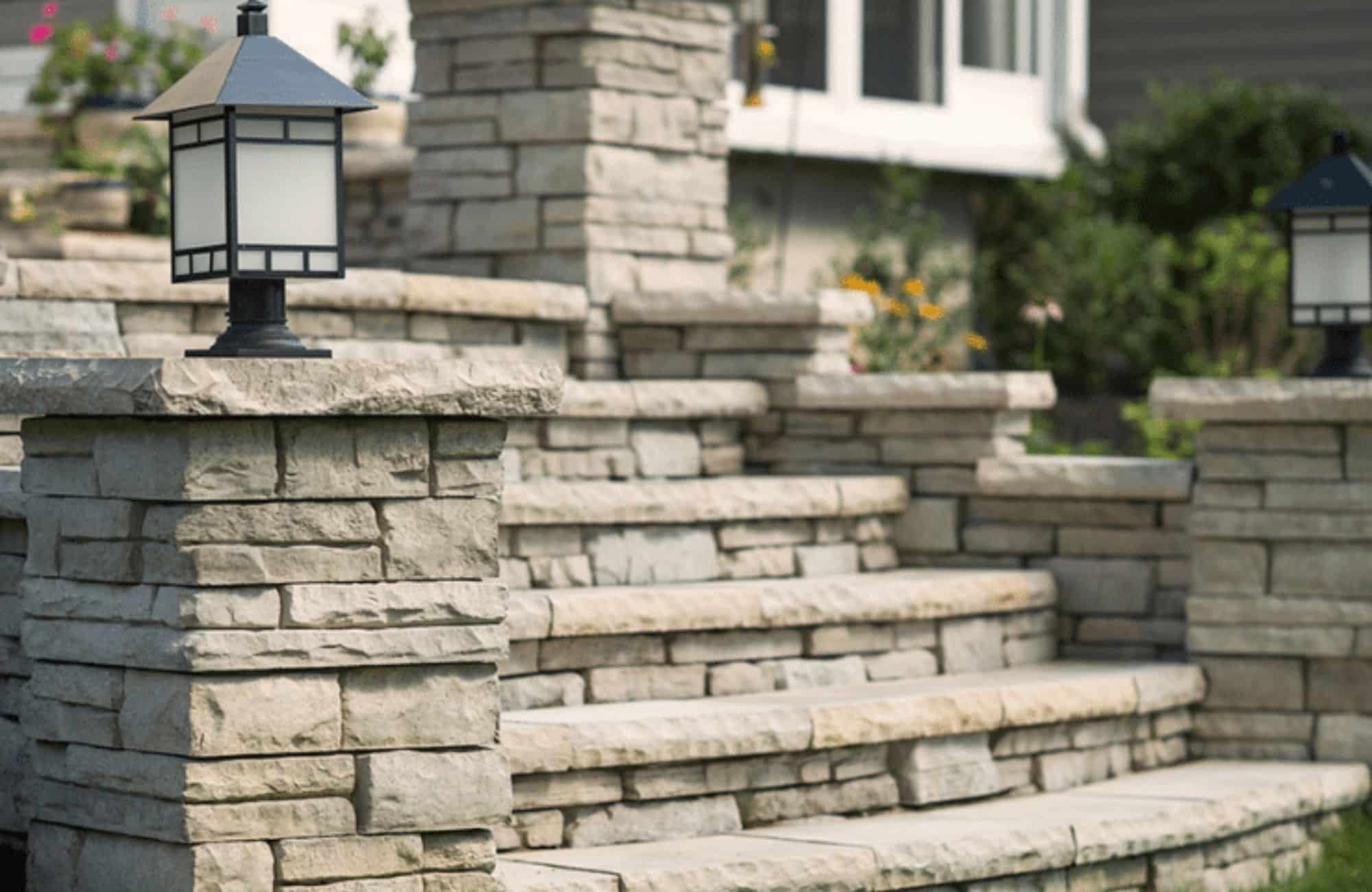
A smooth stone slab is a natural or manufactured stone slab that has been finished to create a flat, even surface. The stone itself can be bluestone, granite, limestone, marble, or even porcelain designed to resemble natural stone. What defines it is not the material alone, but the finish.
Smooth stone slabs are often used where comfort, clean lines, and a refined look matter. Compared to textured or cleft stone, they create a more modern and controlled appearance.
A Note on “Smooth Stone” in Crafting and DIY Contexts
The term “smooth stone” is sometimes used differently in DIY or digital crafting contexts. In some guides, smooth stone is described as something you create by placing stone into a furnace or crafting menu, combining two slabs to form a block.
While this language comes from virtual crafting systems, the concept is similar in real-world materials. Raw stone is processed, refined, and formed into slabs through cutting, heating, and finishing. The end goal is the same: creating a smooth, usable surface from a rough material.
How Smooth Stone Slabs Are Finished
The surface of a smooth stone slab is created through mechanical processing. Stone is cut into slabs, then finished using different methods depending on the desired result.
Before looking at the options, it helps to understand that finish affects more than appearance. It influences slip resistance, maintenance, and suitability for indoor or outdoor use.
Common finishes include:
- Honed finish, which creates a matte, smooth surface with minimal reflection and good traction for outdoor use.
- Polished finish, which produces a glossy, reflective surface often reserved for interiors.
- Thermal or brushed finishes, which may still feel smooth but add subtle texture for grip.
Smooth Stone Slab vs. Rough or Natural Cleft Stone
Rough stone slabs and natural cleft stone retain the uneven surface created when stone splits naturally. While visually appealing in rustic designs, they can be harder to clean and less comfortable underfoot.
Smooth stone slabs, by contrast, offer:
- A flatter walking surface
- Cleaner edges and lines
- Easier maintenance
- Greater versatility for modern designs
Popular Types of Smooth Stone Slabs
Not all smooth stone slabs behave the same. The underlying stone determines durability, color stability, and maintenance needs.
Bluestone Slabs
Bluestone is one of the most common smooth stone slab materials used in outdoor applications. It is durable, dense, and available in blue, gray, and earth-toned color ranges.
Bluestone slabs are often honed or thermally treated to make smooth stone suitable for patios and walkways. They hold up well to freeze-thaw cycles and can be cut into consistent slab sizes for clean layouts.
Granite Stone Slabs
Granite stone slabs are among the most durable options available. They resist scratching, moisture, and heavy loads, making them popular for high-traffic areas and commercial projects.
They can be finished smoothly while still maintaining slip resistance when treated correctly. This makes it a strong choice for entryways, plazas, and outdoor stairs.
Limestone and Marble Slabs
Limestone and marble slabs offer softer colors and a more refined appearance. These stones are often chosen for interior flooring, fireplaces, and low-traffic outdoor areas.
Because they are softer, they require more care. Smooth limestone or marble slabs must be sealed properly and protected from harsh conditions to maintain their appearance.
Porcelain Slabs as a Stone Alternative
Porcelain slabs are manufactured to mimic natural stone slabs while offering greater consistency and lower maintenance. They are resistant to staining and moisture and do not require sealing.
While porcelain is not a natural stone, it often performs better in certain applications, especially where uniformity and ease of care matter more than natural variation.
Common Uses for Smooth Stone Slabs
Smooth stone slabs are versatile because they bridge the gap between function and design. They are used both outdoors and indoors, often in projects where clean transitions and comfort matter.
Outdoor Applications
Outdoor use is where smooth stone slabs are most visible. They provide a polished look without sacrificing durability when properly selected.
Before listing applications, it is important to note that outdoor slabs must be chosen with slip resistance and drainage in mind.
Common outdoor uses include:
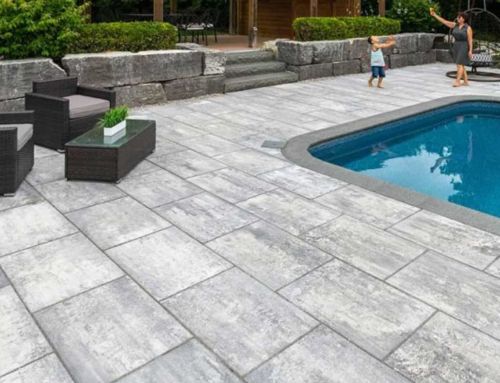
- Patios that prioritize comfort and modern aesthetics
- Walkways where even footing is important
- Pool decks with slip-resistant finishes
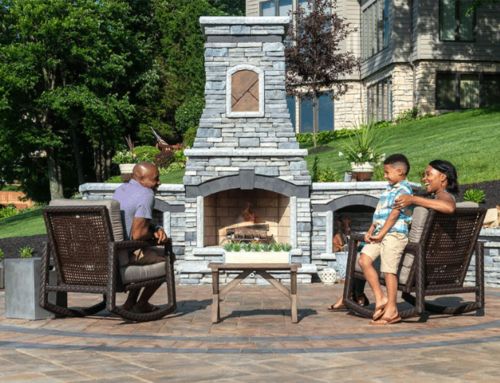
- Outdoor kitchens and seating areas
Indoor Applications
Indoors, smooth stone slabs are often used to create continuity between rooms or to add a premium finish to focal areas.
Common indoor uses include:
- Entryway flooring
- Stair treads
- Fireplace surrounds
- Open living spaces with stone floors
Residential vs. Commercial Use
Residential projects often prioritize comfort and appearance, while commercial spaces focus on durability and safety. Smooth stone slabs can serve both, but thickness, finish, and installation methods must be adjusted accordingly.
Pros and Cons of Smooth Stone Slabs
Like any building material, smooth stone slabs come with trade-offs. Understanding both sides helps avoid costly mistakes.
Advantages of Smooth Stone Slabs
Smooth stone slabs create a refined look that works across many design styles. In addition, their flat surface feels comfortable underfoot, especially in barefoot and entertaining areas. Because the finish is smooth, cleaning becomes easier compared to textured stone. According to the Natural Stone Institute, natural stone products, including stone slabs, can last 50 to 100 years or more when properly installed and maintained. This makes them a long-term investment that transitions well between indoor and outdoor spaces.
Potential Drawbacks to Consider
Despite their benefits, smooth stone slabs are not always the right choice for every project. If the finish is not selected carefully, especially in wet or high-traffic areas, smooth surfaces can increase slip risk. In addition, smooth stone slabs often come with higher material and installation costs, and many natural stone options require ongoing maintenance, such as sealing to protect against moisture and wear over time.
How to Choose the Right Smooth Stone Slab
Choosing the right smooth stone slab is about more than color or size. It requires balancing performance, appearance, and long-term care.
Finish and Slip Resistance
Finish is one of the most important decisions. A honed or lightly textured smooth stone is often safer outdoors, while polished finishes are better suited for interior spaces. Always consider how the surface will behave when wet, especially around pools or shaded patios.
Thickness and Size Considerations
Stone slabs come in various thicknesses. Thicker slabs provide greater strength and stability, especially for vehicular or high-traffic areas. Larger slabs create a seamless look but require precise installation and a well-prepared base.
Design Fit and Color Selection
Color choice affects heat absorption, visibility of dirt, and overall design harmony. Lighter stone stays cooler in the sun, while darker stone creates a bold, modern contrast.
Budget and Long-Term Maintenance
Initial cost is only part of the equation. Sealing, cleaning, and potential repairs should be factored into the long-term budget.
Installation and Maintenance Tips
Even the best smooth stone slab can fail if installed or maintained incorrectly.
Installation Basics
Proper installation begins with a stable base and good drainage. Stone slabs must be supported evenly to prevent cracking or shifting over time. Professional installation is recommended for large slabs or complex layouts.
Cleaning and Sealing
Regular cleaning prevents buildup and staining. Sealing helps protect the stone from moisture and discoloration. Maintenance routines should be adjusted based on stone type and exposure.
When a Smooth Stone Slab Is the Right Choice
Smooth stone slabs are ideal when comfort, clean design, and long-term durability matter. They work best in spaces where people gather, walk barefoot, or expect a polished finish. By understanding stone type, finish, and installation requirements, you can confidently choose a smooth stone slab that performs well and looks right for years to come.
Conclusion
Smooth stone slabs are a strong choice for projects that prioritize comfort, clean design, and long-term performance. When the right stone type, finish, and installation method are selected, they offer a balance of durability and refinement. Understanding how smooth stone slabs behave in different environments helps avoid common issues and ensures the material performs as well as it looks over time.
At Old Station Outdoor & Landscape Supply, we help homeowners and contractors choose smooth stone slabs that fit both the project and the environment. Our team can guide you through material options, finishes, sizing, and installation considerations so you can select stone that performs well and looks right for years to come. Contact us today to get expert advice and support for your next project.
FAQs
Are smooth stone slabs safe for outdoor use?
Smooth stone slabs can be safe outdoors when the correct finish is selected. Honed, thermal, or lightly textured finishes provide better traction than polished surfaces, especially in wet conditions. Safety depends less on the stone itself and more on choosing the right finish and installing proper drainage.
Do smooth stone slabs need to be sealed?
Most natural smooth stone slabs benefit from sealing to protect against moisture, stains, and weather exposure. The type of stone and where it is installed will determine how often sealing is needed. Porcelain slabs typically do not require sealing because they are non-porous.
What thickness should smooth stone slabs be for patios or walkways?
The ideal thickness depends on how the slab will be used and the base underneath it. Patios and walkways generally require thicker slabs than interior flooring to handle weight and movement. A properly prepared base is just as important as slab thickness for long-term stability.
Are smooth stone slabs more expensive than pavers?
Smooth stone slabs usually have a higher upfront cost than concrete pavers due to material quality and installation requirements. However, they often offer greater longevity and a more refined appearance. Over time, many homeowners see them as a worthwhile investment rather than a short-term solution.