The Beacon Hill Smooth slab has become a popular choice for homeowners and contractors looking for a modern, clean-lined surface for outdoor spaces. It offers a refined look that feels more contemporary than traditional textured pavers, while still delivering the durability expected from concrete products. Because many people search for it as a “slab,” there is often confusion about what it actually is and how it should be used.
This article provides a detailed overview of Beacon Hill Smooth slabs, highlighting what makes them unique. It explains how sizing and thickness affect their performance and ideal applications. Whether you’re planning patios, pool decks, or walkways, these slabs offer a sleek finish with long-lasting color. Use this guide to make an informed decision before purchasing.
What Is a Beacon Hill Smooth Slab?
Beacon Hill Smooth is a concrete paver designed to deliver the look of large-format slabs with a smooth, refined surface. It is part of the Unilock Beacon Hill line and is commonly used in projects that favor clean geometry and modern design over traditional textured stone finishes.
Beacon Hill Smooth is technically a large-format concrete paver, rather than a poured or natural stone slab. However, due to its size and flat appearance, many homeowners and installers refer to it as a slab. These units are installed individually over a prepared base, similar to traditional pavers. Once in place, they create a more continuous, slab-like surface. This combination of performance and aesthetic appeal makes Beacon Hill Smooth a popular choice for contemporary outdoor spaces.
Beacon Hill Smooth Slab Sizes, Thicknesses, and Formats
One of the most important factors when choosing a Beacon Hill Smooth slab is understanding the available sizes and thickness options. These details affect not only appearance, but also performance and cost.
Available Sizes and Layout Options
Beacon Hill Smooth offers multiple unit sizes, including random bundle configurations and XL formats. Random bundles combine several sizes in one pallet, allowing installers to create varied layouts without repeating patterns. This approach works well for patios and walkways where movement and visual interest are important.
XL units, on the other hand, create a more uniform look. Larger slabs reduce the number of joints and emphasize straight lines, which aligns well with contemporary design trends. These formats are often chosen for modern patios or high-visibility outdoor living spaces. When selecting between bundle styles and XL slabs, it helps to think about the surrounding architecture and how structured or relaxed you want the finished surface to feel.
Thickness Options (60mm vs 80mm)
Thickness plays a major role in where Beacon Hill Smooth slabs can be used safely. The two most common thicknesses are 60mm and 80mm, and each serves a different purpose.
Before choosing, it helps to understand how thickness affects strength and load capacity:
- 60mm thickness is commonly used for patios, walkways, and pool decks. It provides excellent stability for foot traffic and outdoor furniture when installed over a proper base.
- An 80mm thickness is typically reserved for heavier applications, including driveways. The additional depth helps support vehicle weight and reduces the risk of movement over time.
Selecting the correct thickness early in the planning stage prevents costly changes later and ensures the finished surface performs as expected.
Best Uses for Beacon Hill Smooth Slab
Beacon Hill Smooth slabs work best in applications where clean design and durability matter. Their consistent sizing and smooth surface make them ideal for modern outdoor spaces.
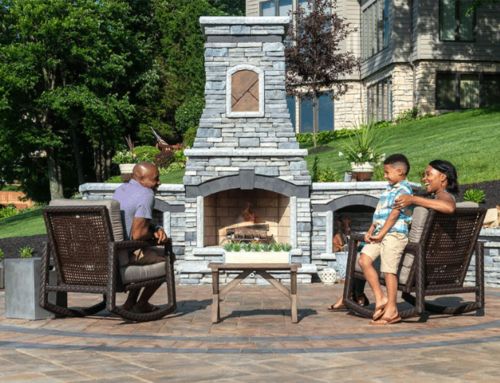
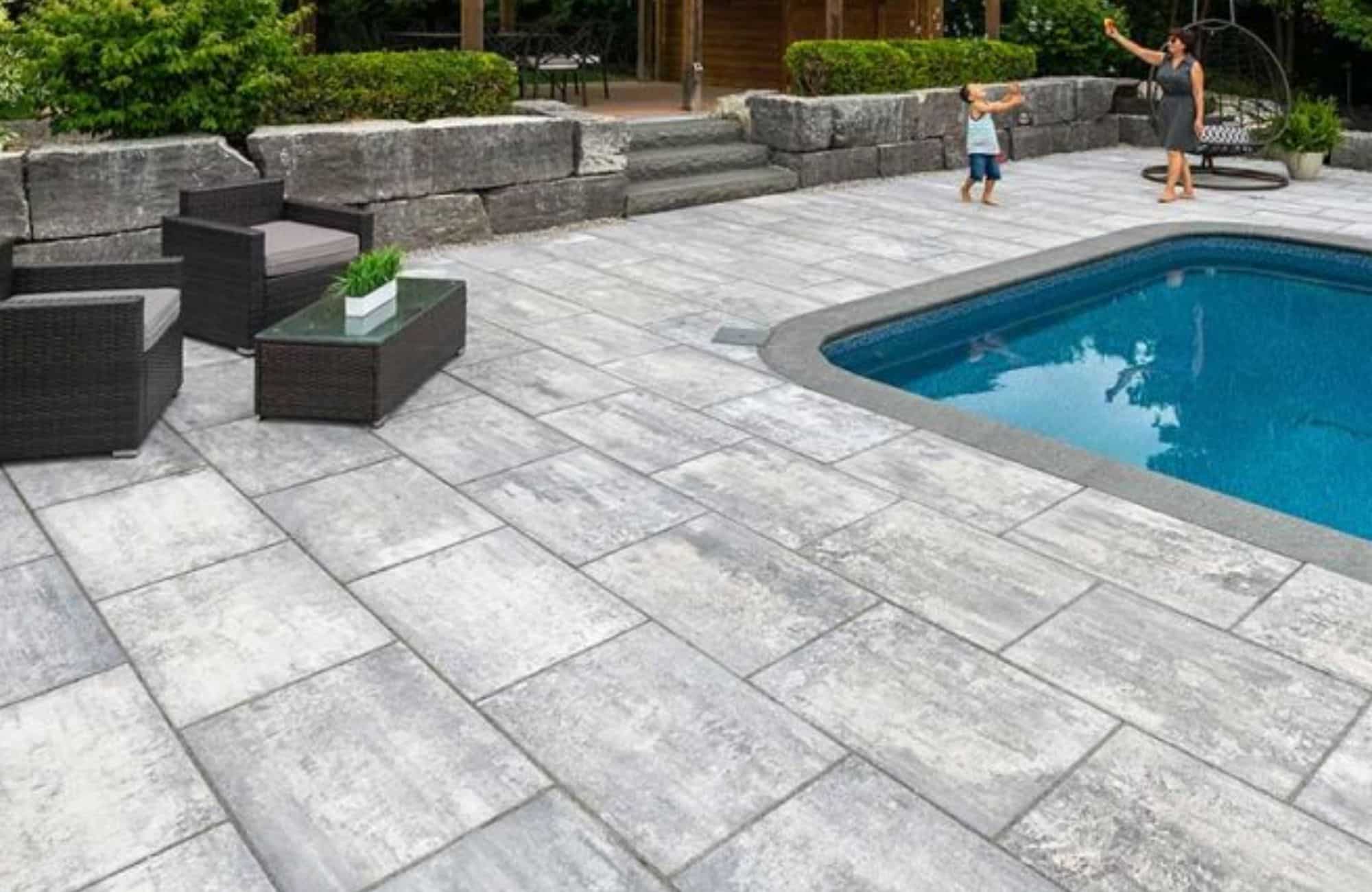
- Patios and Outdoor Living Spaces: These slabs are a popular patio choice because the smooth surface creates a clean, functional area for furniture and seating. The flat finish also helps keep tables and chairs level while providing a refined backdrop that complements landscaping and architecture.
- Pool Decks and Pool Surrounds: Beacon Hill Smooth is often used around pool decks for its cohesive, modern appearance. When properly installed with correct drainage and joint spacing, it provides a comfortable walking surface and maintains visual continuity around the pool.
- Walkways and Garden Paths: For walkways, the consistent slab dimensions create structured, intentional layouts. In garden paths, they define circulation clearly while contrasting cleanly with surrounding plantings without overpowering the space.
Design Style and Color Considerations
Choosing the right design approach and color is just as important as selecting size and thickness. Beacon Hill Smooth offers options that support both modern and transitional styles.
Modern vs Transitional Design Styles
Beacon Hill Smooth naturally aligns with modern design due to its sleek appearance and minimal surface texture. Straight lines, large slab formats, and monochromatic layouts reinforce this style.
That said, it can also work in transitional spaces when paired with softer landscaping elements or mixed materials. The key is balancing the refined surface with natural textures elsewhere in the project.
Choosing the Right Color
Color selection affects not only aesthetics but also comfort and maintenance. Lighter tones tend to reflect heat and keep surfaces cooler, which is especially important for pool decks. Darker shades create strong contrast and depth but may absorb more heat.
When evaluating colors, it helps to consider surrounding materials such as siding, stone walls, or outdoor furniture. Beacon Hill Smooth offers a contemporary color palette designed to complement modern architecture without appearing overly busy.
Installation Considerations You Should Know Before Buying
Installation quality plays a major role in how Beacon Hill Smooth slabs perform over time. Because these are large-format units, preparation and planning matter even more.
Base Preparation and Drainage
A proper base is essential for any paver or slab system. Large slabs require a stable, well-compacted foundation to prevent settling and uneven surfaces. Base depth should be adjusted based on soil conditions, slab thickness, and intended use.
Drainageis equally important. Water must be able to move away from the surface to avoid pooling and freeze-thaw damage. Slab installations that ignore drainage often experience issues regardless of product quality.
Pattern Layout and Joint Spacing
Joint spacing affects both appearance and performance. Consistent joints help manage movement and allow for proper filling materials such as polymeric sand. With Beacon Hill Smooth slabs, even small inconsistencies are noticeable due to the clean surface.
Planning the layout helps avoid awkward cuts and uneven edges, especially when working with XL formats.
Common Installation Mistakes to Avoid
Before starting any project, it helps to be aware of common errors that can compromise results:
- Skipping proper base depth to save time or material
- Choosing the wrong thickness for the application
- Failing to use edge restraints
- Rushing layout planning for large slabs
Avoiding these mistakes protects your investment and improves long-term performance.
Maintenance, Cleaning, and Long-Term Performance
Beacon Hill Smooth slabs are built for durability, but regular care helps preserve their appearance over time.
Everyday Cleaning and Seasonal Care
Routine upkeep is simple and usually involves sweeping and occasional rinsing to prevent dirt and debris from settling into joints. Seasonal cleaning is helpful in areas exposed to leaves, pollen, or pool chemicals and keeps the surface looking consistent.
Stain Resistance and EasyClean Surfaces
Some Beacon Hill Smooth options include surface treatments that improve stain resistance and make cleanup easier. These treatments reduce staining from common spills but do not eliminate maintenance, so basic care is still required for long-term performance.
How Much Does a Beacon Hill Smooth Slab Cost?
Cost is influenced by several factors, and prices can vary depending on project scope and location. Beacon Hill Smooth slab pricing is affected by size, thickness, color choice, and quantity ordered.
Installation costs also play a role. Larger slabs often require more precise handling and preparation, which can affect labor. While the initial investment may be higher than standard pavers, many homeowners find the visual impact and longevity justify the cost. Estimating square feet accurately and ordering appropriate overage helps control expenses and avoid delays.
Beacon Hill Smooth Slab vs Other Slab Options
Comparing Beacon Hill Smooth to other materials helps clarify whether it is the right fit for your project.
| Comparison | Beacon Hill Smooth Slabs | Alternative Option |
|---|---|---|
| Surface style | Smooth surface texture with clean lines and a modern look | Textured slabs emphasize natural variation and surface grip |
| Design appeal | Best suited for contemporary and minimalist designs | Often better for rustic or traditional design styles |
| Visual consistency | Uniform appearance with predictable sizing | Natural stone varies in color, thickness, and pattern |
| Installation | Easier to plan and install due to consistent dimensions | Natural stone often requires more customization and labor |
| Maintenance | Lower maintenance with easier cleaning | Higher maintenance depending on stone type |
| Cost predictability | More consistent pricing | Typically, higher and more variable costs |
| Best use case | Projects prioritizing efficiency, uniformity, and modern aesthetics | Projects where natural character and variation are the priority |
Conclusion
Beacon Hill Smooth slab is a strong option for homeowners and contractors who want a clean, modern surface without sacrificing durability. Its smooth surface texture, consistent sizing, and flexible thickness options make it well-suited for patios, pool decks, and walkways where design clarity and long-term performance matter. By understanding how it differs from traditional pavers and natural stone, you can choose the right size, layout, and installation approach for your project and avoid costly mistakes.
At Old Station Outdoor & Landscape Supply, we help homeowners and contractors choose the right materials with confidence. Whether you are planning a new patio, updating a pool deck, or designing a full outdoor space, our team can walk you through Beacon Hill Smooth slab options and recommend what works best for your project. Contact us to discuss your plans, check availability, or get expert guidance before you buy.
FAQs
What should I expect the surface of Beacon Hill Smooth to feel like?
Many users ask how smooth pavers should be after installation. On home improvement forums, DIYers note that pavers should be level and fairly flat, but minor surface variation can happen if they weren’t set with the proper tools, like a level and a dead-blow mallet. If pavers look noticeably uneven or have wide gaps, it may indicate installation issues rather than a product flaw.
Is it normal for Beacon Hill Smooth pavers to look different once installed?
Some homeowners observing recently installed Unilock Beacon Hill Smooth patios have asked whether certain surface characteristics or slight color/texture differences are typical. These discussions suggest that minor variations in finish or appearance after installation are relatively common, and many recommend checking with the installer to ensure it aligns with expectations and brand standards.
Is Beacon Hill Smooth a good choice for a pool deck?
Reddit users considering Beacon Hill Smooth for pool surrounds often seek real-world feedback before committing. While direct testimonials vary, people planning pool decks with this product are looking for insights on how it performs in wet conditions, how heat affects the surface, and how it holds up long-term around pools.
How do real users feel about the look of Unilock products like Beacon Hill?
Landscaping communities regularly request real installation photos of Unilock pavers to see how products like Beacon Hill look in finished projects. This reflects a common concern among homeowners about how the slabs will appear in real settings versus manufacturer renderings, and the value of seeing completed patios before deciding