Winter weather brings snow, ice, and the need for effective ice removal. Whether you’re a homeowner clearing your driveway or a business owner tackling a parking lot, choosing the right de-icing solution is crucial. Two common options are ice melt and rock salt, which both melt snow and prevent ice buildup but function in different ways. Rock salt has been a trusted solution for decades, while ice melt, a broader category of chemical de-icers, offers specialized options for different conditions.
In this guide, we’ll explore what is the difference between ice melt and rock salt, breaking down their pros and cons to help you choose the best product for your needs. At Old Station Outdoor & Landscape Supply, we understand the importance of selecting the right de-icing solution for various surfaces and weather conditions. We’ll focus on factors like temperature, surface type, and environmental concerns, providing you with the information needed to make an informed decision.
What is Ice Melt?
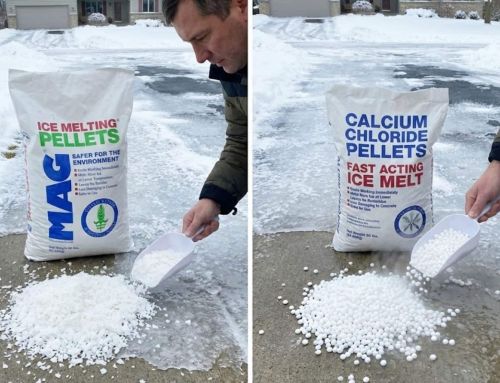
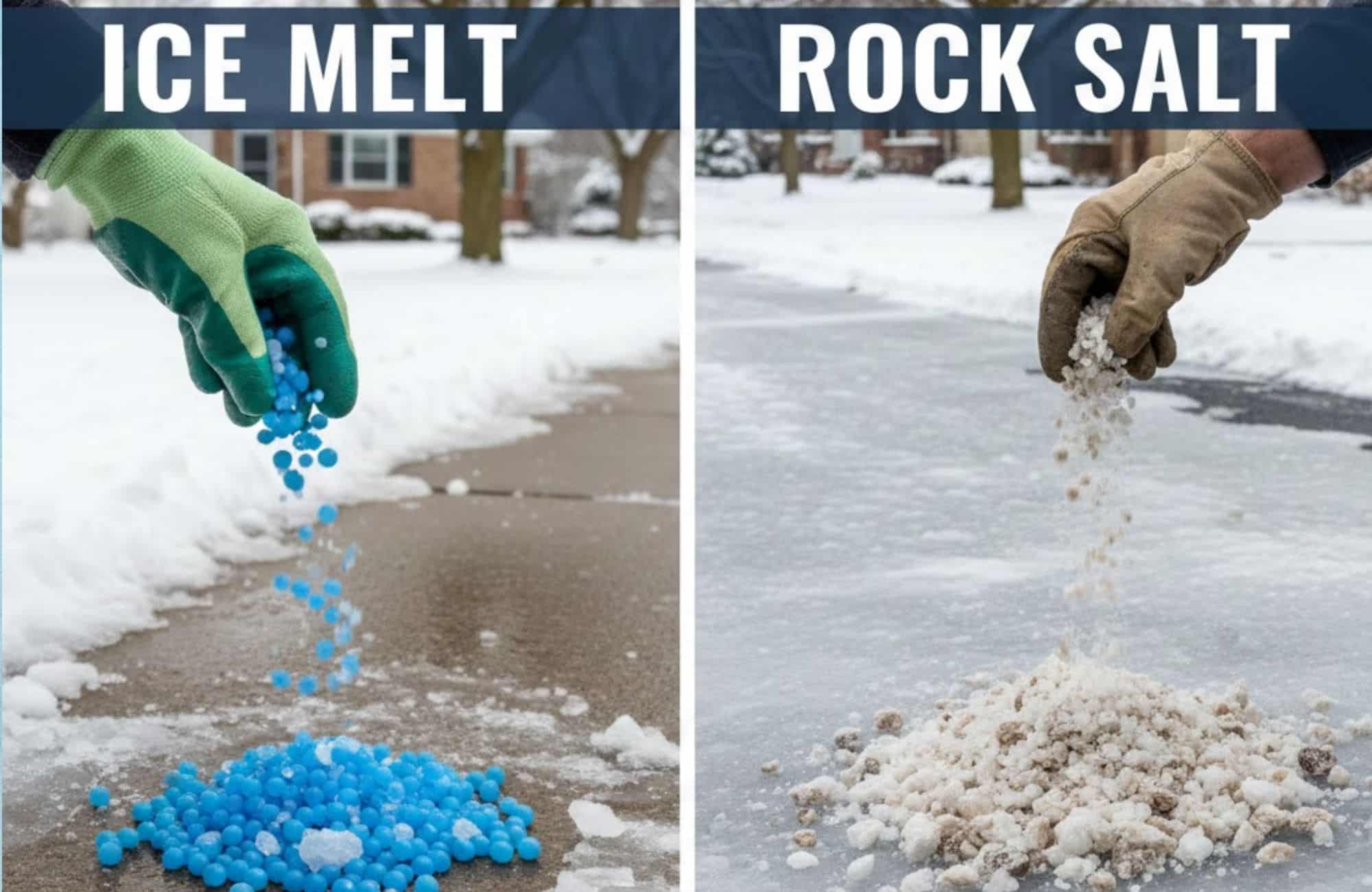
Ice melt is a category of de-icing products that includes a variety of chemicals designed to quickly melt snow and ice. Unlike rock salt (sodium chloride), which is one of the oldest and most common methods of de-icing, ice melt can contain ingredients like calcium chloride, magnesium chloride, and potassium chloride. For instance, calcium chloride can melt ice at temperatures as low as -25°F. This makes it more effective than rock salt, which works only down to about 15°F. Other types, like magnesium chloride, are often less corrosive and safer for plants and pets.
One of the main benefits of ice melt is its versatility. It can be applied to a variety of surfaces, including concrete, asphalt, and brick, without causing as much damage as rock salt. However, ice melt tends to be more expensive and may require more precise application due to the different chemicals involved. While rock salt remains a cost-effective option, ice melt provides specialized solutions for colder temperatures and surface protection.
What is Rock Salt?
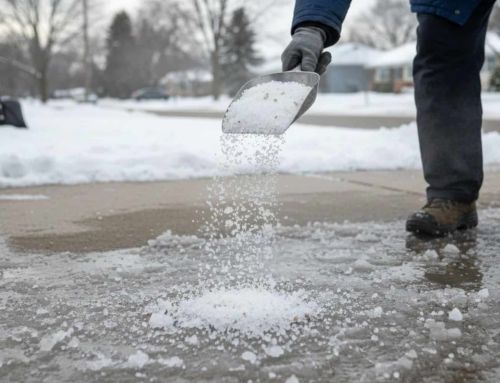
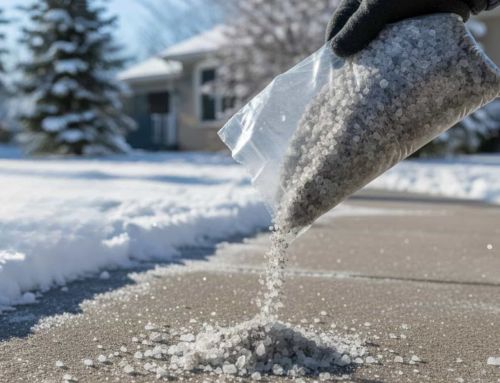
Rock salt, also known as sodium chloride, is the traditional and most widely used de-icing product. Composed of coarse, crystalline salt, it works by lowering the freezing point of water, causing ice to melt at temperatures above 15°F. While effective at preventing slippery surfaces, rock salt has several drawbacks. It’s not as effective in extremely cold weather, and it can lose its ability to melt ice when temperatures drop too low.
One of the major downsides of rock salt is its corrosive nature. It can damage concrete, asphalt, and metal surfaces, especially when used in large quantities. Over time, it can cause pitting and cracking on concrete. Additionally, rock salt’s environmental impact is significant. Its runoff can harm plant life, aquatic systems, and even pets. Despite these drawbacks, rock salt is more affordable and easily accessible, making it a popular choice for homeowners with large surfaces to cover, such as driveways or parking lots.
Key Differences Between Ice Melt and Rock Salt
Now that we’ve defined both products, let’s break down the key differences between ice melt and rock salt based on several important factors.
Effectiveness at Low Temperatures
Ice melt, such as calcium chloride, can melt ice at much lower temperatures, often as low as -25°F, making it ideal for regions with extreme winters. In contrast, rock salt is most effective when temperatures are above 15°F. Below this threshold, its performance decreases significantly, making it less suitable for colder climates.
Surface Safety
It is generally safer for concrete and asphalt, with some varieties even labeled as “safe for pets”, making them a preferred choice for homes with animals. On the other hand, rock salt can be harsh on surfaces, particularly concrete. Prolonged use may cause cracks, pitting, and corrosion on metal surfaces.
Environmental Impact
Some ice melt products are more environmentally friendly than others. For instance, magnesium chloride is less damaging to plant life and aquatic ecosystems compared to sodium chloride. In contrast, rock salt can pollute water sources and harm plants through runoff. The chloride in rock salt can also damage vegetation, including your lawn. According to the United States Environmental Protection Agency, widespread use of road salt contributes to corrosion and infrastructure damage (e.g., bridges, vehicles), leading to high maintenance and repair costs. This environmental impact is a significant consideration when choosing between ice melt and rock salt.
Price and Availability
Ice melt is typically more expensive than rock salt, especially specialized blends like calcium chloride or magnesium chloride. On the other hand, rock salt is affordable and readily available in large quantities, making it the preferred choice for covering large areas like roads and parking lots.
Pros and Cons of Ice Melt vs Rock Salt
When deciding between ice melt and rock salt, it’s important to weigh the pros and cons of each to determine which product best suits your needs. Below, we break down the advantages and disadvantages of both options based on effectiveness, cost, and environmental impact.
Ice Melt Pros:
It works at lower temperatures (down to -25°F for calcium chloride), making it effective in extreme cold. It is safer on surfaces like concrete and brick, less corrosive, and often pet-safe (depending on the brand), with a faster-acting formula in freezing conditions.
Ice Melt Cons:
It is more expensive than rock salt, can be damaging to plant life if not applied properly, and often requires precise application for maximum effectiveness.
Rock Salt Pros:
Rock salt is cost-effective, especially for larger areas, and is readily available in bulk. It works well on roads and driveways in milder winter conditions.
Rock Salt Cons:
Rock salt is ineffective in extreme cold, can damage concrete and other surfaces, is corrosive to metal, and is harmful to pets if ingested. It also has a significant environmental impact due to chloride runoff.
Which Should You Choose: Ice Melt or Rock Salt?
Deciding between ice melt and rock salt depends largely on your specific needs and circumstances.
- For colder climates: If you live in a region with extreme cold temperatures, ice melt is the better choice. Products like calcium chloride will melt ice effectively at much lower temperatures than rock salt, ensuring safety on slippery ice.
- For surfaces like concrete or asphalt: Ice melt is the safer option for driveways and sidewalks, as it’s less likely to cause damage compared to rock salt.
- For pet owners: If you have pets that roam your yard, pet-safe ice melt is essential. While rock salt can be toxic to pets’ paws and cause irritation, certain ice melt products are formulated to be safer for pets.
- For large-scale or budget-conscious applications: Rock salt is the most cost-effective solution. If you need to cover a large area like a commercial parking lot or long driveway, rock salt’s affordability makes it an attractive option.
How to Apply Ice Melt and Rock Salt Safely
When applying ice melt or rock salt, it’s important to use them properly to avoid damaging surfaces or harming the environment.
- Ice Melt Application: Apply ice melt before snowfall for maximum effectiveness, especially in extremely cold weather. Follow the manufacturer’s instructions regarding the correct amount to use to avoid waste and unnecessary environmental impact.
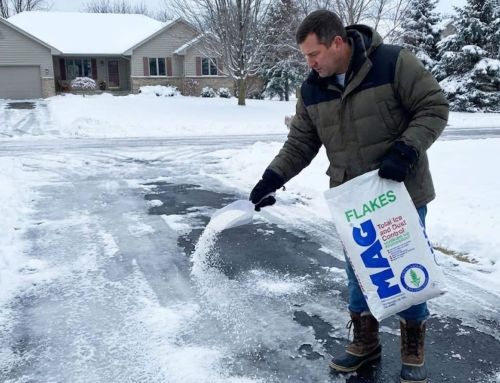
- Rock Salt Application: Apply rock salt after snow has already settled to prevent ice from bonding to the surface. Use a salt spreader for even application, and avoid excessive use, as it can cause surface damage and environmental harm.
Conclusion
Choosing between ice melt and rock salt depends on your local climate, surface type, budget, and environmental concerns. If you’re dealing with extremely cold temperatures or need a product that’s safer for pets and surfaces, ice melt is likely the better choice. However, rock salt is ideal for large properties or budget-conscious buyers, particularly in areas where temperatures don’t often drop below 15°F.
At Old Station Outdoor & Landscape Supply, we offer a wide range of de-icing products to suit every need. Whether you need ice melt or rock salt, our team is here to help you choose the best solution for your property. Contact us today to learn more about our products and how we can help you stay safe from slippery ice this winter.
FAQ
Does rock salt keep ice from melting?
Rock salt helps melt ice by lowering the freezing point of water, but it does not prevent ice from forming. It works by melting existing ice, but once the temperature drops below 15°F, its effectiveness decreases significantly. It’s a temporary solution to prevent ice buildup, not a permanent one.
Are rock salt and deicing salt the same?
Yes, rock salt and deicing salt are often the same, as both are primarily made from sodium chloride. However, deicing salt can refer to a range of salts used for ice removal, including rock salt, calcium chloride, and magnesium chloride. While rock salt is the most common, other deicers can perform better in colder temperatures.
Which salt is best for a driveway?
Rock salt is typically the best option for a driveway, especially for larger surfaces. It’s affordable, effective at temperatures above 15°F, and readily available in bulk. If you live in extremely cold climates, you may consider calcium chloride for better performance at lower temperatures.
Which salt is better, rock salt or iodized salt?
Rock salt is better for de-icing than iodized salt because iodized salt is intended for consumption, not for melting ice. Rock salt is specifically designed for melting snow and ice, and it’s more effective at lower temperatures. Iodized salt doesn’t have the same properties and would be more expensive for deicing purposes.