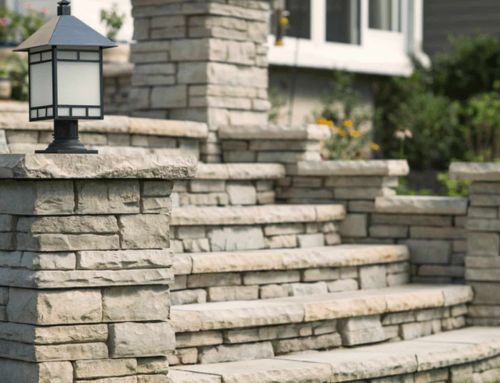
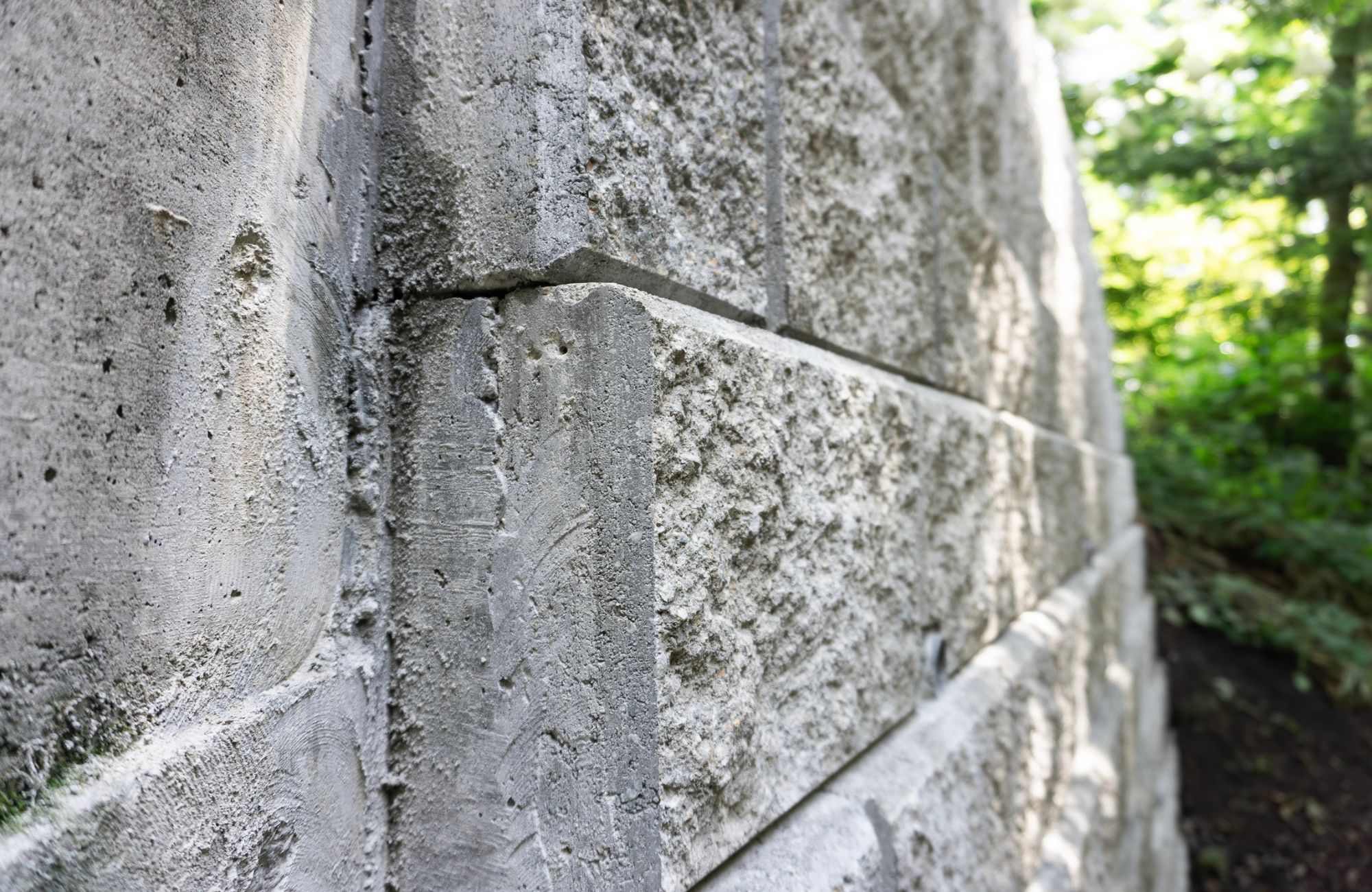
Textured retaining wall blocks have become one of the most popular choices for both residential and commercial landscape projects. They offer the structural strength needed to manage soil and elevation changes while adding visual depth and character that smooth concrete walls often lack. Whether you are a homeowner planning a backyard upgrade or a contractor designing a larger wall system, understanding how textured retaining wall blocks work can help you make better long-term decisions.
Unlike basic wall blocks, textured retaining wall blocks are designed to replicate natural stone finishes such as stacked stone, chiseled stone, or rugged quarried textures. These textures allow retaining walls to blend naturally into the surrounding landscape while maintaining durability and functionality. This guide breaks down texture styles, use cases, performance considerations, and installation factors. We’ll also discuss how to choose the right retaining wall system for your project.
What Are Textured Retaining Wall Blocks?
Textured retaining wall blocks are concrete blocks with molded or split surfaces that resemble natural stone. Unlike smooth options, they feature rugged faces, varied depths, and irregular lines for a natural appearance. They are used for retaining walls and freestanding walls where strength and appearance both matter.
These blocks are part of modular wall systems, with interlocking units engineered for stability. As a result, they complement landscapes using stone, gravel, and soil across many project sizes. Contractors and homeowners can create straight walls, curves, corners, columns, and steps without sacrificing durability.
Common Texture Styles and How They Look
Choosing the right texture is one of the most important decisions in a retaining wall project. Texture affects how the wall looks from a distance, how it ages, and how well it blends with nearby features such as patios, steps, or fire pits.
Split-Face Textured Retaining Wall Blocks
Split-face textured retaining wall blocks feature a rugged, fractured surface that mimics broken natural stone and creates strong visual depth. This bold texture works well for highly visible retaining walls, columns, and landscape features. It also helps conceal dirt and scuffs, making it practical for outdoor areas exposed to soil and water.
Tumbled or Weathered Texture
Tumbled textured retaining wall blocks have softened edges and a weathered surface that creates an aged, established look. This texture suits traditional landscapes and is commonly used for garden walls, raised planters, and low retaining walls. It blends naturally with plants and soil while complementing curved and layered wall designs.
Stacked Stone or Quarried Texture
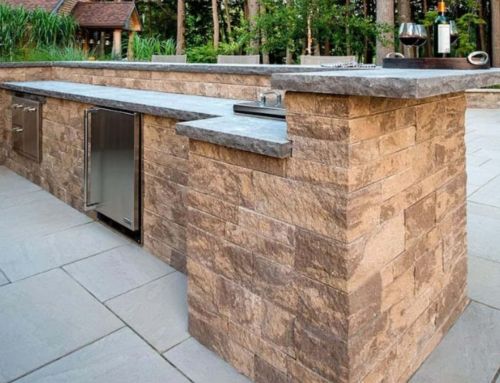
Stacked stone textured retaining wall blocks feature a layered look that resembles tightly stacked stone slabs. This texture suits modern and transitional designs where clean lines and a natural stone appearance are both desired. It works well for freestanding walls, outdoor kitchens, fire pits, and seating walls without appearing overly rugged.
Smooth Texture vs. Textured Blocks
Smooth-textured wall blocks provide a clean, uniform appearance but tend to show dirt, wear, and imperfections more easily. In contrast, textured retaining wall blocks offer greater depth and visual forgiveness, making them better suited for long-term outdoor use. They are more commonly chosen for walls that interact with soil, gravel, and plants, where texture adds lasting visual durability.
Where Textured Retaining Wall Blocks Are Commonly Used
Textured retaining wall blocks are used far beyond simple soil retention. Their versatility allows them to support both functional and decorative elements across a wide range of landscape projects.
Before looking at specific applications, it helps to understand why texture matters in outdoor environments. Walls are exposed to moisture, temperature changes, and physical contact. A textured surface helps walls age more gracefully while maintaining a natural look.
Common applications include:
- Structural retaining walls that manage elevation changes and soil reinforcement
- Garden walls and raised planting beds that frame landscape areas
- Terraced walls that break slopes into usable levels
- Freestanding walls used as seating walls or visual dividers
- Outdoor features such as fire pits, steps, columns, and water applications
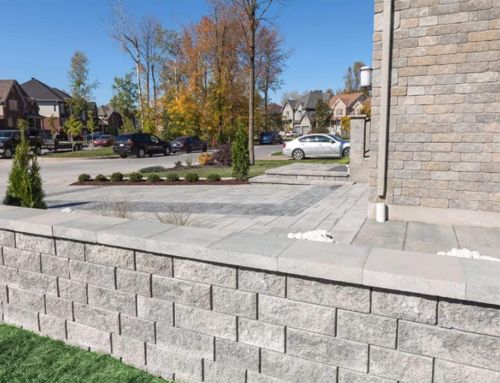
Because textured retaining wall blocks are part of modular wall systems, they can be used to create curved lines, corners, and transitions between different landscape areas. This flexibility allows homeowners and contractors to design walls that complement both natural terrain and architectural elements.
Performance and Durability Considerations
A retaining wall system must do more than look good. Performance and durability are critical, especially when walls are designed to hold back soil or support higher elevations.
Textured retaining wall blocks are engineered to withstand pressure, weather exposure, and long-term use. However, performance depends heavily on proper planning and installation. Drainage, base preparation, and soil conditions play a larger role in wall longevity than texture alone.
Before installation, it is important to consider the following factors:
- Wall height and required soil reinforcement
- Base depth and compaction using gravel
- Drainage placement behind the wall
- Soil type and moisture conditions
Most retaining wall failures result from poor drainage, as water buildup increases pressure and leads to shifting or cracking. Textured retaining wall blocks must be installed with proper drainage gravel, filter fabric, and backfill to maintain performance. Taller or load-bearing walls often require engineered designs using geogrid reinforcement to evenly distribute soil pressure.
Installation: DIY or Professional?
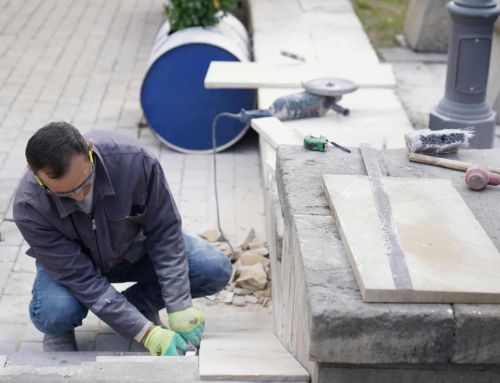
Textured retaining wall blocks can be DIY-friendly, but installation depends on wall height, complexity, and local requirements. Homeowners often install small gardens or low retaining walls using modular blocks with interlocking designs. Taller walls, curves, corners, or reinforced systems usually require experienced contractors and, in some cases, engineers.
Common installation mistakes to avoid include:
- Skipping proper base preparation
- Inadequate drainage behind the wall
- Incorrect use of cap units
- Poor alignment at corners and curves
- Ignoring soil conditions and slope pressure
Even well-designed textured retaining wall blocks cannot compensate for improper installation. Investing in professional installation for complex projects often saves time, cost, and future repairs.
Cost Factors for Textured Retaining Wall Blocks
The cost of textured retaining wall blocks varies depending on several project-specific factors. While textured blocks may have a higher upfront cost than smooth concrete wall blocks, they often provide better long-term value due to durability and appearance.
Cost is influenced by:
- Block texture and finish
- Wall height and square foot coverage
- Use of cap units and columns
- Curves, corners, and stepped designs
- Labor and installation complexity
Below is a simplified breakdown of cost drivers:
| Cost Factor | Impact Level |
|---|---|
| Texture type | Medium |
| Wall height | High |
| Drainage and base prep | High |
| Curves and corners | Medium |
| Cap units and steps | Medium |
Understanding these cost drivers helps homeowners and contractors plan realistic budgets while avoiding unexpected expenses during installation.
How to Choose the Right Textured Retaining Wall Blocks
Selecting the right textured retaining wall blocks starts with understanding the purpose of the wall. A wall designed to retain soil requires different considerations than a freestanding decorative wall.
- Identify the function of the wall: Structural retaining walls need engineered wall systems with proper reinforcement, while garden walls and low landscape features allow more flexibility in block shapes and textures.
- Consider the desired look: Rugged split-face textures work well for bold designs, while tumbled or stacked stone textures complement softer or modern landscapes. Color selection should also match nearby elements such as home exteriors, patios, and walkways.
- Factor in maintenance and long-term durability: Textured surfaces hide wear better than smooth textures and maintain visual appeal even after years of exposure. Choosing a durable retaining wall system ensures the wall remains both functional and beautiful over time.
Conclusion
Textured retaining wall blocks combine structural performance with natural-looking design, making them a practical and visually appealing solution for many landscape projects. With multiple texture styles, flexible layouts, and proven durability, they work well for retaining walls, garden walls, and freestanding features. Choosing the right texture, planning for drainage and reinforcement, and matching the system to your project goals are key to building a wall that lasts and looks right over time.
At Old Station Outdoor & Landscape Supply, we help homeowners and contractors select the right textured retaining wall blocks for their specific project, style, and site conditions. Our team can walk you through texture options, wall systems, and installation considerations to help you plan with confidence. Contact us today to discuss your project, check availability, or get expert guidance before you build.
FAQs
What is the difference between textured and smooth retaining wall blocks?
Textured retaining wall blocks have molded or split surfaces designed to resemble natural stone, while smooth blocks have flat, uniform faces. Textured blocks offer better visual depth and tend to hide dirt and wear more effectively. They are often chosen for visible wall projects where appearance matters.
Do textured retaining wall blocks hide dirt better than smooth blocks?
Yes, textured blocks generally hide dirt, stains, and minor scuffs better than smooth concrete wall blocks. The uneven surface and natural shadows help mask imperfections over time. This makes textured blocks a practical choice for outdoor environments.
How high can you build with textured retaining wall blocks?
Wall height depends on the specific retaining wall system, soil conditions, and whether reinforcement is used. Many systems allow low walls without reinforcement, while taller walls require geogrid and engineered designs. Always check manufacturer guidelines and local regulations.
Are textured retaining wall blocks stronger than concrete sleepers?
Textured retaining wall blocks and concrete sleepers serve different purposes. Modular retaining wall blocks are designed to interlock and distribute pressure evenly. This makes them suitable for curved and terraced walls. Strength depends more on installation and reinforcement than on texture alone.