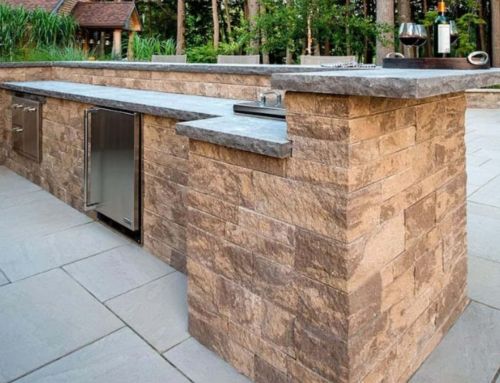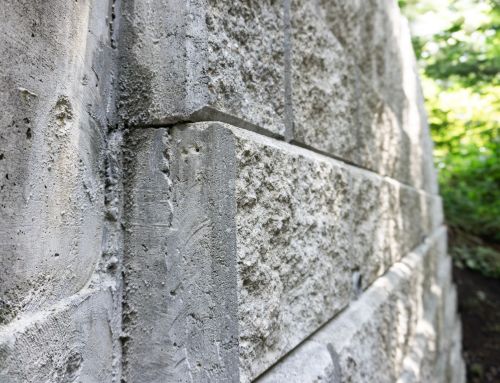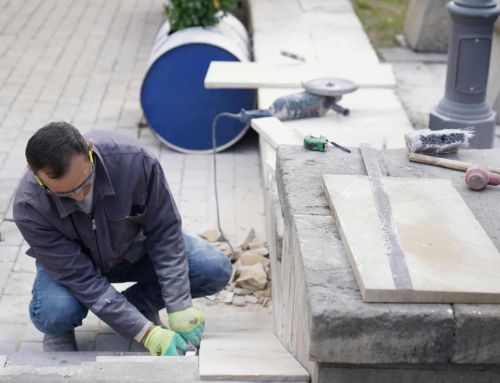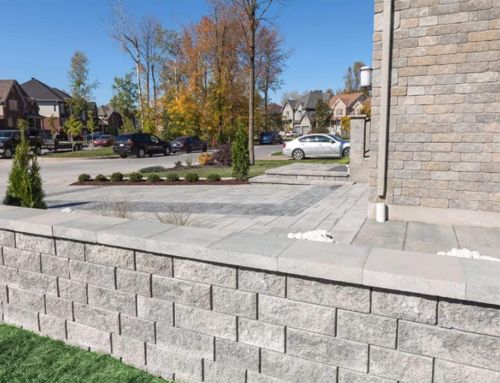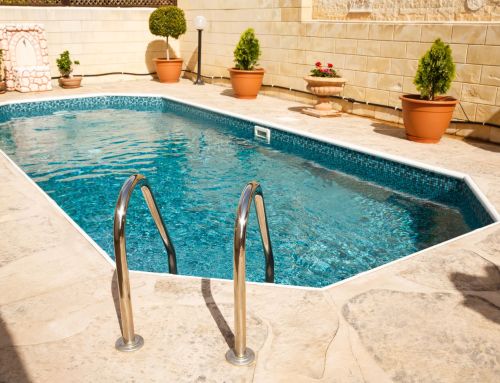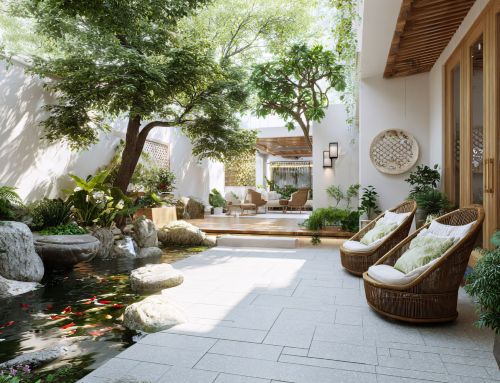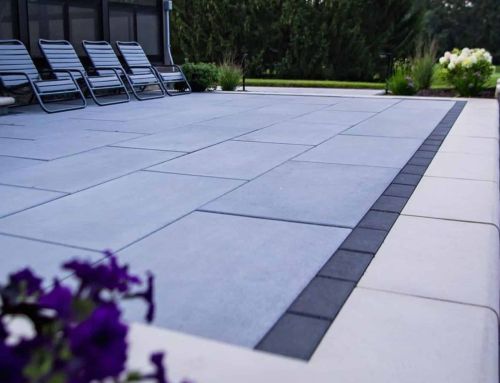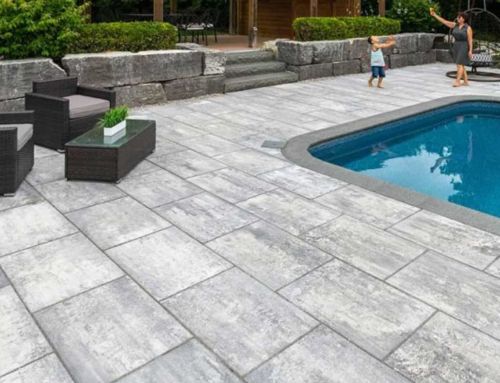
Smooth sandstone slabs are increasingly popular for outdoor spaces like patios, pathways, and driveways due to their aesthetic appeal and durability. Whether you’re a seasoned landscaper or a homeowner tackling a DIY project, smooth sandstone offers a sleek, modern look and the ability to withstand the elements. This versatile material combines beauty and practicality, making it a go-to choice for homeowners looking to elevate their outdoor spaces.
In this article, we will cover the benefits of smooth sandstone slabs, installation tips, maintenance guidelines, and creative design ideas to help you make the most of your outdoor area. By the end, you’ll have everything you need to decide if smooth sandstone slabs are the perfect material for your next landscaping project. For high-quality smooth sandstone slabs, consider Old Station Outdoor & Landscape Supply as your trusted supplier. They offer durable and beautifully crafted materials for all your outdoor needs.
What is a Smooth Sandstone Slab?
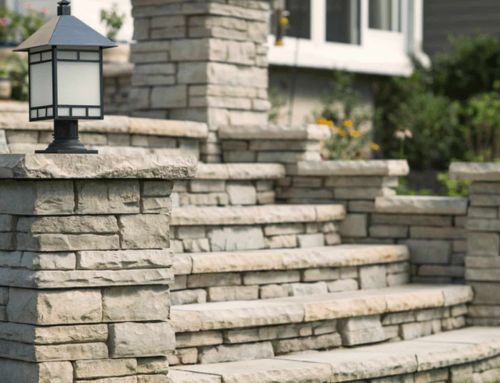
Smooth sandstone slabs are large, flat stones commonly used for outdoor paving, prized for their even surface and honed finish. Made from natural sandstone, a sedimentary rock, these slabs offer a sleek, sophisticated look while being comfortable to walk on. According to National Geographic Education, sandstone is one of the best-known clastic sedimentary rocks, formed by the compaction of sandy sediment layers. Its formation process, lithification over millions of years, contributes to its structural integrity and long-term stability as a building and paving material. Their smooth texture provides a modern aesthetic that fits various design styles, and each slab features unique variations in texture and color, adding character to any landscape.
Benefits of Smooth Sandstone Slabs
Smooth sandstone slabs offer numerous benefits, making them a popular choice for outdoor paving projects. Their combination of durability, aesthetic appeal, and low maintenance requirements makes them an excellent investment for homeowners and landscapers alike.
Durability and Longevity
One of the standout features of smooth sandstone slabs is their exceptional durability. Sandstone is a robust material that holds up well under both harsh weather conditions and regular foot traffic. The natural stone is resistant to cracking and weathering, making it an ideal choice for outdoor applications. Whether exposed to intense sunlight, heavy rain, or freezing temperatures, smooth sandstone slabs maintain their integrity and appearance for many years.
- Weather Resistance: Sandstone can withstand rain and sunlight without fading, ensuring your patio or garden path retains its look over time.
- Scratch Resistance: The smooth finish prevents dirt and debris from getting trapped, making it easier to maintain compared to rougher stones.
- Longevity: Properly installed and maintained, smooth sandstone can last for decades, offering long-term value for your landscaping investment.
Low Maintenance Requirements
Another reason why smooth sandstone slabs are so popular is their low-maintenance nature. Unlike other materials like wood or asphalt, which require regular sealing or refinishing, smooth sandstone only needs periodic cleaning to maintain its pristine appearance. Simply using a mild soap solution and a soft brush can keep the surface free from dirt, stains, and algae buildup.
Aesthetic Appeal
Smooth sandstone slabs bring an understated, elegant touch to outdoor spaces. Their subtle texture and natural color variations give patios, paths, and other paved areas a sophisticated look, blending seamlessly with both modern and traditional landscaping designs. Whether you’re looking for neutral tones or warm reds and browns, smooth sandstone can complement a variety of outdoor settings.
The smooth surface also makes it a preferred choice for areas with heavy foot traffic, as it provides a safe, even surface to walk on while still maintaining its style.
How to Install Smooth Sandstone Slabs
Installing smooth sandstone slabs requires some basic knowledge of paving techniques. With proper preparation and attention to detail, you can achieve a beautifully paved area that will last for years. Here’s how to install them:
- Prepare the Site: The first step in any paving project is to properly prepare the area where the slabs will be laid. Begin by measuring the space to determine how many slabs you will need. Excavate the ground to a depth of about 4–6 inches to remove any grass, roots, or debris.
- Lay the Subbase: To ensure proper drainage and stability, lay down a gravel or crushed stone subbase. This layer should be roughly 3–4 inches thick and evenly spread across the prepared site. Use a tamper to compact the gravel for a solid foundation.
- Install the Sandstone Slabs: Start laying the slabs from one corner of the area, working outward. Leave a small gap (about 1/4 inch) between each slab to allow for expansion and contraction. Depending on the weather conditions, you may either dry lay the slabs or use a mortar bed to set them in place.
- Fill the Joints: Once all the slabs are laid, fill the joints with jointing sand to secure them in place. Sweep the sand into the gaps and use a rubber mallet to gently tap the slabs into position. This will help prevent shifting and create a stable surface.
- Seal the Slabs (Optional): To protect the slabs from stains and weather damage, consider applying a stone sealant. This step will also enhance the color of the sandstone, providing an additional layer of protection from the elements.
Maintenance Tips for Smooth Sandstone Slabs
Although smooth sandstone slabs are low-maintenance, proper care will extend their lifespan and maintain their appearance. Here are some essential tips for cleaning and maintaining your slabs:
- Regular Cleaning: Sweep the slabs regularly to remove dirt and leaves. For deeper cleaning, use a soft-bristled brush with warm, soapy water to scrub the surface.
- Avoid Harsh Chemicals: Steer clear of strong acid-based cleaners, as they can damage the sandstone. Always test any cleaner in an inconspicuous spot before using it on the entire surface.
- Seal Annually: If you choose to seal your slabs, consider doing so annually to protect the surface from stains and moisture damage.
- Prevent Moss and Algae Growth: Use a gentle anti-fungal cleaner to remove any moss or algae that may accumulate, especially in damp, shaded areas.
Design Ideas with Smooth Sandstone Slabs
Smooth sandstone slabs are incredibly versatile and can be used in a wide range of outdoor design projects. Here are a few creative ideas for using them:
Patio Designs
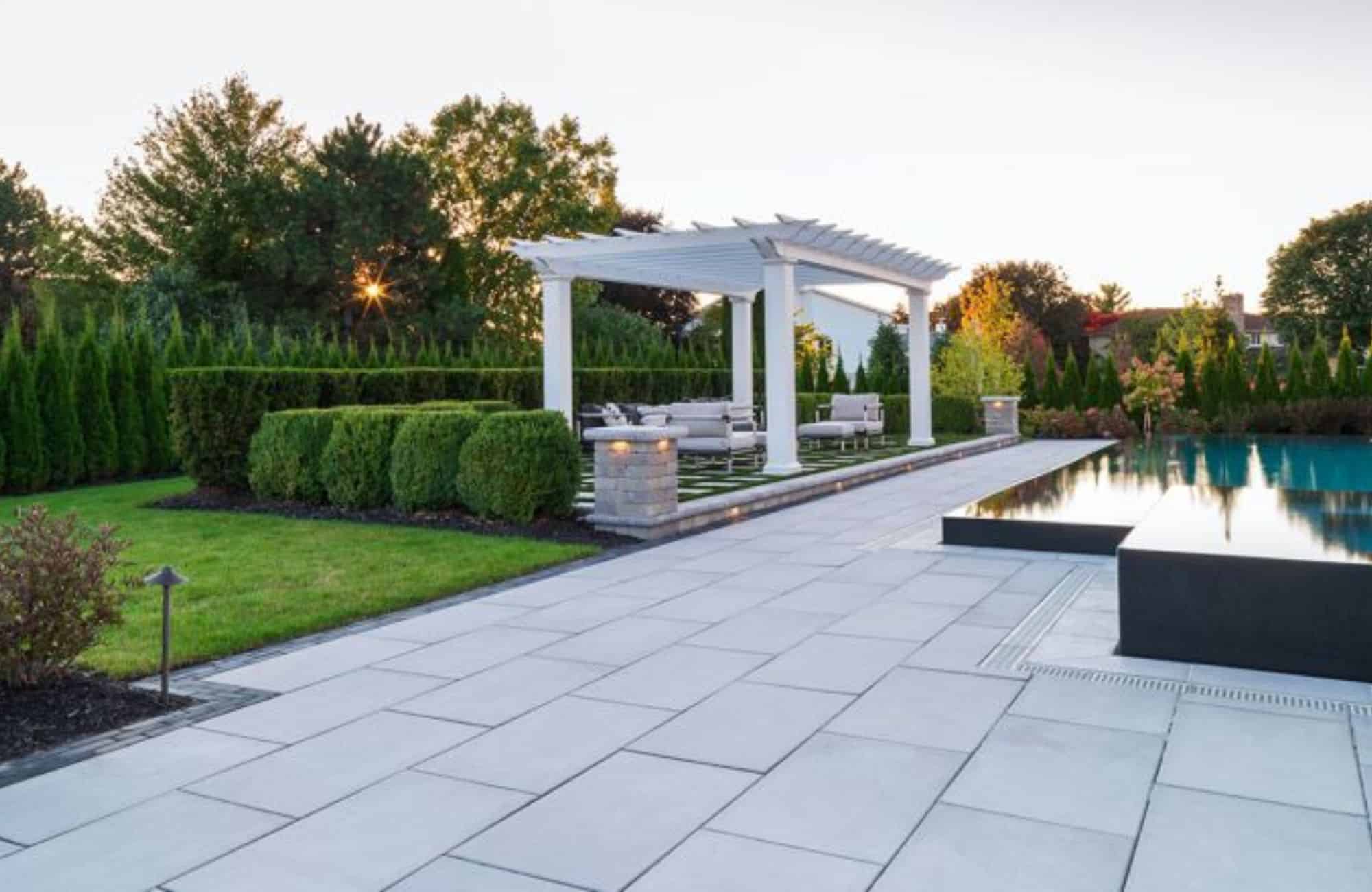
They are perfect for creating a stylish and functional outdoor patio. You can arrange them in geometric patterns or irregular shapes to add variety to your design.
Walkways
Use smooth sandstone to create elegant walkways that guide visitors through your garden. The smooth surface ensures a comfortable walking experience, while the natural stone look blends seamlessly with greenery.
Garden Edging
Place smooth sandstone slabs along the edges of flower beds or lawns for a clean, polished look that complements your landscaping.
How Does Smooth Sandstone Compare to Other Stones?
When considering paving materials, it’s important to weigh the benefits and drawbacks of each. Here’s a quick comparison of smooth sandstone with other popular options:
| Material | Durability | Aesthetic Appeal | Maintenance | Cost |
|---|---|---|---|---|
| Smooth Sandstone | High | Elegant & Natural | Low | Moderate |
| Concrete | Moderate | Uniform but less natural | Moderate | Affordable |
| Slate | High | Rich & Textured | Moderate | High |
| Limestone | Moderate | Warm, Traditional | Moderate | Moderate |
Smooth sandstone stands out for its balance of cost, durability, and aesthetic versatility, making it ideal for modern landscapes.
Conclusion
Smooth sandstone slabs offer a unique blend of durability, aesthetic appeal, and low maintenance. This makes them an excellent choice for outdoor paving projects. Their sleek, modern look, combined with their ability to withstand the elements, ensures that they remain a stylish and practical option for patios, pathways, and driveways. With proper installation and care, smooth sandstone can enhance the beauty and functionality of your outdoor spaces for years to come.
At Old Station Outdoor & Landscape Supply, we provide a wide selection of high-quality smooth sandstone slabs to suit your landscaping needs. Whether you’re designing a patio, garden path, or driveway, our team is here to guide you in selecting the perfect material for your project. Contact us today to learn more about our products and how we can help bring your outdoor vision to life.
FAQs
Why do smooth sandstone slabs sometimes look different from cut or detailed finishes?
Smooth sandstone slabs differ from cut or detailed finishes because they are polished or sanded, giving them a uniform, glossy appearance. In contrast, honed or textured finishes have more variation and a rougher surface. These differences arise from the distinct methods used to shape and treat the stone.
Can smooth sandstone slabs be cut or shaped on-site for custom projects?
Yes, smooth sandstone slabs can be cut or shaped on-site using the right tools, such as diamond blade saws or wet saws. On-site cutting allows for custom shapes and sizes to fit specific project requirements. Professional tools ensure precise and safe modifications.
What tools work best for cutting 22 mm smooth sandstone slabs?
Diamond blade saws and wet saws are best for cutting 22 mm smooth sandstone slabs, offering clean and precise cuts. Angle grinders with diamond blades are also useful for smaller cuts. Always use wet cutting methods to minimize dust.
Is there a reason some slabs or stone types lack matching stair or wall components?
Some slabs or stone types lack matching stair or wall components due to natural stone variability and limited material availability. Custom cutting may also be required for matching components, which isn’t always feasible. Additionally, designers sometimes intentionally use contrasting stone pieces for aesthetic purposes.