Choosing the right wall block can determine whether your outdoor project lasts decades or starts shifting within a few seasons. For retaining walls, raised patios, and freestanding garden features, the Semma wall block offers a balance of structural strength and finished aesthetics that contractors and homeowners rely on for long-term performance.
In this guide, we break down how the semma wall block works, where it performs best, what makes it structurally sound, and what to consider before building. Drawing on the experience and product expertise at Old Station Outdoor & Landscape Supply, we highlight practical insights that apply to real-world projects. Whether you are designing garden walls, solving a raised patio quandary, or building a structural wall, this article will help you make confident decisions.
What Is a Semma Wall Block?
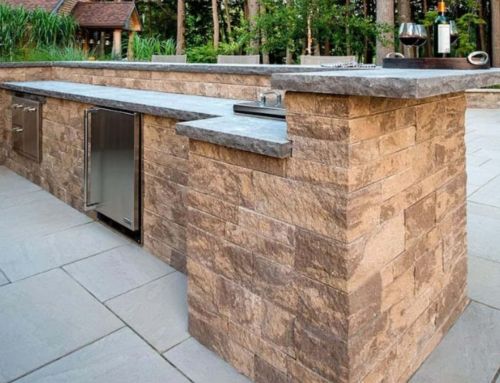
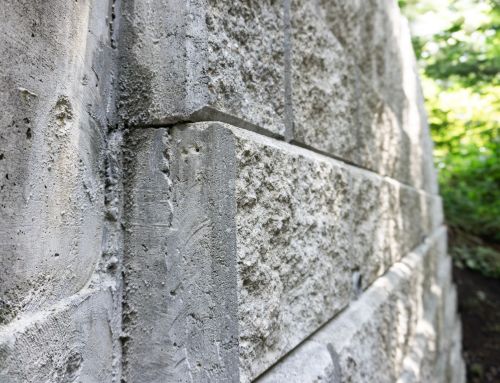
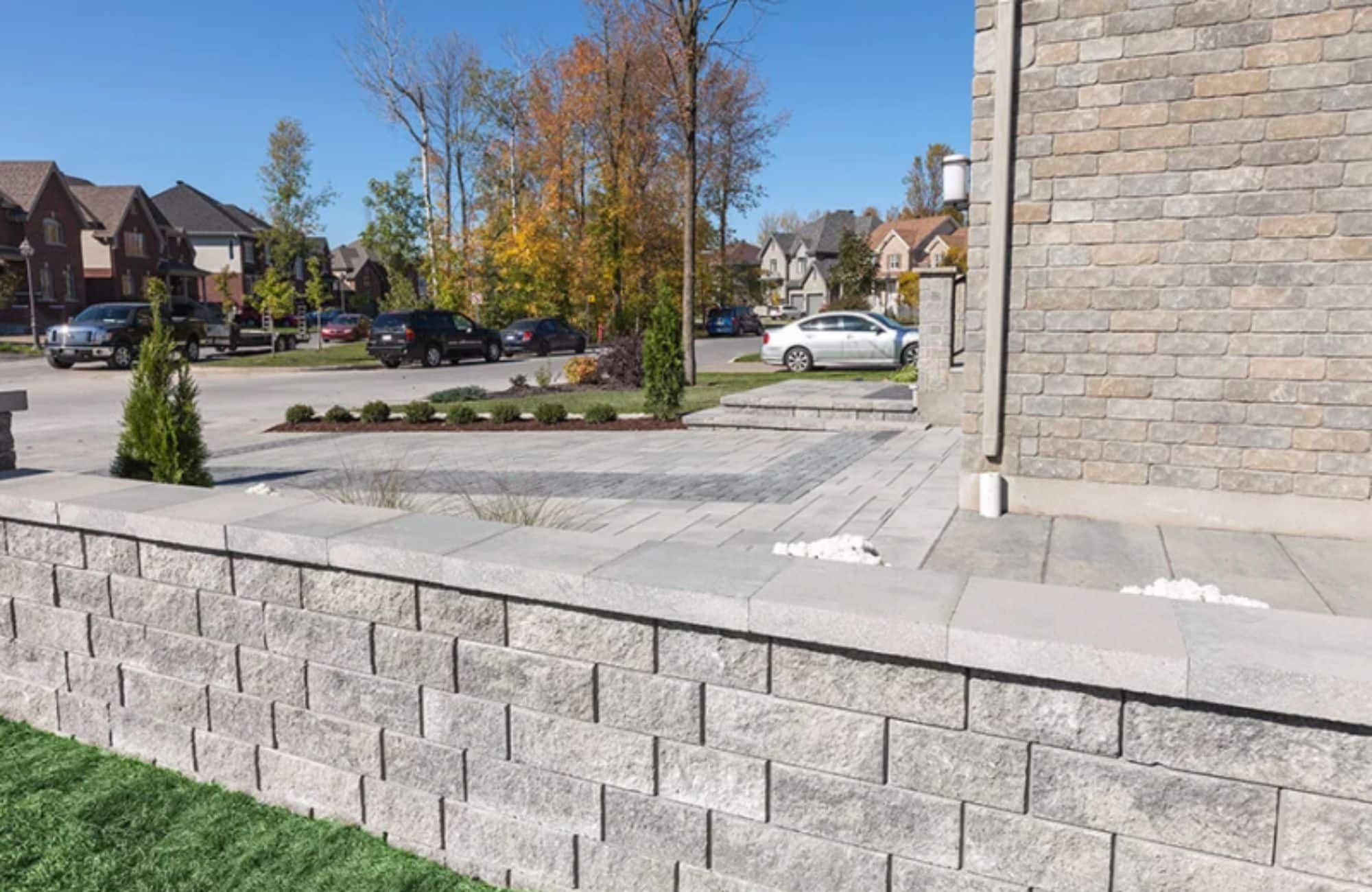
A Semma wall block is a double-sided segmental retaining wall block engineered to deliver both structural performance and visual consistency. Unlike single-faced systems that require a finished back, Semma blocks are textured on both sides, making them ideal for walls that remain visible from every angle.
The system is part of the Techo-Bloc family of wall products and is engineered with independent mechanical interlock, tapered sides, and contractor gravel-filled cores. These features allow each block to lock tightly with adjacent units. It creates strong block contact and reliable joint dispersion across the wall. At its core, the semma wall block is built to handle vertical or battered wall applications while maintaining aesthetic appeal and long-term stability.
Where Semma Wall Blocks Work Best
One of the biggest advantages of the semma wall system is its flexibility. It adapts well to many landscape designs and functional needs, making it a great solution for a wide range of outdoor projects.
Before getting into specific applications, it helps to understand why this system stands out. The 16-inch double-sided format allows walls to be finished cleanly on both sides, eliminating the need for additional facing materials. Combined with tapered sides and mechanical interlock, the wall can follow straight runs or gentle curves while maintaining strength.
Common uses include:
- Raised patios and parapet walls, where the integrated coin detail creates a polished finish and adds drama to outdoor spaces
- Garden walls and seat walls, where double-sided segmental retaining blocks keep both sides visually consistent
- Free-standing walls, such as privacy walls or landscape dividers, without sacrificing stability
- Structural retaining walls, including vertical and battered wall designs on slopes
These applications benefit from the wall’s high shear resistance and void-fill interlock, especially when contractor gravel is used to fill the cores as specified.
Key Features That Set Semma Wall Blocks Apart
The performance of any retaining wall depends on how effectively each block locks and transfers load to the next. The Semma wall block system is engineered with complementary features that work together to improve stability, durability, and visual consistency.
Before listing these features, it is important to understand that none of them work in isolation. The strength of this system comes from how block contact, interlock, and joint dispersion combine into one structure.
Key features include:
- Independent mechanical interlock, which allows each block to lock into place without pins or adhesives for most applications
- Void fill interlock and gravel-filled cores, improving mass and stability for structural walls
- Tapered sides, enabling smooth curves and consistent bond patterns
- Integrated coin detail, providing a finished look for parapets and raised patios
- Double-sided segmental retaining design, eliminating exposed unfinished backs
Together, these features allow the wall to resist movement, manage load distribution, and maintain its polished finish over time.
Understanding Semma Wall Block Installation Basics
While the Semma wall block is engineered for performance, proper installation is critical to long-term success. Most wall failures result from base preparation or drainage shortcuts rather than the block system itself.
Base Preparation and Layering
Every successful wall starts with a solid base. The base supports the entire structure and ensures that the wall remains level and stable over time.
A typical base includes:
- Excavation deep enough to account for frost depth and wall height
- A compacted aggregate base layer to prevent settlement
- Careful leveling before placing the first course
The first layer of blocks must be perfectly level. Any error at this stage multiplies as the wall gains height, especially with vertical or battered wall designs.
Drainage and Stability Considerations
Drainage is essential for any retaining wall, especially in climates with freeze–thaw cycles. Without proper drainage, hydrostatic pressure builds behind the wall and can compromise long-term stability. According to the United States Environmental Protection Agency, improper site drainage allows rain and snowmelt to damage structures and their components during and after construction, and drainage mistakes are often difficult and costly to correct once a structure is in place.
A proper drainage setup usually includes:
- Contractor gravel-filled cores and backfill
- A perforated drain pipe is placed behind the base course
- Filter fabric to prevent soil migration
These elements work together to protect the wall’s structure and preserve its shear strength.
Gravity Walls vs. Reinforced Walls
Not every wall needs reinforcement, but knowing when reinforcement is required is key.
In general:
- Lower walls may function as gravity walls, relying on block weight and interlock
- Taller structural walls or walls supporting slopes often require reinforcement, such as a geogrid
Understanding this distinction ensures the wall is designed correctly for its load conditions and complies with local building standards.
How Many Semma Wall Blocks Do You Need?
Estimating materials is one of the most common challenges when planning a wall. While exact quantities depend on design details, you can get a reasonable estimate by understanding how the system works.
Before calculating, measure:
- Total wall length
- Planned wall height
- Whether the wall includes curves, corners, or semma pillars
Once you have measurements, consider the following:
- Each layer uses a consistent number of blocks per linear foot
- Taller walls require additional layers and possibly reinforcement
- Waste and cuts should always be factored in
Because semma wall blocks are often sold by pallet, working with a knowledgeable supplier ensures you order enough material without unnecessary overage.
Semma Wall Block Pricing: What Influences Cost?
Pricing for semma wall blocks can vary depending on several factors. Rather than focusing on a fixed number, it is more helpful to understand what drives cost.
Key pricing factors include:
- Block size and color selection
- Quantity ordered and pallet configuration
- Caps, parapets, or light features integrated into the design
- Delivery distance and site access
For most projects, requesting a quote based on your specific wall design ensures accurate pricing and avoids delays during building time.
When Is Semma the Right Choice?
The semma wall block is an ideal solution when both sides of the wall remain visible or when design flexibility matters. It excels in projects where aesthetic appeal and structure must work together.
It is particularly well-suited for:
- Raised patios where parapet walls add drama and polish
- Free-standing walls in outdoor spaces that require a consistent finish
- Garden walls and seating walls where appearance matters on both sides
- Structural walls require tremendous shear strength and stability
In contrast, single-faced retaining wall systems may be more appropriate for buried applications where only one side is visible.
Conclusion
The Semma wall block is a durable, high-impact solution for retaining walls, raised patios, garden walls, and freestanding structures. Its double-sided segmental design and mechanical interlock create strong structural performance with a clean, consistent finish. Gravel-filled cores add mass and improve load resistance, supporting long-term wall stability. When properly planned and installed, the system delivers flexibility for a wide range of outdoor designs. As a result, it remains a reliable choice for homeowners and contractors working on projects of any scale.
At Old Station Outdoor & Landscape Supply, we help homeowners and contractors choose the right semma wall block for their specific project, from estimating materials to coordinating pickup or delivery. Whether you are planning a raised patio, structural retaining wall, or garden feature, our team is here to guide you through the process and ensure the best results. Contact us today to discuss your project, request a quote, or get expert advice on building with semma wall blocks.
FAQs
Do Semma wall blocks require special maintenance over time?
Semma wall blocks require minimal maintenance when properly installed. The concrete construction and mechanical interlock are built to withstand weather exposure and freeze–thaw cycles. Occasional inspection of drainage and surface cleaning is usually sufficient.
How high can a Semma wall be built?
Semma wall height depends on wall design and site conditions. Short walls may function as gravity walls, while taller walls typically require reinforcement such as geogrid. Maximum height also varies by local building codes and soil conditions.
Are Semma wall blocks good for curved walls?
Yes, Semma wall blocks work well for curved walls. The tapered sides allow smooth radius curves while maintaining block contact and structural stability. This makes them suitable for garden walls, seating walls, and landscape features.
Do Semma wall blocks need caps or coping?
Caps or coping are optional but commonly used with Semma wall blocks. They are often added to free-standing walls, parapets, and raised patios for a finished look and added protection. While not always structurally required, caps improve durability and appearance.