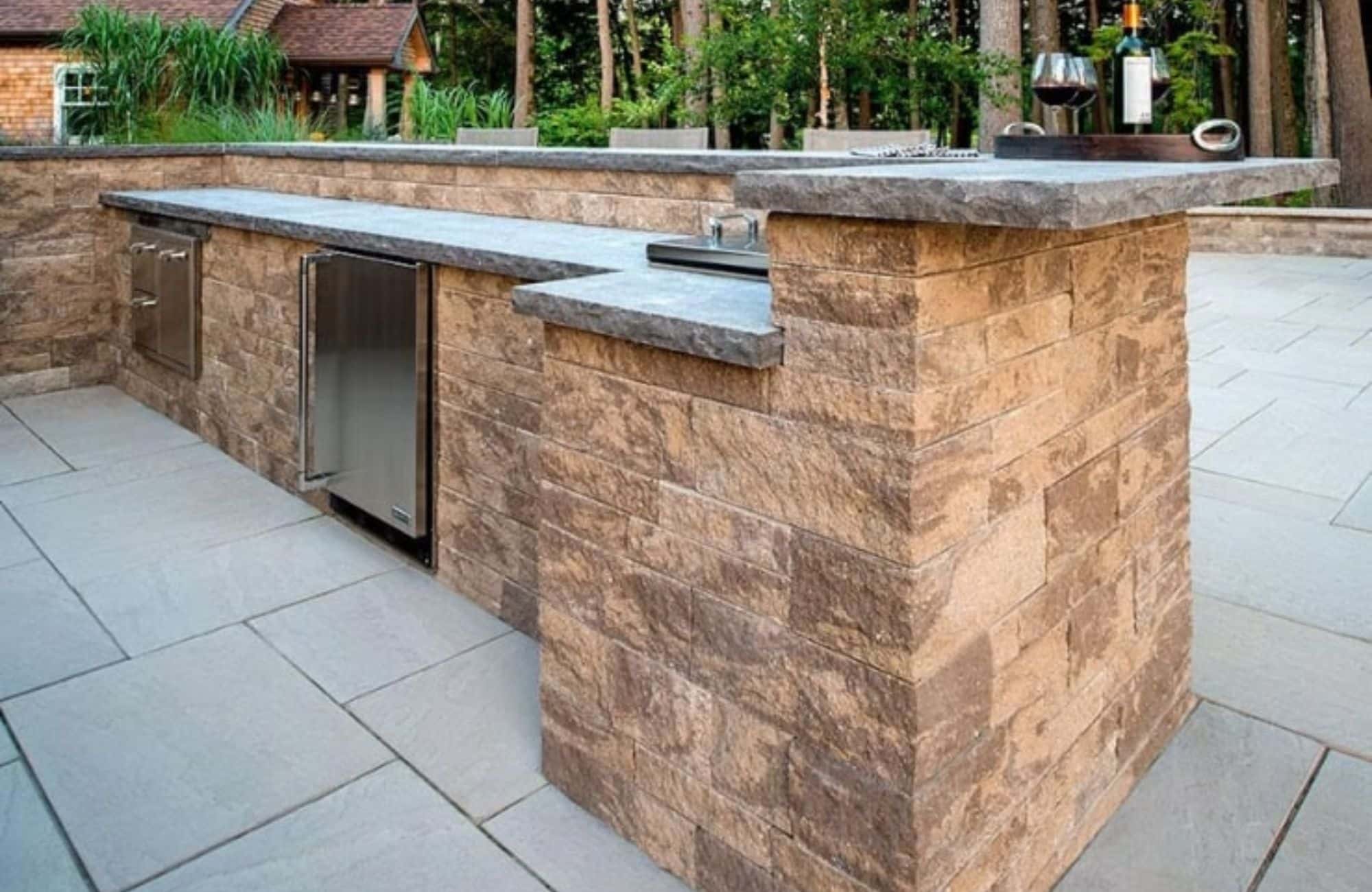
An architectural block retaining wall is one of the most effective ways to manage elevation changes while adding structure and visual appeal to outdoor spaces. These wall systems hold back soil, control erosion, and create usable ground on slopes or uneven terrain. Unlike basic retaining walls that focus only on strength, architectural block walls balance performance with appearance, offering a wide variety of textures, colors, and finishes.
Homeowners, designers, and contractors choose architectural block retaining walls for their durability and adaptability across residential and light commercial projects. When properly designed and installed, these walls provide long-term stability while improving a property’s overall appearance. This guide explains how architectural block retaining walls work, available wall systems, costs, installation requirements, and selection tips.
What Is an Architectural Retaining Wall Block?
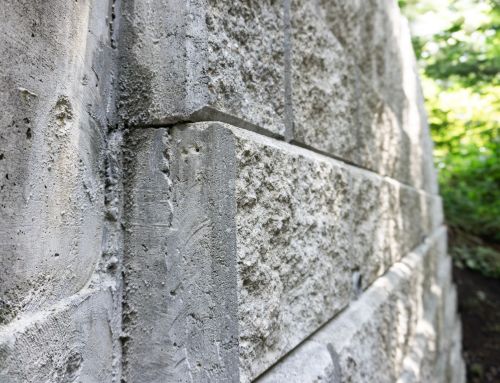
An architectural block retaining wall is a modular wall system made from manufactured concrete blocks designed to retain soil while delivering a finished, decorative appearance. These wall blocks are engineered to interlock or stack in a way that uses their weight, shape, and optional reinforcement to resist the pressure of the ground behind them.
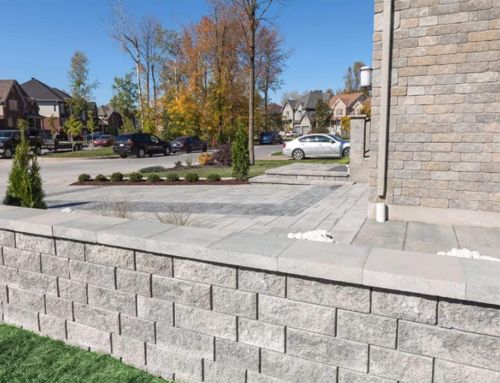
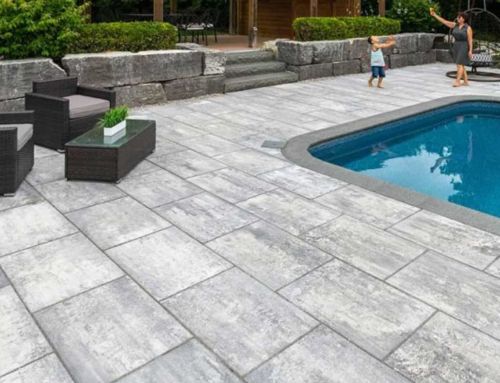
What separates architectural block retaining walls from standard retaining walls is their emphasis on design flexibility. They are built using wall blocks that come in multiple colors, textures, and profiles, allowing the wall to blend with surrounding hardscape, patios, walkways, or buildings. While natural quarried stone is sometimes used as an alternative, architectural block systems offer consistent sizing and predictable performance, which makes planning and construction easier.
How Architectural Block Walls Differ From Standard Retaining Walls
Architectural block walls and standard retaining walls serve the same core purpose, but they differ significantly in design intent and flexibility. Understanding these differences helps property owners and contractors choose the right wall system for both performance and appearance.
| Feature | Architectural Block Retaining Walls | Standard Retaining Walls |
|---|---|---|
| Primary purpose | Combines structural support with visual design | Focused mainly on holding back soil |
| Appearance | Designed to be visible and decorative | Often utilitarian or hidden |
| Common materials | Modular concrete wall blocks with finished textures | Poured concrete or rough stone |
| Design flexibility | Allows curves, corners, terraces, and features | Limited shaping without custom work |
| Installation method | Modular system with consistent block sizes | Often requires custom forming or stone fitting |
| Typical applications | Front yards, patios, seating walls, entry features | Slopes, embankments, and structural support areas |
Types of Architectural Block Retaining Wall Systems
Architectural block retaining walls fall into several categories based on how they resist soil pressure and how much weight or reinforcement they rely on. Understanding these wall systems helps determine which option is appropriate for a specific site and wall height.
Gravity Architectural Block Walls
Gravity architectural block walls rely on the weight of the wall blocks and a slight backward setback to resist soil pressure. This makes them ideal for shorter walls in residential settings. They work best in areas with stable soil and minimal elevation changes.
Reinforced Architectural Block Walls With Geogrid
Reinforced architectural block walls use geogrid layers between wall courses to improve stability as wall height or soil pressure increases. The reinforcement spreads soil weight over a wider area. This makes these systems suitable for taller walls, slopes, heavy loads, or limited space.
Terraced and Stepped Architectural Walls
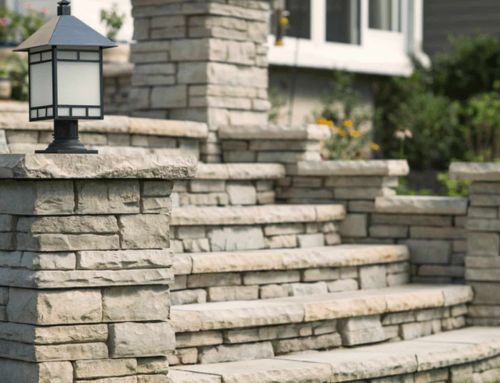
Terraced retaining walls divide a tall wall into shorter stepped sections, reducing pressure while creating usable levels in the landscape. Architectural block wall systems support this design by allowing elevation changes without sacrificing alignment, aesthetics, drainage, or height requirements.
Design Options and Aesthetic Considerations
Architectural block retaining walls are chosen as much for their appearance as for their structural performance. The wide range of design options allows these walls to complement many architectural styles and outdoor layouts.
Choosing the Right Block Finish and Color
Block finish and color strongly influence the look of a retaining wall. Split-face blocks create a natural, stone-like appearance suited for traditional landscapes, while smooth-face blocks work well in modern designs. Neutral colors blend easily with the surrounding ground and hardscape, while darker tones add contrast and definition.
Curves, Corners, and Vertical Features
Architectural block systems support curves and corners using tapered blocks, allowing flexible layouts without complex cutting. Columns, pillars, and seating walls can also be added to increase function and visual interest while maintaining structural stability.
Caps, Coping, and Finishing Details
Caps and coping stones protect the top of the wall from water while creating a clean, finished edge. They enhance durability, improve safety, and visually tie together the wall’s colors and textures, helping extend the wall’s lifespan.
Installation Essentials for Long-Lasting Performance
The performance of an architectural block retaining wall depends heavily on proper installation. Even the most durable wall blocks can fail if foundational steps are overlooked.
- Base Preparation and Leveling Pad: A compacted crushed stone leveling pad creates a stable foundation that evenly supports the wall and prevents settling. Proper base preparation keeps the wall level and structurally sound over time.
- Drainage Requirements for Block Retaining Walls: Effective drainage prevents water buildup and excess pressure behind the wall. Drainage gravel, perforated pipe, and fabric work together to protect the wall and surrounding soil from damage.
- Backfill, Setback, and Wall Alignment: Free-draining backfill supports the wall while allowing water to escape, with clean stone placed directly behind it. A slight setback helps resist soil pressure, and proper alignment during installation maintains long-term stability.
How Tall Can an Architectural Block Retaining Wall Be?
The maximum height of an architectural block retaining wall depends on the wall system, soil conditions, and whether reinforcement is used. Many gravity wall systems can reach heights of three to four feet without reinforcement, while reinforced systems can support significantly taller walls.
Local building codes often require engineering review or special permission for walls above a certain height. Understanding these requirements early helps avoid delays and ensures the wall meets safety standards.
Architectural Block Retaining Wall Cost Breakdown
The cost of an architectural block retaining wall varies based on materials, design complexity, and site conditions. While these walls are often more affordable than custom stone, costs can vary widely.
Before breaking down costs, it helps to understand that pricing reflects more than just wall blocks. Installation quality, drainage systems, and site preparation all influence the final investment.
Material Costs vs. Installation Costs
Material costs include wall blocks, caps, drainage stone, fabric, and reinforcement materials if needed. Architectural block retaining wall blocks are priced by unit, with variations based on size, texture, and color.
Installation costs often exceed material costs, especially for taller or more complex walls. Labor, excavation, base preparation, and access challenges all contribute to the overall cost per linear foot.
What Factors Increase or Reduce Total Cost
Several factors influence the final cost of an architectural block retaining wall. Taller walls require more material and may need geogrid reinforcement, increasing both material and labor costs. Curves, corners, and terraces add complexity and time.
Site access also plays a role. Limited access can require additional equipment or manual labor, while stable soil conditions can reduce preparation work. Understanding these factors helps plan budgets more accurately.
Common Mistakes to Avoid With Architectural Block Walls
Many problems with architectural block retaining walls come from planning or installation mistakes that are easy to avoid. Being aware of these issues helps protect the wall’s performance and long-term durability.
- Failing to install proper drainage, which allows water pressure to build up behind the wall and cause movement or collapse.
- Using the wrong base material or skipping proper compaction can lead to settling and loss of alignment over time.
- Ignoring wall height limitations, which can result in structural failure without reinforcement.
- Overlooking local permission or code requirements can potentially cause delays, fines, or costly corrective work.
When to Consult a Professional or Landscape Supplier
Architectural block retaining walls involve structural, drainage, and design considerations that go beyond simple landscaping tasks. Consulting with professionals or experienced suppliers helps ensure the right wall system is selected for the project.
Expert guidance can prevent costly mistakes, especially for taller walls or challenging site conditions. Working with knowledgeable contractors and suppliers also simplifies material selection and installation planning.
Conclusion
Architectural block retaining walls provide a durable and visually appealing way to manage elevation changes, control soil, and create functional outdoor spaces. Understanding wall types, height limits, drainage needs, and cost factors helps homeowners and contractors plan walls that perform well and last.
At Old Station Outdoor & Landscape Supply, we help homeowners and contractors select the right architectural block retaining wall, from materials to layout and installation guidance. Contact us to discuss your project, review block options, and get expert support tailored to your site.
FAQs
What is an architectural block retaining wall used for?
Architectural block retaining walls are used to hold back soil while providing a finished, decorative appearance. They are commonly installed to manage slopes, create level outdoor spaces, and define landscape features. These walls are suitable for both functional and aesthetic applications.
Do architectural block retaining walls need geogrid reinforcement?
Not all architectural block retaining walls require geogrid. Short gravity walls often rely on block weight alone, while taller walls or those built on slopes typically require reinforcement. The need for geogrid depends on wall height, soil conditions, and design loads.
How long do architectural block retaining walls last?
When properly installed, architectural block retaining walls can last several decades. High-quality wall blocks are designed to withstand weather exposure and ground pressure. Proper drainage and base preparation significantly extend the lifespan of the wall.
Are architectural block retaining walls suitable for DIY projects?
Smaller architectural block retaining walls can be DIY-friendly for experienced homeowners. Larger or reinforced walls usually require professional design and installation. Understanding site conditions and local requirements is critical before starting a project.