
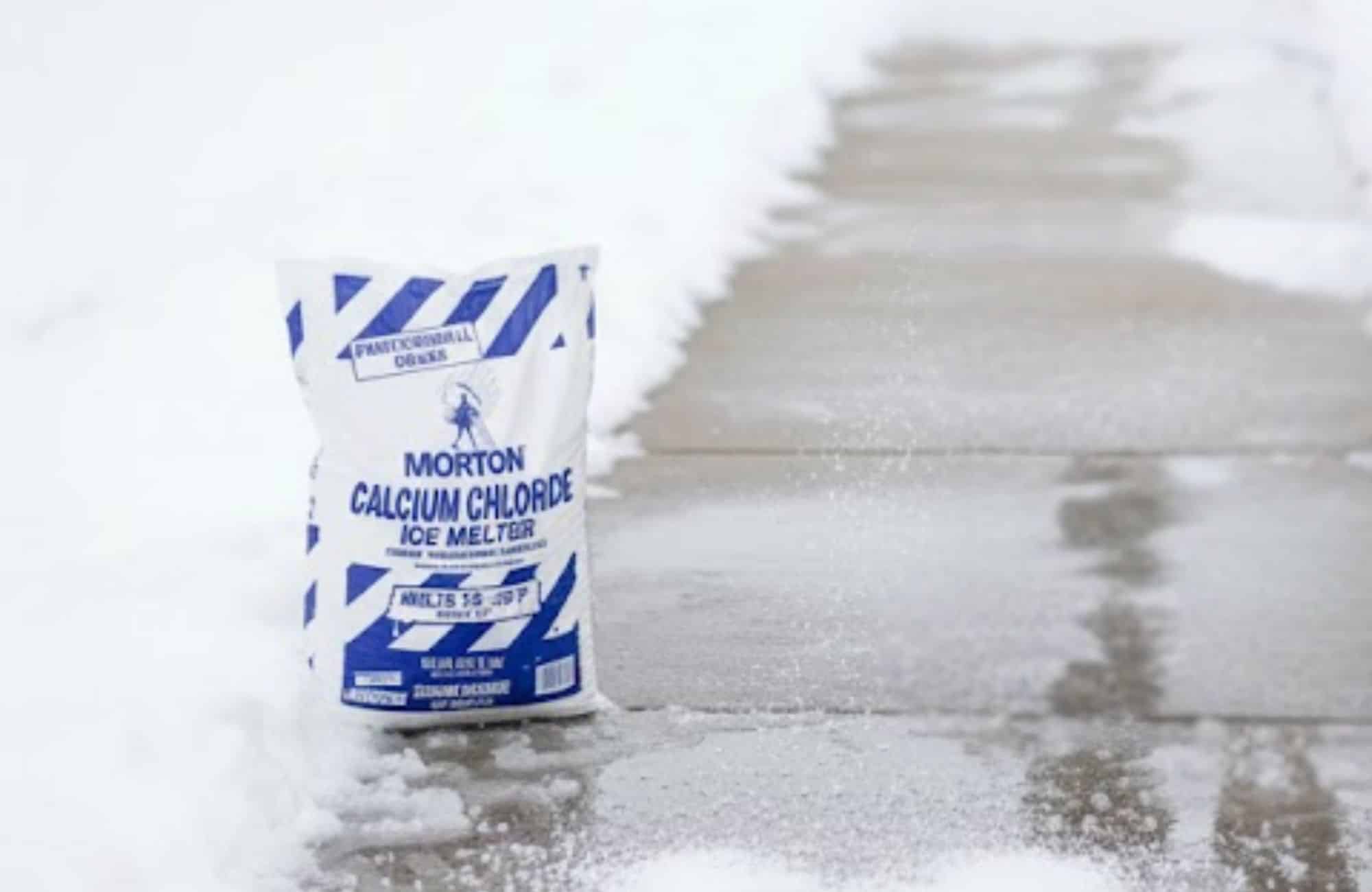
Calcium chloride ice melt is a powerful de-icing product designed to dissolve snow and ice quickly, even in extremely cold temperatures. If you’ve ever wondered what is calcium chloride ice melt and why so many homeowners and property managers depend on it, the answer is simple: it works faster and at lower temperatures than traditional rock salt. Because it continues melting ice when many other products stop working, it’s a go-to choice for anyone living in areas with harsh winter weather. Chances are, you’ve already seen or used calcium chloride without realizing how effective it truly is.
Understanding what calcium chloride ice melt is and how it works helps you choose the right product for your property. This guide covers its chemistry, benefits, drawbacks, and practical application so you can use it safely and effectively. At Old Station Outdoor & Landscape Supply, we offer reliable ice melt products and expert guidance to help homeowners and contractors make the best choice for winter safety.
How Calcium Chloride Melts Ice: The Science Explained
Calcium chloride works differently from most common ice melts, and that’s why it performs better in extreme cold. While rock salt only lowers the freezing point of water, calcium chloride goes a step further by generating heat as it absorbs moisture. This heat speeds up the melting process dramatically. Even when temperatures drop far below zero, calcium chloride continues working because of its unique chemical reaction.
At its core, calcium chloride is hygroscopic. This means it naturally pulls moisture from the air, snow, or ice. Once it absorbs water, it forms a brine that spreads across the surface and begins breaking down ice. At the same time, the compound undergoes an exothermic reaction, releasing heat. This combination is what makes calcium chloride work so quickly compared to alternatives.
Below is a simple breakdown of calcium chloride’s effectiveness at various temperatures:
Temperature Performance Table
| Temperature | Effectiveness | Notes |
|---|---|---|
| 32°F to 0°F | Very effective | Faster than rock salt |
| 0°F to -25°F | Highly effective | One of the few products that works this low |
| Below -25°F | Reduced melt | Still active but slower |
This ability to generate heat and create brine quickly explains why calcium chloride often outperforms other ice melt products, especially when temperatures plummet.
Benefits of Calcium Chloride Ice Melt
Calcium chloride ice melt is popular for a reason. It delivers fast melting power in conditions that shut down many other products, making it especially useful for high-traffic walkways, driveways, and commercial properties that must maintain safe surfaces. Its low-temperature performance is one of its biggest strengths. While rock salt stops working around 20°F, calcium chloride continues melting ice down to about -25°F and begins working almost immediately. Because it’s more efficient, users often need less product per application, which helps reduce overall seasonal costs.
It also performs well in demanding winter situations. Calcium chloride can melt thick layers of ice, break through compacted snow, and restore traction quickly. This makes it a reliable option for driveways, sidewalks, steps, parking lots, and loading zones where safety and quick results matter most.
Drawbacks and Safety Considerations
Although calcium chloride performs well, it comes with limitations you should understand before using it. These points will help you use the product responsibly and reduce the chance of surface damage or safety issues.
- Calcium chloride can cause corrosion on metal fixtures, railings, and unprotected metal surfaces, especially when over-applied.
- New concrete, typically less than one year old, is more vulnerable to damage from any chloride-based ice melt, including calcium chloride.
- Excessive use of low-strength concrete can lead to scaling, flaking, or surface wear over time.
- Snowmelt runoff containing calcium chloride may affect soil quality and plant health if large amounts accumulate in landscaped areas.
- Calcium chloride is not fully pet-safe; direct contact can irritate paws, and ingestion may cause digestive issues.
These risks don’t mean you should avoid calcium chloride entirely, but they highlight why proper application, cleanup, and precautions matter.
When to Use Calcium Chloride Ice Melt
Choosing the right moment to apply calcium chloride makes a noticeable difference in how well it performs. Although it works in many winter situations, it’s especially effective in conditions where other products struggle. It’s ideal when temperatures fall below freezing and particularly when they drop below 10°F. Rock salt loses power quickly in cold weather, but calcium chloride continues melting ice in extreme cold. It works well on walkways, driveways, stairs, and high-traffic commercial areas, and it’s especially helpful during freezing rain or when compacted snow has turned into a slick layer of ice.
Calcium chloride is also a strong option when fast results are important. Whether you’re preparing for business hours, school openings, or ensuring residential safety, it begins melting ice within minutes. This speed makes it one of the most reliable choices for restoring traction and keeping surfaces safe in a short amount of time.
How to Apply Calcium Chloride Ice Melt (Step-by-Step Guide)
Before applying the product, check the surface you’re treating. New concrete should never have calcium chloride applied, and decorative natural stone surfaces may require more careful handling. It’s also a good idea to wear gloves, since calcium chloride can irritate the skin. Once you’re ready, follow the steps below to ensure even coverage and effective melting.
Here’s a straightforward process for applying calcium chloride ice melt safely and effectively:
- Spread the product evenly across the surface, avoiding heavy piles.
- Follow general application ranges to avoid using too much; most driveways only need a light coating.
- Use a spreader for larger areas such as parking lots or long walkways.
- For pre-treatment, apply before snowfall to prevent the first layer of ice from bonding.
- If applying after snowfall, wait until snow is removed so the product reaches the ice directly.
- Limit use near landscaped areas to reduce chloride runoff into soil.
- After melting is complete, remove slush to prevent refreezing and to protect surfaces.
This step-by-step method helps you get the most from calcium chloride while reducing potential risks around your property.
Calcium Chloride vs Other Ice Melt Products
Choosing the right ice melt often comes down to comparing performance, safety, and cost. Calcium chloride ranks high in speed and low-temperature performance, but it may not be the right choice for every situation. Understanding how it compares to rock salt, magnesium chloride, and pet-safe blends helps you make informed decisions.
Calcium chloride works faster than rock salt and remains effective at far lower temperatures. Rock salt is inexpensive, but it struggles to melt ice once temperatures fall below about 20°F. Magnesium chloride offers good melting power with a lower risk to vegetation and surfaces, but it is more expensive. Pet-safe blends are gentler on paws and surfaces but melt ice more slowly and may not be suitable during extreme cold.
Below is a comparison overview:
| Product | Lowest Temp | Speed | Concrete Safety | Cost |
|---|---|---|---|---|
| Calcium chloride | -25°F | Very fast | Moderate risk | Mid-high |
| Rock salt | 20°F | Slow | Higher risk | Low |
| Magnesium chloride | -10°F | Medium | Lower risk | High |
| Pet-safe blends | Varies | Slow | Lowest risk | High |
This comparison shows that calcium chloride is the strongest option for fast melting and extreme cold, but other products may be better in mild conditions or areas with sensitive surfaces.
Surface Safety: Concrete, Asphalt, Pavers, and Natural Stone
Different surfaces respond differently to ice melt products, and calcium chloride can be safe when used properly. Understanding its limitations helps prevent long-term damage, especially on decorative stone, brick pavers, or newly poured concrete. Mature, high-strength concrete generally handles calcium chloride well, but new concrete less than a year old should never be treated with it. Overuse can also cause scaling or surface flaking. Asphalt typically tolerates calcium chloride, though heavy applications may temporarily soften certain mixes.
Pavers and natural stone need more caution because some stones are porous and may absorb chlorides, leading to discoloration. Pavers with polymeric sand joints can also be affected if runoff enters the joints repeatedly. Using a conservative amount, applying it evenly, and cleaning up melted slush helps protect these surfaces while still providing strong ice control.
Environmental Impact and How to Minimize Damage
Like most chloride-based ice melts, calcium chloride can affect soil, plants, and nearby water systems if used in excess. Understanding how the product interacts with the environment helps you balance performance with safety, especially around landscaped areas or natural drainage paths. When snow and ice melt, the dissolved chloride moves into the surrounding soil, which can alter moisture levels and increase salt concentration. Over time, this may impact the health of lawns, shrubs, or garden beds, particularly in areas that receive repeated runoff.
These risks can be minimized with careful application. Use only the amount needed, avoid spreading product directly onto grass or soil, and remove slush promptly to reduce chloride buildup. In sensitive zones, such as garden edges or heavily landscaped areas, alternatives like magnesium chloride or pet-safe ice melts may be a better choice because they carry a lower environmental impact.
Conclusion
Calcium chloride ice melt is one of the most effective options for treating ice in extreme cold. Its ability to absorb moisture, form brine, and generate heat allows it to work quickly in conditions where other products fail. Although it carries some risks, such as corrosion and potential surface damage, these can be managed with proper application and responsible use, making it a dependable choice for winter safety.
At Old Station Outdoor & Landscape Supply, we stock high-quality ice melt products to help homeowners, contractors, and property managers keep their surfaces safe throughout the winter. If you need guidance choosing the right product or want recommendations for your specific surface type, our team is here to help. Contact us today for expert support and reliable winter solutions.
FAQs
What happens if you put too much calcium chloride in concrete?
If you put too much calcium chloride in concrete, it can accelerate the curing process too quickly and weaken long-term strength. Excessive amounts may also increase the risk of surface scaling, discoloration, or corrosion of embedded metal reinforcement.
How to use calcium chloride ice melt?
To use calcium chloride ice melt, spread a light, even layer over the icy surface and allow it to dissolve the ice by creating heat and brine. Remove slush once melting begins to prevent refreezing and reduce chloride buildup.
How to apply calcium chloride to a driveway?
To apply calcium chloride to a driveway, distribute it evenly using a handheld spreader or by hand while wearing gloves. Avoid heavy piles, and focus on thin, consistent coverage to melt ice quickly without damaging the surface.
Is calcium chloride ice melt harmful?
Calcium chloride ice melt can be harmful if overused or handled incorrectly, especially to vegetation, concrete, and certain metals. It may also irritate skin or pet paws, so proper application and cleanup are important for safe use.